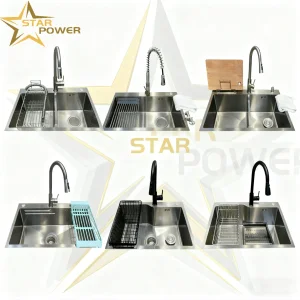
Explore our premium architectural designs, featuring composite granite, quartz stone, and heavy-duty SUS304 smart workstation kitchen sinks.
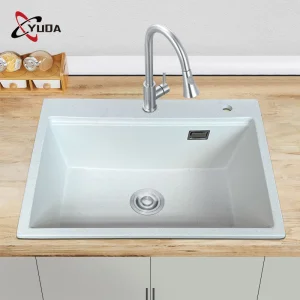
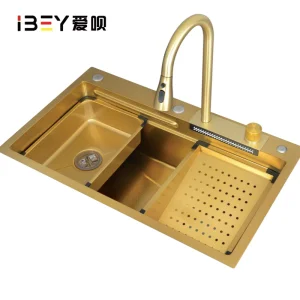
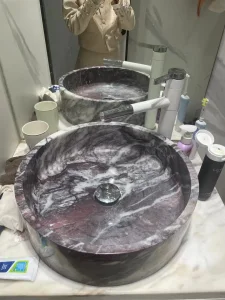
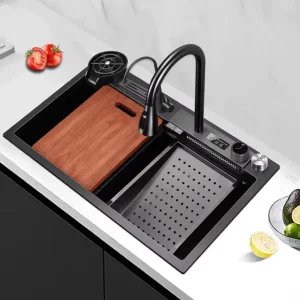
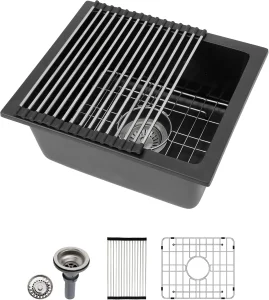
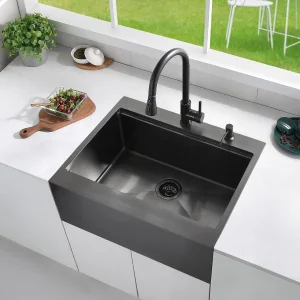
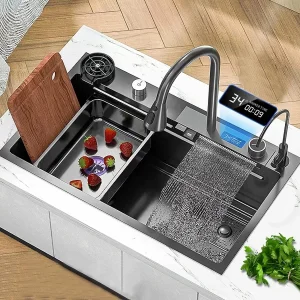
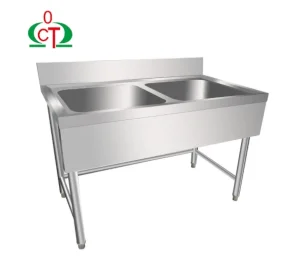
Analyzing the shift from utilitarian sanitary basins to integrated, high-performance architectural design centerpieces in modern properties.
In contemporary interior architecture, the modern kitchen is no longer defined merely as a culinary workspace; it has transitioned into the social and aesthetic focal point of residential and commercial spaces. Central to this transition is the kitchen sink. Traditional, deep-seated sinks are rapidly being replaced by "sleek" configurations—characterized by minimal radiuses (R0 to R10), low-profile rims, integrated workstation ledges, and advanced surface finishes such as physical vapor deposition (PVD) and hydrophobic nano-coatings.
From an industrial perspective, the global market size for premium kitchen fixtures has experienced a Compound Annual Growth Rate (CAGR) of 6.2% over the last five years. B2B procurement data shows that developers, hoteliers, and residential design-builders are increasingly specifying composite quartz, granite marble blends, and gauge-16 stainless steel sinks over entry-level porcelain. This architectural demand is driven by the spatial economics of modern urban housing, where space optimization requires multifunctional fixtures, and aesthetic trends call for visual continuity across open-concept layouts.
SEO Insight & Information Gain: When sourcing kitchen sinks, B2B buyers prioritize structural material thickness, noise attenuation technology, and international testing compliance (such as CUPC and CE). A high-performance sleek kitchen sink must resolve two user friction points simultaneously: maximum volumetric workspace capacity and complete resistance to long-term wear, scratches, and bacterial buildup.
Industrial Thickness Steel
Quartz-to-Resin Ratio
Acoustic Dampening Level
Lead-Free SUS304 Standard
A comparative structural analysis of modern kitchen sink substrates, surface treatments, and durability metrics.
To design a kitchen sink that maintains its structural integrity and aesthetic value under thermal shock and acidic exposure, engineers must balance chemical stability with mechanical strength. Today's commercial markets are led by three major material families: premium SUS304 Stainless Steel, Composite Granite/Quartz Stone, and Glazed Ceramic/Fireclay. Each material serves specific operational profiles depending on the target installation scenario.
| Material Family | Standard Thickness/Gauge | Primary Finish Tech | Thermal Shock Threshold | Ideal Application |
|---|---|---|---|---|
| SUS304 Stainless Steel | 16-Gauge to 18-Gauge (1.5mm - 1.2mm) | PVD Nano-Coating / Satin Brushed | Up to 300°C | High-traffic kitchens, restaurants, smart apartments |
| Composite Quartz/Granite | 80% Quartz Sand + 20% Acrylic Resin | Molded matte color-through | Up to 280°C | High-end residential villas, modern Nordic designs |
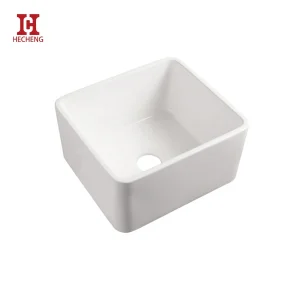
| Ceramic & Fireclay | Solid thick-wall structure | High-temperature vitreous glaze | Up to 200°C | Farmhouse renovations, rustic custom estates |
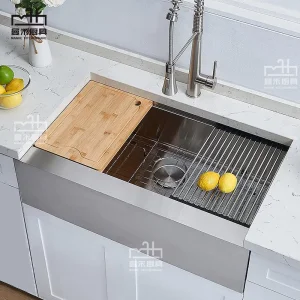
In high-traffic environments, physical vapor deposition (PVD) represents a major design improvement. Over a substrate of high-nickel, lead-free 16-gauge SUS304 stainless steel, an ultra-thin layer of metallic compound is bonded at the molecular level. This creates color profiles such as gunmetal grey, matte black, and warm gold while increasing surface hardness by up to three times compared to raw steel. When integrated with dynamic digital displays and smart waterfall faucets, these systems create a highly efficient workstation.
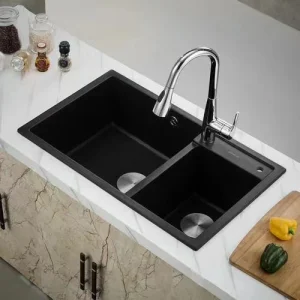
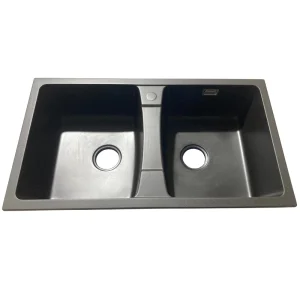
For high-end residential projects seeking organic textures, composite stone offers structural strength and sound absorption. Formulated by combining premium natural quartz sand with highly stable acrylic resins, these sinks are molded under high pressure to remove air pockets. The resulting surface is completely non-porous, highly resistant to staining from organic acids, and naturally dampens the vibration of garbage disposals and running water.
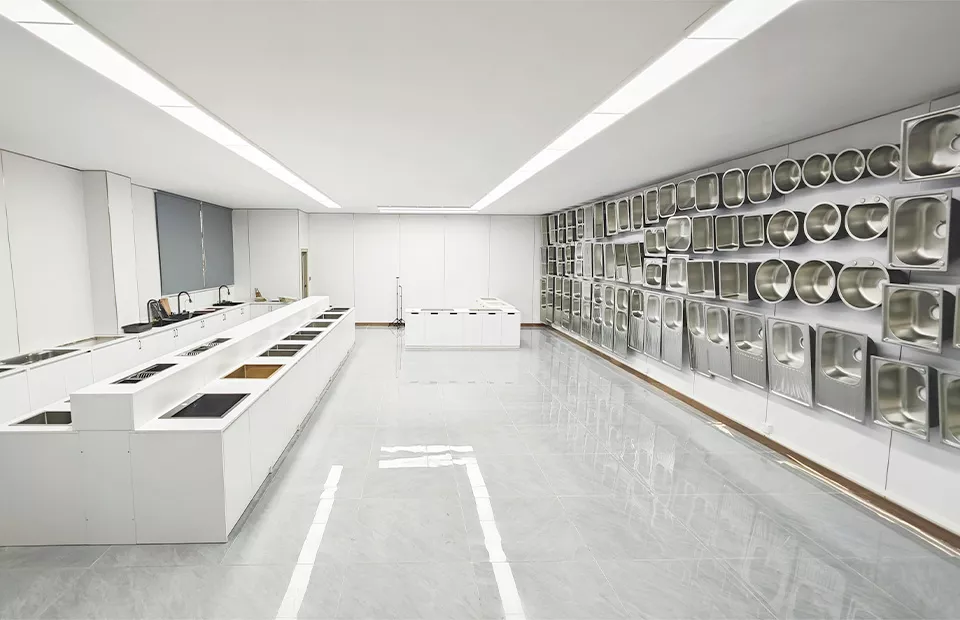
Guangzhou Nura Kitchen Co., Ltd. is a leading manufacturer and supplier specializing in innovative kitchen appliances and cooking solutions. Located in Guangzhou, Guangdong Province, the company operates modern production facilities equipped with advanced assembly lines, research and development centers, and quality inspection systems. Nura Kitchen focuses on creating durable, user-friendly appliances designed to meet the needs of modern households, offices, and commercial kitchens.
The company's main business includes the production and distribution of electric cooking pots, electric lunch boxes, electric kettles, water heating cups, and multifunctional kitchen devices. These products are designed to improve cooking efficiency, save time, and provide convenient solutions for daily meal preparation. Nura Kitchen also offers customized solutions for bulk buyers and international distributors, ensuring high-quality products and reliable service for a wide range of customers.
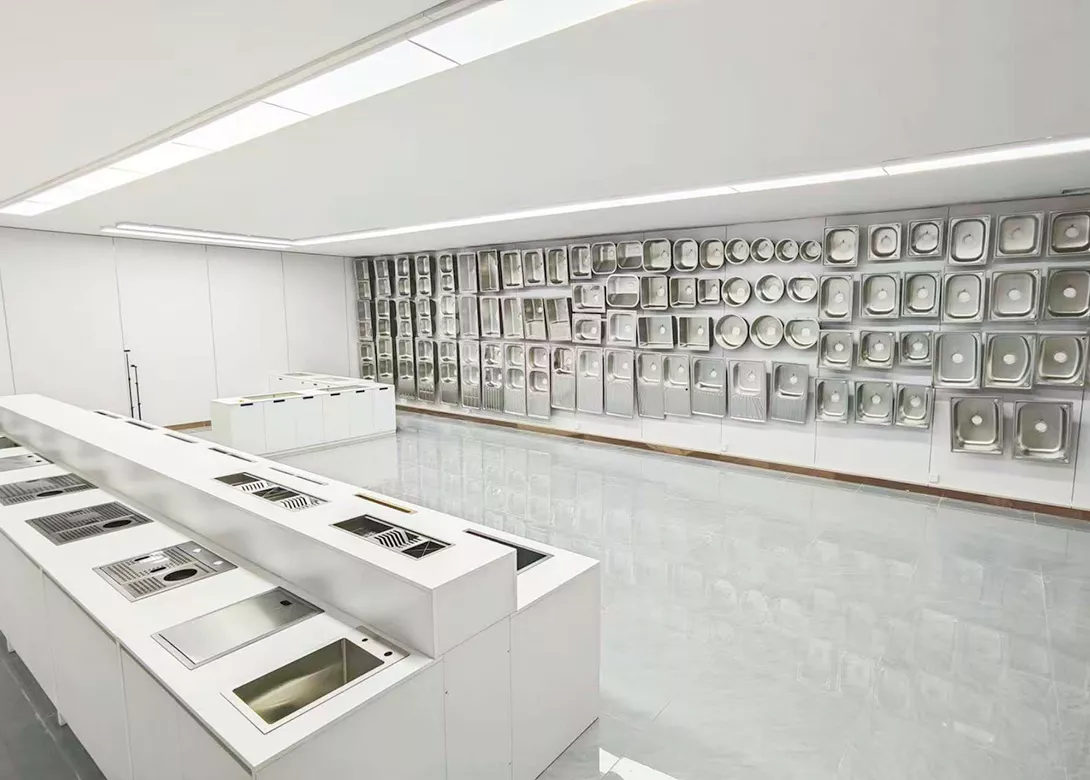
Guangzhou Nura Kitchen employs a skilled team of engineers, product designers, quality control specialists, and sales professionals. The company emphasizes strict quality management, continuous innovation, and customer-oriented service. By combining practical designs with advanced technology, Nura Kitchen delivers kitchen appliances that enhance convenience, efficiency, and safety in cooking. Committed to excellence, Guangzhou Nura Kitchen Co., Ltd. continues to expand its reach in both domestic and international markets, providing reliable, smart, and innovative kitchen solutions.
By leveraging its manufacturing infrastructure in Guangdong, Nura Kitchen offers commercial buyers competitive lead times, reliable quality control, and robust packaging solutions that withstand long-distance sea freight and domestic transport.
Why regional concentration in Guangdong province allows us to deliver high-quality products with competitive pricing.
The concentration of kitchen sink manufacturing in Southern China, particularly within the Guangdong industrial corridor, provides significant operational advantages. This clustering of component suppliers, tooling designers, polishing operations, and packaging manufacturers creates a highly efficient production ecosystem. For international importers, this industrial concentration offers three key benefits:
Moving from a CAD concept drawing to a physical mold can be slow in other regions. In Guangdong, advanced CNC mold shops design, test, and refine hydraulic press tooling quickly, reducing typical B2B prototyping phases by 45%.
Sinks undergo testing at every step of production. Stainless steel pieces are checked for wall thickness after deep-drawing, and composite models undergo thermal cycles and impact testing to prevent micro-cracks before packing.
Proximity to Shenzhen and Guangzhou ports minimizes inland transit costs. B2B buyers benefit from consolidated shipping arrangements, export customs handling, and secure container packing that reduces transport damage.
Kitchen specifications vary by region based on building regulations, standard counter dimensions, and local kitchen habits:
Looking ahead at how smart kitchens, conservation efforts, and eco-friendly manufacturing are shaping the industry.
The B2B kitchen fixture industry is adapting to two key developments: smart workspace integration and sustainable manufacturing. The standard sink is evolving into a controlled work hub. Modern models feature built-in digital temperature displays, dynamic waterfall rinsers, touchless sensors, and integrated glass washers. These smart elements improve water efficiency by targeting specific areas, reducing average household water use during meal prep by up to 30%.
At the same time, environmental concerns are changing manufacturing processes. Leading factories are implementing closed-loop water filtration systems in their polishing stages and using recycled steel blocks to manufacture stainless steel products. For developers working on LEED-certified buildings, specifying green-certified, sustainably produced kitchen fixtures is an important step in meeting modern environmental criteria.
Detailed technical answers for procurement managers, project engineers, and global distributors.
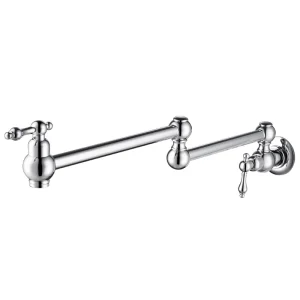
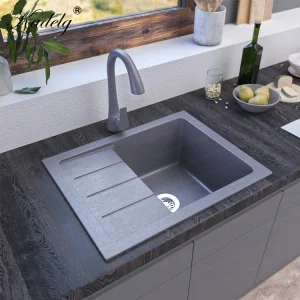
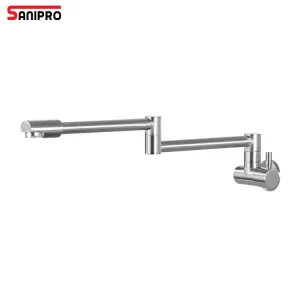
Complete your project layouts with commercial pot-filler faucets, double-bowl granite units, ceramic apron farm sinks, and modular racks.
 Nura Kitchen