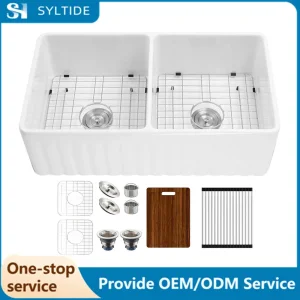
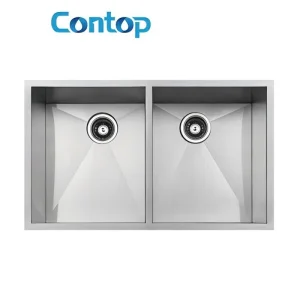
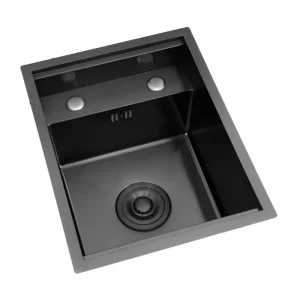
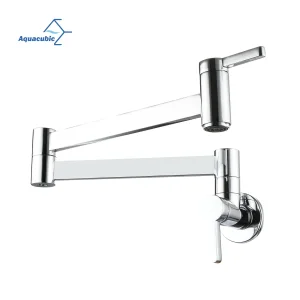
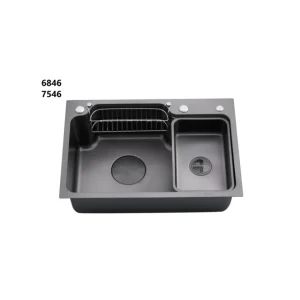
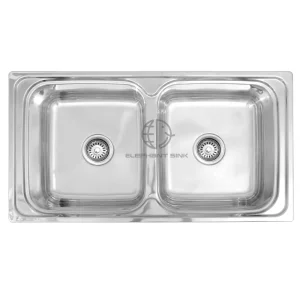
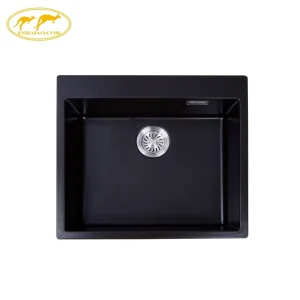
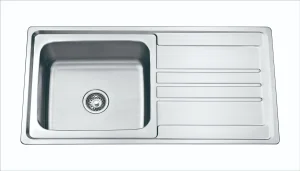
Explore our premium selection of precision-engineered farmhouse sinks, space-saving smart kitchen modules, and solid brass pot filler faucets. Each is built to accommodate standard waste disposal flanges, guaranteeing exceptional mechanical stability and durability under heavy structural loads.
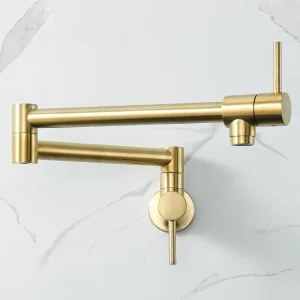
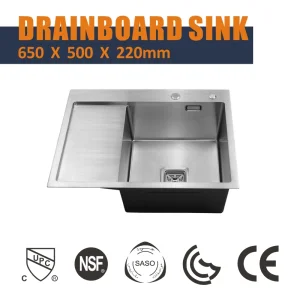
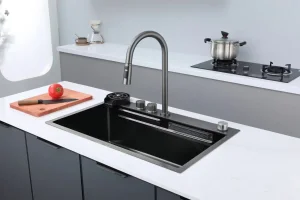
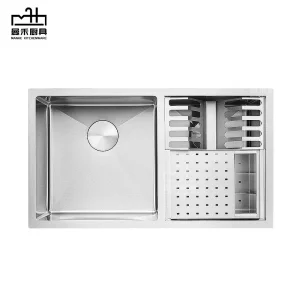
In modern residential architecture and commercial food service configurations, the humble kitchen sink is no longer viewed as an isolated basin. Instead, it has transitioned into a highly complex, integrated kitchen workstation that serves as the nexus of food preparation and waste management. In particular, the integration of a food waste disposer (FWD) directly with a premium stainless steel or composite granite sink requires a deep understanding of structural load dynamics, vibration resonance, sound damping, and microchemical water-handling compliance.
For global procurement officers, distributors, and real estate developers, finding a reliable manufacturer in China involves looking beyond low-cost labor. True manufacturing leaders provide significant information gain by optimizing material science, engineering robust flange connections, and complying with stringent regional plumbing and electrical guidelines. This whitepaper outlines the key technical factors to consider when sourcing integrated sink and waste disposal setups from premium manufacturers in China.
Precision-engineered mountings prevent sink deck deformation caused by 3/4 HP and 1 HP waste disposer motors. They also eliminate long-term weld fatigue and water leaks at critical joints.
High-density sound-damping pads (up to 3.5mm thick) and composite undersink coatings absorb vibration energy, lowering noise levels by up to 12 decibels during operations.
Designed to meet international compliance frameworks, including ASME A112.19.3, cUPC for North America, CE certifications, and strict local municipal building codes.
Selecting the correct sink material and gauge is crucial for handling the dynamic forces of a food waste disposer. An FWD generates rapid rotational torque and high-frequency vibrations. If paired with a thin or flexible sink, it will cause structural bowing, accelerate seam wear, and amplify noise. To prevent these issues, we recommend analyzing the physical properties of our premium materials in the technical matrix below.
| Material Class | Common Gauges / Thickness | Vibration Attenuation | Tensile Strength | Best Use Cases |
|---|---|---|---|---|
| SUS304 Stainless Steel | 16 Gauge (1.5mm) / 18 Gauge (1.2mm) | Excellent (when paired with 3mm rubber pads) | 505 MPa | Commercial kitchens, high-use residential apartments, and smart kitchen integrations. |
| SUS201 Stainless Steel | 18 Gauge (1.2mm) / 20 Gauge (0.9mm) | Moderate | 620 MPa (stiff, but lower corrosion resistance) | Budget-conscious developments, regional markets with dry environments. |
| Fine Fireclay (Ceramic) | 0.75" to 1.25" wall thickness | Outstanding (high mass natural dampening) | 35-50 MPa (brittle under direct point impacts) | Luxury classic custom estates, farmhouse kitchen retrofits, high-end designs. |
| Granite Composite | 80% Granite quartz + 20% Acrylic resin | Superior (excellent natural dampening) | 65 MPa | Scratch-resistant surfaces, high-traffic modern kitchens, and direct-mount disposers. |
In the commercial supply chain, sheet metal thickness is measured in gauge units. The lower the gauge number, the thicker the stainless steel. A 16-gauge stainless steel sink is approximately 1.5mm thick, providing 25% more material mass than an 18-gauge sink (approx. 1.2mm thick). This extra mass prevents local bending when securing a 3-bolt or Quick-Lock garbage disposer mounting flange. Over years of use, a heavier gauge prevents micro-cracks from forming around the sink drain opening.
Guangzhou Nura Kitchen Co., Ltd. is a leading manufacturer and supplier specializing in innovative kitchen appliances and cooking solutions. Located in Guangzhou, Guangdong Province, the company operates modern production facilities equipped with advanced assembly lines, research and development centers, and quality inspection systems. Nura Kitchen focuses on creating durable, user-friendly appliances designed to meet the needs of modern households, offices, and commercial kitchens.
The company’s main business includes the production and distribution of electric cooking pots, electric lunch boxes, electric kettles, water heating cups, and multifunctional kitchen devices. These products are designed to improve cooking efficiency, save time, and provide convenient solutions for daily meal preparation. Nura Kitchen also offers customized solutions for bulk buyers and international distributors, ensuring high-quality products and reliable service for a wide range of customers.
By utilizing a skilled team of engineers, product designers, and quality control specialists, Guangzhou Nura Kitchen ensures strict quality management and continuous innovation. By combining practical designs with advanced technology, Nura Kitchen delivers solutions that enhance convenience, efficiency, and safety. Committed to excellence, they continue to expand in both domestic and international markets, providing reliable, smart, and innovative kitchen solutions that integrate perfectly with modern plumbing fixtures.
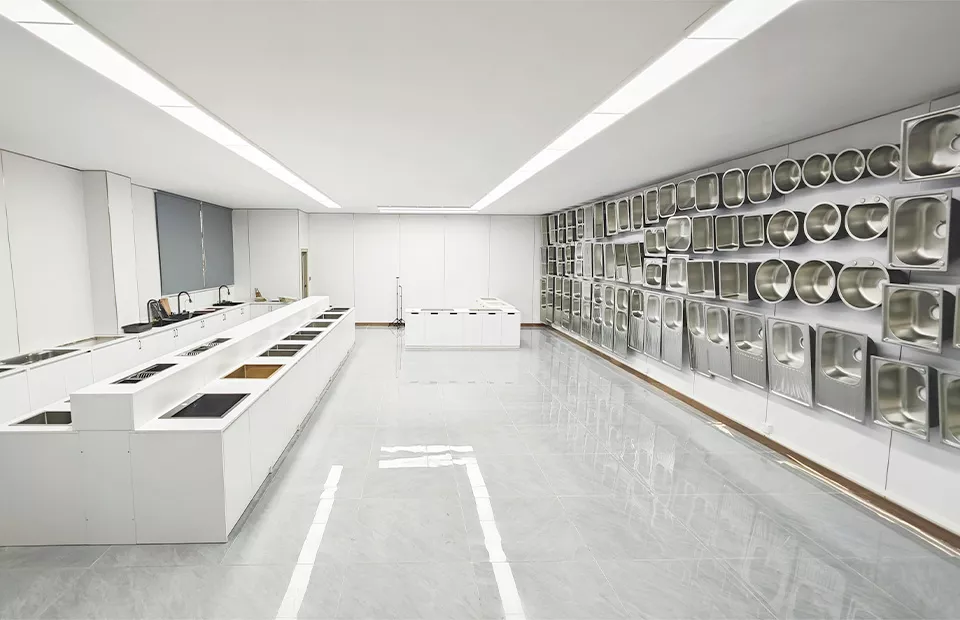
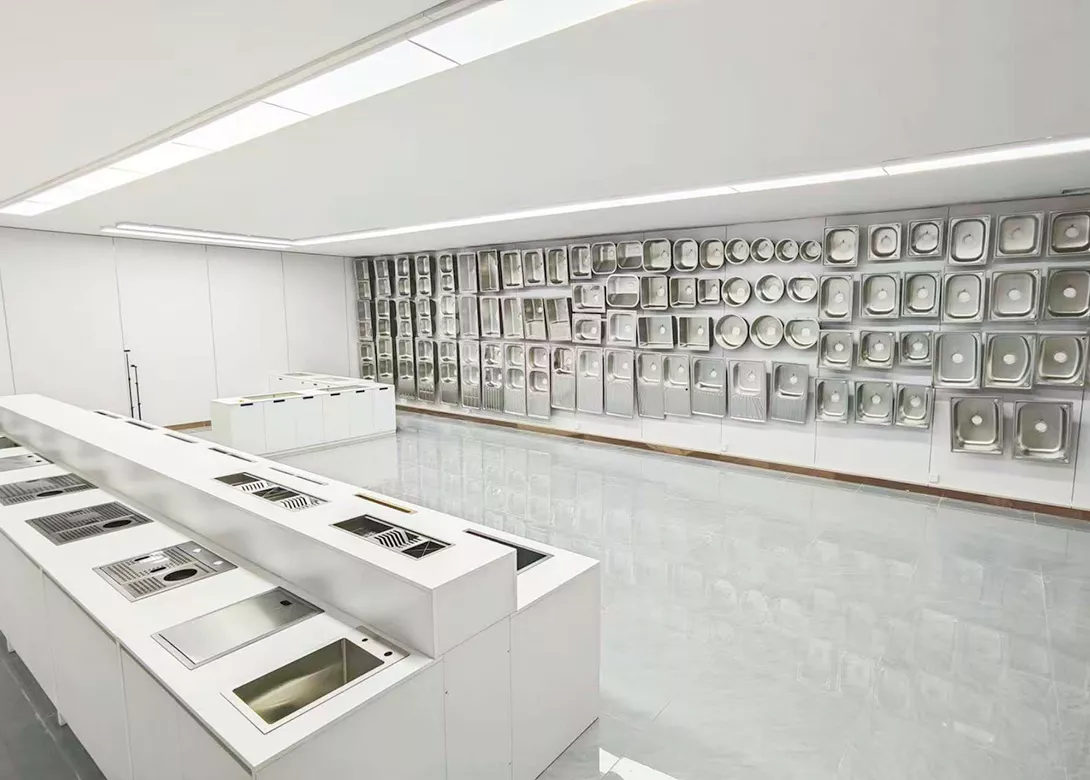
Through collaborative engineering, our manufacturing processes integrate precision-molded sinks with smart kitchen appliances. We design our stainless steel and fireclay models with reinforced, sound-insulated mounting decks. This helps manage the torque and vibration of integrated food waste disposers, keeping operational sound levels within residential limits.
Furthermore, our team handles custom engineering requests (OEM/ODM). We adjust drain sizes and locations (such as rear-offset drains), construct heavy-duty support brackets, and design custom plumbing adapters. This ensures quick, tool-free installation for plumbing technicians worldwide.
The manufacturing hub of Guangdong Province offers unique logistics and production advantages for plumbing and home appliance buyers. By sourcing from this integrated industrial cluster, international buyers benefit from lower production costs and shorter turnaround times.
Guangdong has direct access to high-grade steel producers like Baosteel and Tisco. This guarantees a steady supply of premium SUS304 steel sheets with consistent nickel and chromium levels, preventing rust and corrosion in wet environments.
Our factories utilize advanced surface treatments, including physical vapor deposition (PVD) nano-coatings and laser-etched honeycomb patterns. These technologies create scratch-resistant, anti-bacterial finishes that outlast traditional brushed steel.
Located near major global ports like Guangzhou, Shenzhen, and Hong Kong, our facility ensures lower inland transportation costs and faster custom clearances, keeping containerized shipments on schedule.
Global B2B procurement requires strict adherence to localized construction, safety, and environmental standards. We ensure our product lines meet the certifications required for frictionless market entry and reliable field performance.
For the United States and Canada, our sinks comply with ASME A112.19.3 / CSA B45.4 standards. Drain sizes are set to exactly 3.5 inches (90mm), allowing direct connection to standard InSinkErator, Waste King, or Moen disposer flanges without the need for custom adapters.
Our products meet the requirements of the EN 13310 standard for kitchen sinks. They undergo testing for load capacity, thermal shock resistance, and drainage efficiency. Integrated waste disposal units carry CE, GS, and RoHS certifications, ensuring compliance with European safety regulations.
We modify our plumbing connections to suit British standard piping. For electrical safety, we build waste disposal motors to run on 220V-240V, 50Hz, featuring air switch systems to keep high-voltage circuits away from water sources.
Sinks exported to Australia and New Zealand are constructed to meet AS/NZS 3500 specifications. They feature secure, leak-proof designs and materials that stand up to the region's unique water pressure profiles.
The global kitchen fixture market is moving toward integrated, smart multi-functional workspaces. Keeping up with these trends helps distributors and retailers maintain their competitive edge in high-end developments.
Modern setups feature digital control panels built into the sink ledge or faucet body. Users can run the waste disposer, monitor water temperature, and adjust flow rates from a single interface.
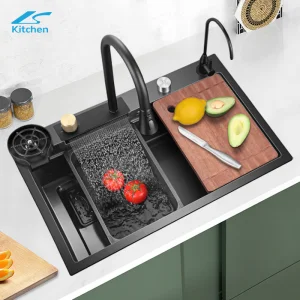
Waterfall-style prep sinks allow users to rinse ingredients across a wider area. These systems are designed with dual-track ledges that support cutting boards, colanders, and roll-up drying racks directly over the basin.
Next-generation garbage disposers use multi-stage, blade-free impellers that grind waste into tiny, flushable particles. This minimizes pipe blockages and lightens the load on municipal municipal sewage and septic systems.
Integrated sink and waste disposal systems are used in various configurations across residential and commercial projects. Understanding these use cases helps target specific buyer needs:
In small apartments, space optimization is key. Undermount single-bowl 18-gauge sinks with offset rear drains leave more cabinet space below. This allows room for a compact 1/2 HP disposer alongside water filtration systems and pull-out organizers.
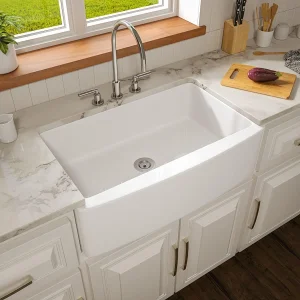
For luxury homes, large double-bowl ceramic farmhouse sinks or scratch-resistant granite composite sinks offer premium styling. Paired with a heavy-duty, sound-insulated 1 HP disposer, these setups easily handle high volumes of food waste during large family gatherings.
Commercial food prep areas require durable 16-gauge SUS304 sinks with reinforced mounts. These systems stand up to continuous operation, high water temperatures, and heavy use in fast-paced commercial environments.
Modern green building projects prioritize water efficiency and waste reduction. Our integrated systems feature low-flow faucets and energy-efficient disposers, helping developers earn green building certifications like LEED.
Review answers to common technical, mechanical, and logistical questions raised by global distributors and procurement managers.
The structural gauge determines the metal's thickness and rigidity. Installing a heavy food waste disposer (typically 6-9 kg) on a thin sink (such as 20-gauge or thinner) can cause the sink deck to flex and sag. Over time, the vibration from the disposer's motor can fatigue welds and break the silicone seal between the sink and the countertop, causing leaks. We recommend using a minimum of 18-gauge, or preferably 16-gauge SUS304 steel, to ensure a stable installation.
We apply thick rubber sound-dampening pads (2.5mm to 3.5mm thickness) to the outer walls and base of our stainless steel sinks. This is combined with an anti-condensation undersink spray coating. The rubber pads absorb vibration energy from the disposer motor, preventing the sink walls from acting as a soundboard and reducing operational noise by up to 10-12 decibels.
Yes, our standard sink lines feature a 3.5-inch (90mm) drain opening. This matches standard US and European disposer flanges, including InSinkErator, Waste King, and Moen. We also supply adapter kits and custom flange sizes for projects with non-standard plumbing connections.
SUS304 contains 18% chromium and 8% nickel, which provides excellent resistance to corrosion, rust, and organic acids. SUS201 replaces part of the nickel content with manganese. While SUS201 has high tensile strength and is more affordable, it is more susceptible to corrosion in humid environments or when exposed to acidic food wastes over long periods.
Yes, we provide full OEM and ODM services. We can customize sink shapes, configure offset drain holes, laser-engrave corporate logos, and package products to your specifications. Our engineering team can also develop custom technical drawings to match your project's architectural requirements.
Our sinks are certified to cUPC standards, meeting ASME A112.19.3/CSA B45.4 testing requirements. For projects that include integrated food waste disposers, the electrical units carry UL or ETL listings, ensuring they comply with US and Canadian electrical safety standards.
We use heavy-duty double-wall corrugated cartons reinforced with molded polystyrene foam inserts (EPS/EPE). This protects the sink's corners and faces from impact. We also perform ISTA 1A/3A drop tests to verify the packaging protects the product during ocean transit and local parcel delivery.
Our typical lead time is 30 to 45 days after deposit confirmation and technical drawing approval. This timeline allows us to perform raw material testing, precision manufacturing, surface treatment, quality inspections, and final packaging.
Explore our complete range of matte fireclay farmhouse sinks, multi-functional smart waterfall models, and heavy-duty double-bowl undermount systems. These products are designed to meet international plumbing standards and simplify under-sink installations.
 Nura Kitchen