Advanced Architectural Solutions Configured for Modern Kitchen Environments and Specialized Operations
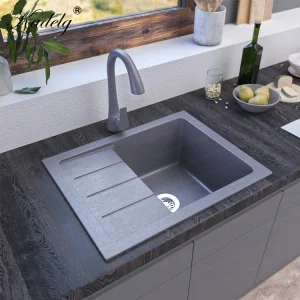
China Wholesale Top Mount Grey Single Bowl Rectangular Composite Granite Stone Kitchen Sink
Request Specification Sheet
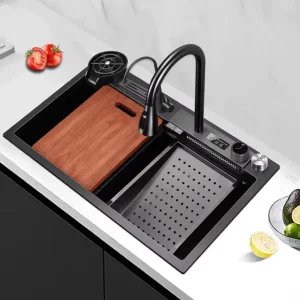
Smart Sink with Cutting Board Rack SUS304 Handmade Kitchen Sink Double Bowl Stainless Steel Sink
Request Specification Sheet
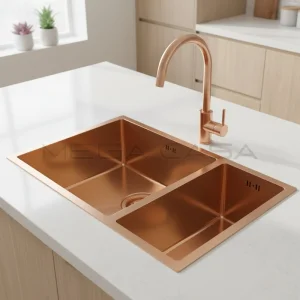
Premium Stainless Steel 304/316 Under Mount Kitchen Sink Handmade Customized Size 650X440X205mm
Request Specification Sheet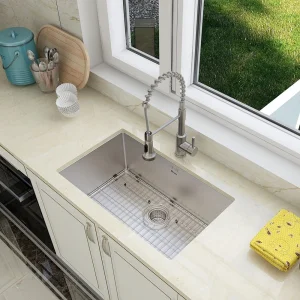
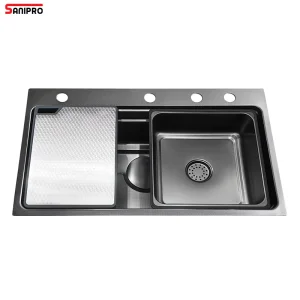
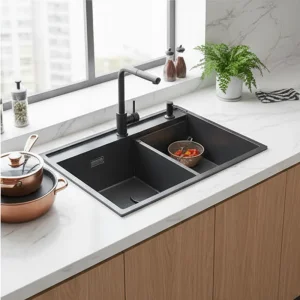
Drop-in Kitchen Sink 304 Stainless Steel Topmount Handmade Kitchen Sink Single Bowl Workstation Sink
Request Specification SheetThe global kitchen and sanitary fittings market is undergoing a structural paradigm shift. Historically classified as simple commodity vessels, sinks have evolved into central multifunctional culinary workstations. This transformation is driven by macro urbanization trends, space optimization mandates in premium high-rise residences, and the integration of professional food preparation capabilities into home environments. According to recent B2B market intelligence, demand for customized and OEM-configured sinks has grown exponentially, outstripping standard, stock product lines by a factor of three.
Today, architects, commercial developers, and high-end residential brands require bespoke configurations. Standard off-the-shelf models fail to meet the strict structural, spatial, and aesthetic specifications of boutique developments, high-traffic commercial kitchens, and modular luxury apartments. From localized structural modifications like hidden gas pipe channels to the incorporation of heavy-duty SUS316 marine-grade steel for outdoor applications, customizations are no longer premium upgrades—they are fundamental engineering requirements.
The demand curve varies significantly by geography. In North America, the market is characterized by a strong preference for large, heavy-duty farmhouse apron-front single and double bowls constructed of 16-gauge or 18-gauge SUS304 steel. In contrast, Western European developers demand minimalist, tight-radius (zero-radius or R10) undermount models that integrate seamlessly into ultra-compact, handle-less modern cabinetry. Meanwhile, the Asia-Pacific region is experiencing an surge in smart waterfall workstations that bundle dual-track sliding cutting boards, integrated sanitization elements, and high-tech physical vapor deposition (PVD) surfaces.
As a foundational pillar in the culinary equipment space, Guangzhou Nura Kitchen Co., Ltd. represents a leading manufacturer and supplier specializing in innovative kitchen appliances and cooking solutions. Located in the strategic industrial hub of Guangzhou, Guangdong Province, the company operates modern production facilities equipped with advanced assembly lines, research and development centers, and rigorous quality inspection systems. Nura Kitchen focuses on creating durable, user-friendly appliances designed to meet the needs of modern households, offices, and commercial kitchens.
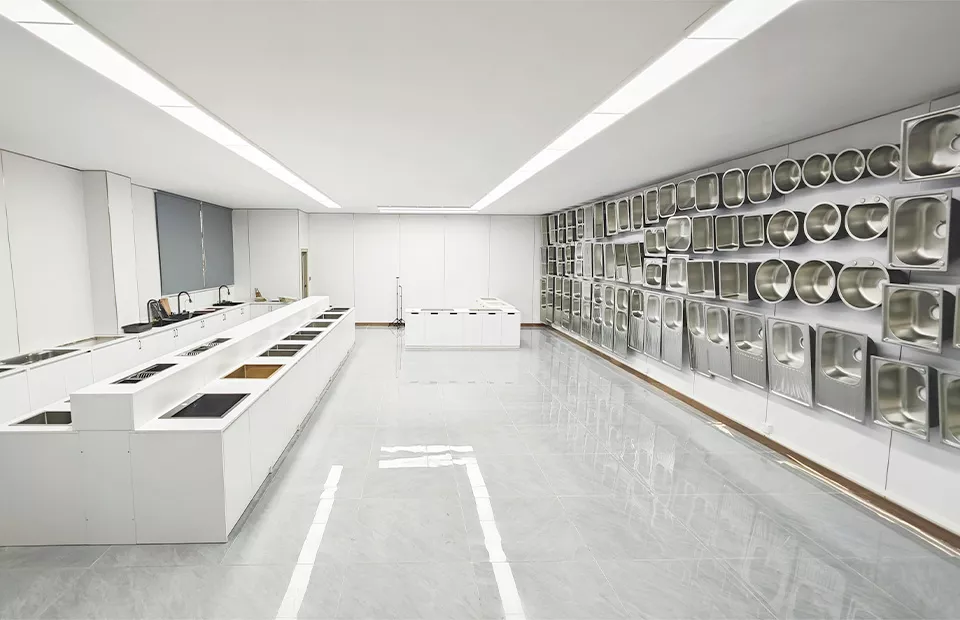
The company's core operations are backed by high-precision machinery, laser-cutting installations, and advanced pressing tools capable of manufacturing heavy-gauge sanitaryware. The company’s main business includes the production and distribution of electric cooking pots, electric lunch boxes, electric kettles, water heating cups, and multifunctional kitchen devices. These products are designed to improve cooking efficiency, save time, and provide convenient solutions for daily meal preparation.
By bridging the gap between appliance manufacturing and architectural fixtures, Nura Kitchen offers highly integrated customization solutions for bulk buyers and international distributors, ensuring high-quality products and reliable service for a wide range of customers globally.
Guangzhou Nura Kitchen employs a skilled team of engineers, product designers, quality control specialists, and sales professionals. The company emphasizes strict quality management, continuous innovation, and customer-oriented service. By combining practical designs with advanced technology, Nura Kitchen delivers kitchen appliances and customized infrastructure that enhance convenience, efficiency, and safety in cooking.
Committed to excellence, Guangzhou Nura Kitchen Co., Ltd. continues to expand its reach in both domestic and international markets, providing reliable, smart, and innovative kitchen solutions. This technological ethos extends directly to their custom OEM/ODM sink divisions, bringing smart controls, heat-resistant coatings, and high-precision finishes to architectural water solutions.
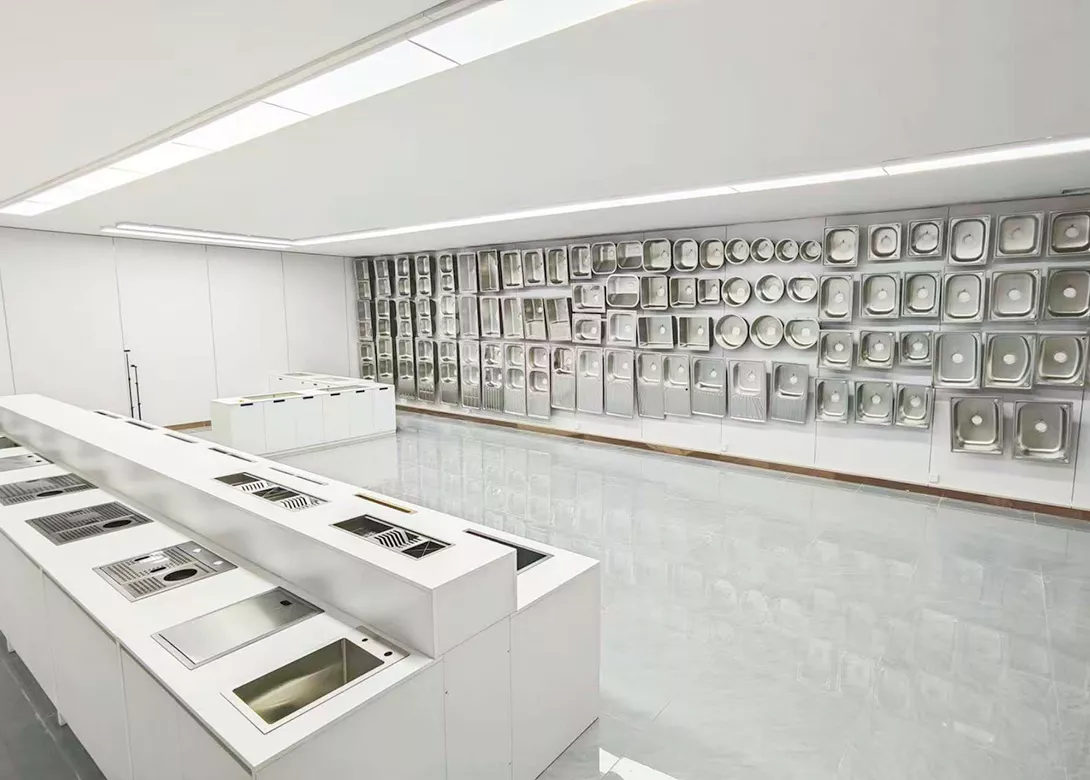
At the heart of high-performance sink manufacturing lies rigorous material science. The choice of raw materials defines the product's lifespan, chemical resilience, structural strength, and hygienic properties. Our R&D division has categorized the material configurations to assist engineers in making optimal design decisions:
The global benchmark for sanitaryware. Consisting of 18% chromium and 8% nickel, SUS304 offers exceptional oxidation resistance. For coastal, outdoor kitchen, or laboratory specifications, SUS316 adds molybdenum to prevent chloride pitting.
Composed of approximately 80% natural quartz sand bonded with high-grade acrylic resins. These composite stones offer structural density, absorbing mechanical shocks and preventing scratches while damping sound naturally.
Utilizing Physical Vapor Deposition in vacuum chambers to molecularly fuse titanium or chromium nitride onto the stainless surface. This results in a wear-resistant surface that exhibits high hydrophobic performance.
One of the biggest concerns for end-users is maintaining clean surfaces. Standard stainless steel is prone to water spots, lime-scale accumulation, and fingerprint marks. Through advanced Nano-Ceramic coating application, the steel surface becomes highly hydrophobic.
This micro-level structuring creates a "Lotus Effect" where water beads up and rolls off, carrying organic contaminants and mineral sediments along with it. This technology significantly reduces cleaning cycle requirements in commercial food prep environments and healthcare facilities.
Sinks are not standalone elements; they are interface platforms integrated into distinct mechanical, structural, and architectural envelopes. Below we detail the precise engineering configurations required across different sectors:
| Application Environment | Primary Material Config | Crucial Customization Elements | Relevant Certifications Needed |
|---|---|---|---|
| High-End Multi-Family Residential | SUS304 16G or Quartz Composite | Undermount configurations, integrated prep ledges, matching custom wood cutting boards. | cUPC, CE, ASME A112.19.3 |
| Commercial F&B & Hospitality | SUS304/SUS316 14G | Double or triple deep bowls, pre-drilled commercial faucet holes, structural backsplash guards. | NSF Standard 2, CE |
| Outdoor Living & Yacht Galleys | SUS316 Marine-Grade Steel | High-density anti-pitting coating, integrated drainage systems, cover panels to prevent debris ingress. | ASTM A240, CE |
| Hospitals & Medical Laboratories | Microbial-resistant PVD SUS304 | Hands-free knee-pedal or sensor-activated faucets, zero-crevice seamless welds, deep splash containment. | ISO 13485, ADA Compliance |
How a sink is mounted directly affects both installation labor costs and long-term durability. Undermount installations create a seamless flow from the countertop into the basin, preventing dirt trapping along the lip. However, they require precision stone-cutting templates. Top-mount (Drop-in) installations are highly cost-effective and suited for laminate countertops, utilizing rim designs that clamp the sink securely to the deck. Flush-mount engineering, the preferred layout for modern luxury designs, aligns the sink rim perfectly with the countertop surface via CNC rebate carving, creating a clean, modern aesthetic.
The future of water delivery and drainage is digital and resource-efficient. Industry dynamics indicate three primary vectors of innovation:
Integrating smart solenoids and pressure regulators into the sink structure allows users to toggle between overhead rinse, direct spray, and a horizontal waterfall flow. Waterfall delivery is engineered to wash fruits, vegetables, and prep tools over a wider surface area using less water, enhancing washing efficiency while minimizing splash-back.
With rising construction labor costs, developers are looking for "Plug-and-Play" options. Our future product designs focus on integrated drain traps, prefabricated pipe linkages, and pre-welded bracket mounting structures. This allows site plumbers to connect the systems in minutes instead of hours.
A silent home is a premium home. Our engineering process utilizes 3.0mm thick heavy rubber silencer pads undercoated with anti-condensation composite spray on all exterior walls of the basin. This dampens the impact noise of running water and waste disposers, preventing cabinet moisture accumulation due to temperature differentials.
Premium Grade Smart Sinks, Farmhouse Aprons, and Structural Workstations for Worldwide Delivery
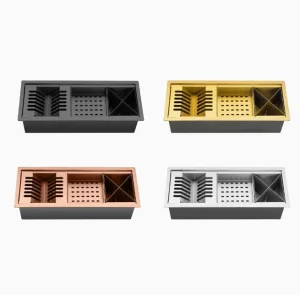
Multifunctional Gold Stainless Steel Dish Drying Kitchen Channel Sink with Gold Draining Rack
Request Specification Sheet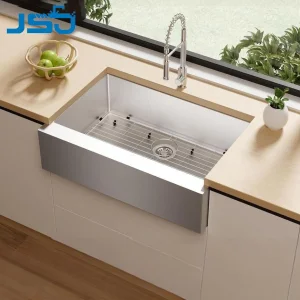
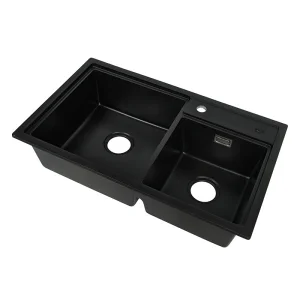
Undermount Kitchen Sink Popular Kitchen Sink Quartz Material Composite Granite Sink
Request Specification Sheet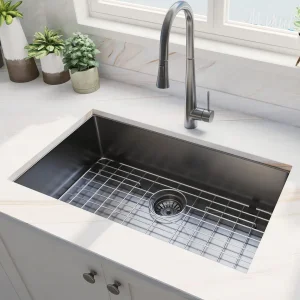
Kitchen Sink 7845 Stainless Steel Sink Big Single Bowl Brushed Undermount
Request Specification Sheet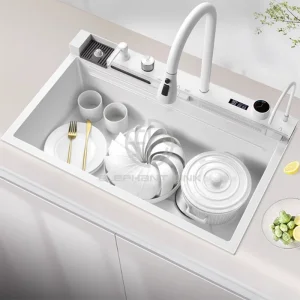
White Whale Multifunctional Stainless Steel Kitchen Sink Workstation with Cutting Board
Request Specification Sheet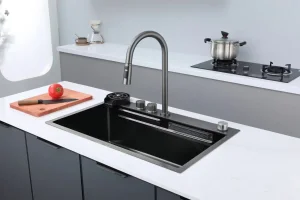
Get technical insights and details on our custom OEM and manufacturing capabilities.
 Nura Kitchen