Maintaining a handmade kitchen sink is crucial for its longevity and appearance. Expert David McClain, a renowned artisan in the field, states, "Proper care transforms a sink from functional to stunning." To understand how to maintain a handmade kitchen sink, it's essential to consider the materials used and the techniques involved.
Handmade sinks often feature materials like copper or cast iron, which require specific care methods. Regularly cleaning with gentle soaps can prevent damage. Avoid harsh chemicals that might harm the finish. The unique nature of these sinks means they can show wear and tear; it's normal. Over time, acids from food can cause blemishes. Addressing these promptly can preserve beauty.
The process of maintaining these sinks can feel overwhelming. Many new owners may overlook routine checks for leaks or proper sealing. Understanding how to maintain a handmade kitchen sink involves patience and attentiveness. Reflecting on the care methods ensures your sink retains its charm and functionality.
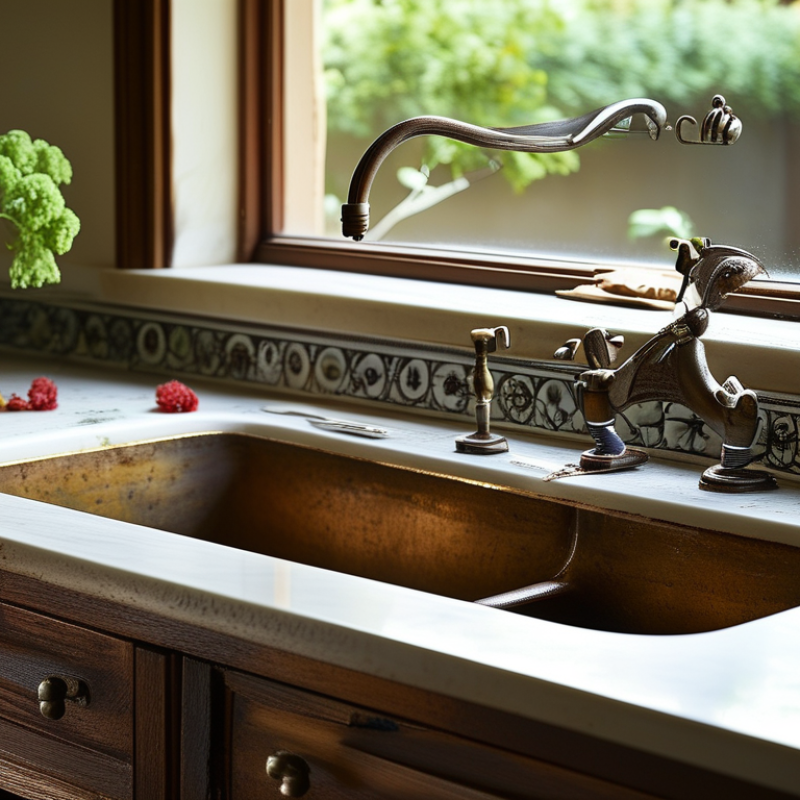
Understanding Your Handmade Kitchen Sink Materials and Care Requirements
When it comes to maintaining a handmade kitchen sink, understanding the materials is crucial. Handmade sinks often consist of materials like fireclay, stainless steel, or copper. Each material has unique care requirements. For example, fireclay is durable but can chip if mishandled. Stainless steel, while resistant to rust, scratches easily. Copper develops a patina over time, which some might find charming while others may not prefer it.
Regular cleaning is a must for all types of handmade sinks. Use gentle, non-abrasive cleaners to avoid damage. A soft cloth or sponge can prevent scratching. Daily maintenance ensures that stains don’t set in. It's easy to overlook small spills or debris. However, neglecting these can lead to bigger issues later. Regular scrubbing with mild soap keeps surfaces looking fresh.
Pay attention to water quality as well. Hard water can leave mineral deposits. This is particularly noticeable on stainless steel sinks. Wiping them dry after use helps prevent these unsightly marks. For copper sinks, consider applying a protective sealant if you want to maintain a shiny finish. Be mindful that every material requires patience and care. Not maintaining them properly may lead to costly repairs or replacements.
Regular Cleaning Techniques for Your Handmade Kitchen Sink
Keeping a handmade kitchen sink in pristine condition requires dedication. Regular cleaning is essential for maintaining its beauty and functionality. One effective technique is to use a mild soap solution. This helps remove daily grime without damaging the surface. Gently scrub with a soft cloth or sponge, focusing on areas with build-up. Rinse thoroughly to avoid soap residue.
Remember, certain cleaning products can harm your sink. Avoid harsh chemicals and abrasive tools. They may scratch or dull the finish, leading to future repair issues. Instead, opt for natural solutions like vinegar or baking soda. They can effectively tackle tough stains without causing damage.
It’s also important to dry the sink after each use. Water spots and minerals can accumulate over time. A clean, soft towel can work wonders. Take note of any discoloration or scratches; they could impact your sink's longevity. By being proactive, you ensure that your handmade sink remains a stunning centerpiece in your kitchen.
Preventing Scratches and Damage on Your Kitchen Sink Surface
Maintaining the surface of a handmade kitchen sink is crucial for both aesthetics and longevity. Kitchen sinks, particularly those made from materials like stainless steel or porcelain, are susceptible to scratches and damage. According to a recent industry report, over 70% of kitchen sink damages occur due to improper usage or cleaning methods. Awareness of proper maintenance can significantly extend the life of these beautiful fixtures.
To prevent scratches, always use cutting boards when chopping food. Avoid placing pots or pans directly in the sink. This simple practice reduces the risk of scratching the sink surface. Additionally, using soft sponges and non-abrasive cleaners is essential. A survey conducted by the Home Improvement Research Institute found that 65% of homeowners mistakenly use harsh chemicals, which can cause micro-scratches and dullness over time.
Moreover, it's important to understand the nuances of your specific sink material. For instance, while stainless steel is durable, it can lose its shine if not properly cared for. A study revealed that 45% of respondents overlooked the importance of regular polishing. This oversight can lead to long-term damage, necessitating costly repairs or replacements. Regular maintenance is not just about cleaning; it's about preserving the sink's integrity and appearance.
China Top 10 Tips to Maintain a Handmade Kitchen Sink
| Tip |
Description |
Frequency |
| Use Soft Cloths |
Always clean your sink with soft cloths to avoid scratches. |
Every use |
| Avoid Harsh Chemicals |
Do not use abrasive cleaners that can damage the surface. |
As needed |
| Regular Rinsing |
Rinse the sink after each use to prevent staining. |
Every use |
| Use Cutting Boards |
Always use cutting boards to prevent knife marks. |
Every use |
| Seal with Wax |
Apply a protective wax coating regularly for shine and protection. |
Monthly |
| Avoid Hot Pots |
Do not place hot pots directly into the sink to prevent damage. |
Always |
| Use Dish Soap |
Use mild dish soap for cleaning and avoid scouring pads. |
Every use |
| Dry the Sink |
Always dry your sink after use to avoid water spots. |
Every use |
| Monthly Deep Clean |
Perform a deep clean monthly with gentle cleaners. |
Monthly |
| Inspect for Damage |
Regularly check for scratches and dents to address issues early. |
Weekly |
Dealing with Stains and Discoloration on Handmade Sinks
Handmade kitchen sinks can elevate your kitchen's charm, but they are not immune to stains and discoloration. Many homeowners encounter issues like hardened food stains or mineral deposits. Understanding how to effectively deal with these challenges is essential.
To maintain the beauty of your sink, always clean up spills promptly. Leaving acidic substances like vinegar or lemon juice can cause etching. Use a soft sponge to avoid scratching the surface. If stains remain, try baking soda paste. It gently lifts stains without damaging the sink's finish.
For stubborn discoloration, consider using a non-toxic cleaner designed for natural materials. Test it on a small area first. Sometimes, applying vinegar followed by a gentle scrub can provide a fresh look. However, be cautious; overuse of harsh cleaners can lead to more discoloration. Learning the right balance of care is key to preserving your sink’s beauty.
Proper Maintenance Routine to Extend the Lifespan of Your Sink
Proper maintenance of a handmade kitchen sink is essential for longevity. Regular cleaning can prevent buildup and stains. Use gentle, non-abrasive cleaners. Harsh chemicals can scratch and damage the surface. Rinse the sink with warm water after each use. This simple step keeps it looking new.
Inspect the sink frequently for any signs of wear. Look for chips or cracks. Address these issues promptly to avoid further damage. If you notice rust spots, gently scrub them with a mild abrasive pad. Don’t forget to dry the sink after cleaning. Excess moisture can lead to staining.
Consider applying a protective sealant every few months. This helps to maintain the sink's finish. It's also a good idea to avoid placing heavy pots directly into the sink. Instead, use a cutting board or dish rack. Remember, your sink reflects your kitchen's overall appearance. Pay attention to the details, even small ones.
Top 10 Tips to Maintain a Handmade Kitchen Sink
Conclusion
Maintaining a handmade kitchen sink requires an understanding of its materials and specific care needs. To effectively learn how to maintain a handmade kitchen sink, start with regular cleaning techniques that avoid harsh chemicals to preserve its finish. It’s essential to prevent scratches and surface damage by using soft sponges and avoiding abrasive cleaners.
Dealing with stains and discoloration also plays a key role in maintenance; using mild cleaners can help keep the surface looking pristine. Establishing a proper maintenance routine, including periodic inspections for wear and tear, will significantly extend the lifespan of your handmade sink. By following these tips, you can ensure your sink remains a beautiful and functional centerpiece in your kitchen.

 Nura Kitchen