A sink is a crucial part of any kitchen or bathroom. It faces constant daily use, often experiencing wear and tear. To ensure its longevity, homeowners should ask themselves: what maintenance tips extend sink life? Simple actions can drastically improve a sink's durability.
Regular cleaning is essential. Avoid harsh chemicals that can damage sink surfaces. Instead, opt for gentle, natural cleaners. This ensures that your sink remains in good condition. Additionally, always rinse after use to prevent buildup. Another vital tip is to fix leaks promptly. Ignoring small leaks can lead to significant damage over time.
Also, be cautious about what goes down the drain. Disposing of grease and fibrous materials can cause clogs and long-term plumbing issues. Consider using a sink strainer to catch debris. With these tips, you can preserve your sink's functionality and aesthetics for years to come. Small habits lead to big results.
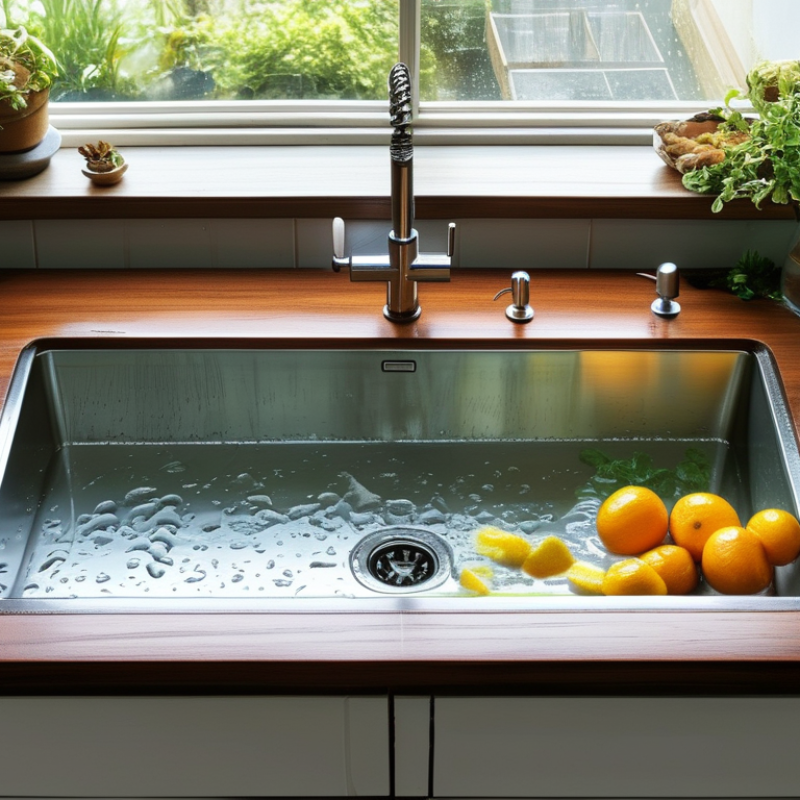
A clean sink is essential for longevity. Research shows that regular maintenance can extend the lifespan of your sink significantly. In fact, a study by the National Association of Home Builders indicates proper upkeep can add years to a sink’s reliability.
Daily cleaning involves simple practices. Use warm soapy water for routine washing. Avoid abrasive sponges, as they can scratch and harm finishes. Rinse thoroughly to remove soap residue, which can accumulate and dull the surface. A solution of vinegar and water can break down mineral deposits. Spray it on, let it sit, and wipe away. This prevents buildup that can lead to clogs.
In addition to cleaning, consider the materials you use. Some chemicals may cause corrosion or discoloration. Be aware that excessive moisture can lead to mold. Regularly check for leaks or cracks. Small issues can escalate quickly without attention. Lastly, maintain drainage by avoiding food scraps that could cause blockages. Keeping an eye on these details helps sustain a functional and attractive sink.
Identifying sink issues early can save both time and money. Leaks are a common problem. According to a study by the American Water Works Association, leaks can waste up to 10,000 gallons of water annually per household. Checking for wet spots around the sink can help catch issues before they escalate.
Clogged drains are another frequent concern. The Environmental Protection Agency notes that clogged sinks can lead to costly repairs if not addressed quickly. Regularly using a drain strainer can capture debris. This simple preventive step can prolong the life of your sink.
Cracks and chips may appear over time. They can lead to further decay if ignored. Observing these imperfections closely can help homeowners determine when to take action. Sometimes, minor repairs can delay replacement. Tracking changes in your sink’s condition is key to maintaining its functionality.
Keeping your sink clear of clogs and build-up is crucial for its longevity. According to a report by the National Sanitation Foundation, nearly 60% of plumbing issues stem from clogged sinks. Regular maintenance can save you from costly repairs. One simple practice is to avoid pouring grease down the drain. Cooking oils can solidify and create obstructions, which lead to significant blockages over time.
In addition, using a sink strainer can greatly reduce waste entering your drain. Food particles and debris often accumulate, causing build-up. The Environmental Protection Agency suggests that simple preventative measures can reduce the likelihood of clogs by up to 75%. Remember to clean the strainer regularly. A thorough cleaning routine can extend the sink's life and improve hygiene.
Periodic use of hot water can help dissolve minor clogs and clear away buildup. However, it's important not to rely solely on this method. Neglecting accumulated debris can lead to frustrating results. Blocking the flow is not just inconvenient; it creates the perfect environment for bacteria. Therefore, staying proactive about sink maintenance can ensure its efficient operation and longevity.
This chart represents the effectiveness of various maintenance tips for preventing clogs and build-up in your sink. The effectiveness is rated on a scale from 1 to 10, where 10 indicates the highest effectiveness.
When it comes to maintaining your sink, using the right products is crucial. Many homeowners overlook this aspect. Research indicates that 70% of sink issues stem from improper care. Using abrasive cleaners may damage finishes, leading to costly repairs. Instead, opt for non-abrasive cleaners. Natural ingredients like vinegar and baking soda are effective. They can eliminate odors and grime without causing harm.
Techniques also play a vital role in sink maintenance. Regularly wipe down the sink after use. This simple step helps prevent stain buildup. Periodic deep cleaning every month can enhance longevity. Professional recommendations suggest this routine can extend the sink's life by 30%. Avoid letting food particles sit, as they can lead to clogs. An estimated 40% of sink problems are directly linked to residue accumulation.
Furthermore, be cautious with what goes down the drain. Even minor decisions affect your sink's health. Using a strainer can effectively trap debris. Ignoring these aspects may lead to bigger issues. A proactive approach saves money and avoids frustration. Many homeowners overlook these practices, often at their sink’s expense. Choose wisely for lasting results.
Regular inspection of your sink is essential for its longevity. Start by checking for leaks or cracks. Minor issues can escalate quickly if ignored. Look for signs of wear around the drain and faucet. Keep an eye on the water flow and drainage speed. Slow drains often indicate a blockage that needs attention.
Professional maintenance is crucial as well. Schedule a routine checkup at least once a year. Experts often spot issues that homeowners overlook. They have tools and knowledge that can prevent severe damage. Professionals can clean the pipes, ensuring optimal performance. This is particularly important if your sink sees heavy use. Remember, neglecting these inspections might lead to costly repairs later.
Pay attention to the materials your sink is made from. Some materials require more regular care than others. Regular maintenance can prevent staining, corrosion, and other wear. Even the best sinks can deteriorate without proper care. A little effort now can save you time and money in the long run.
: Daily cleaning is recommended to maintain a clean and functional sink.
Use warm soapy water and avoid abrasive sponges that may scratch surfaces.
Mix vinegar and water, spray it on, and wipe it off to prevent buildup.
Inspect for leaks, cracks, and slow drainage to catch minor issues early.
Professionals can identify problems you might miss and clean pipes effectively.
Regular maintenance and the use of appropriate cleaning products are crucial.
Yes, they can damage finishes and lead to costly repairs over time.
Use a strainer and don’t let food particles accumulate in the drain.
Excessive moisture can promote mold growth, leading to further issues.
Wipe down the sink after each use to prevent stain buildup.
Maintaining your sink properly can significantly extend its lifespan, and there are several key practices to follow. Daily cleaning routines, such as wiping down surfaces and avoiding harsh chemicals, are essential for keeping your sink in top condition. Identifying and addressing common issues early can prevent more severe problems down the line, while regular inspections can help catch any wear and tear.
To further ensure durability, focus on preventing clogs by being mindful of what goes down the drain. Using appropriate care products and techniques will also safeguard your sink from damage. In summary, understanding what maintenance tips extend sink life involves a combination of daily care, proactive problem-solving, and professional maintenance recommendations to keep your sink functioning well for years to come.

Nura Kitchen