In recent years, the importance of sustainability in home improvement has gained significant attention. The kitchen sink, often overlooked, plays a vital role in this movement. According to a report by the Environmental Protection Agency, around 10% of household water use occurs at the kitchen sink. Therefore, selecting an eco-friendly option is crucial for reducing the overall environmental impact.
Experts emphasize the need for informed choices. "Choosing eco-friendly kitchen sinks is not just about style, but also about sustainability and functionality," states renowned green living advocate, Dr. Lydia Green. Her insights highlight the balance between aesthetic appeal and environmental responsibility. As consumers, understanding how to choose eco-friendly kitchen sinks is essential for making impactful decisions.
Navigating the market can be daunting with so many options available. While many products claim eco-friendliness, not all meet the necessary criteria. Raw materials, manufacturing processes, and longevity must be considered. The journey in finding the right sink may require some trial and error, which can be frustrating. Yet, the outcome is often rewarding when sustainability becomes a priority in our daily lives.
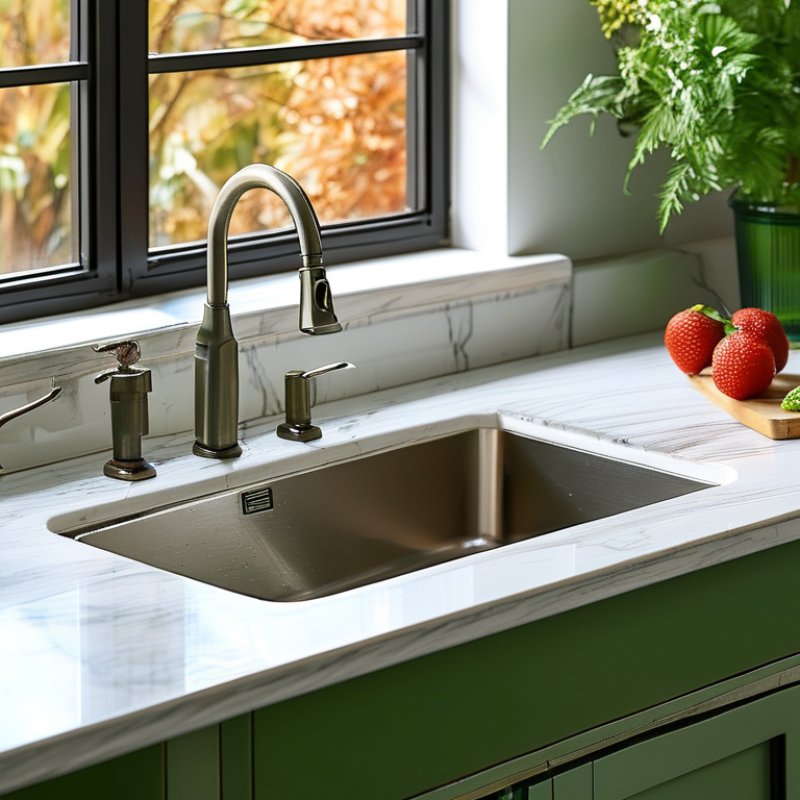
Eco-friendly kitchen sinks are becoming a vital part of sustainable living. They not only reduce waste but also conserve water. Choosing the right sink can impact the environment positively. Recycled materials and low-impact manufacturing processes are essential features of these sinks. They come in various styles and designs that blend well with modern kitchens.
Understanding the materials used is crucial. Sinks made from sustainable materials like bamboo or recycled stainless steel are great options. These materials require less energy to produce. However, they still need proper maintenance to ensure longevity. The durability of eco-friendly sinks can sometimes come under scrutiny. It’s important to research and choose sinks that have been proven to last.
Consider the environmental footprint of your sink. Some options have a higher carbon cost despite being made from eco-friendly materials. The production process matters a lot. Think about the lifecycle of the sink from production to disposal. Many consumers overlook this, focusing only on the initial purchase. Making a thoughtful decision contributes to a healthier planet.
When selecting an eco-friendly kitchen sink, the materials play a critical role. Many options exist, ranging from reclaimed wood to recycled metals. These materials not only reduce environmental impact but also add unique character to your kitchen. Stainless steel is popular due to its durability and recyclability. However, its production does require significant energy resources.
Another excellent choice is bamboo. This fast-growing plant is sustainable and looks stunning in any kitchen. Yet, it may not be as long-lasting as metal. You might also consider composite materials, which are made from a mix of recycled content. They offer versatility and strength but can vary in environmental friendliness depending on the specific materials used.
Ceramic sinks provide a classic look and are often made from natural clay, a renewable resource. However, they can be heavy and more fragile than other options. The choice ultimately depends on your aesthetic preferences and practical needs. Reflecting on these factors can help in making an informed decision, keeping both style and sustainability in mind.
When choosing an eco-friendly kitchen sink, several factors come into play. Material is crucial.
Stainless steel is popular due to its durability and recyclability. A study from the U.S. Environmental Protection Agency reveals that over 80% of stainless steel sinks are recycled. However, not all stainless steel is created equal. Some contain nickel, which can be controversial regarding mining practices.
Size and installation type are next. A large sink consumes more water due to drainage. The National Kitchen and Bath Association reports that single-basin sinks are becoming more popular because they reduce water usage. More efficient designs can even utilize greywater systems that recycle water.
Understand also the impact of finishes. Many sinks feature coatings that can contain harmful chemicals. A report from the Green Building Council indicates that low-VOC (volatile organic compound) finishes are less harmful to indoor air quality.
Look for certifications that assure responsible manufacturing practices and materials. Opting for a sink made with sustainable practices can sometimes mean paying a premium. Yet, investing in a sustainable option often benefits both the environment and your long-term savings. Each choice echoes beyond affordability and into the realm of eco-consciousness.
In recent years, eco-friendly kitchen sinks have gained popularity. Consumers are increasingly prioritizing sustainability in their purchasing decisions. A report by the Environmental Protection Agency indicates that around 80% of homeowners consider eco-friendliness a crucial factor when renovating their kitchens.
When choosing the best eco-friendly kitchen sink, several materials and features are essential. Stainless steel, for instance, is 100% recyclable, making it a sustainable choice. Additionally, sinks made from composite materials, often consisting of recycled content, contribute to a lower environmental footprint. However, many consumers may overlook the energy-intensive processes involved in producing certain materials. A balance between aesthetics and sustainability remains a challenge for many homeowners.
Innovative design is also a vital consideration. Many modern eco-friendly sinks incorporate features to reduce water use. Dual-basin designs are popular for multitasking while conserving water. Yet, the ideal sink size often leads to debates. Some may find larger sinks wasteful, while others believe they offer convenience. Evaluating individual needs can be surprisingly complex. It’s crucial to weigh these details with a conscious mind, aligning choices with a sustainable lifestyle.
This chart represents the sustainability ratings of the top 10 eco-friendly kitchen sinks based on materials, manufacturing process, and durability. Higher ratings indicate more eco-friendly features.
Maintaining an eco-friendly kitchen sink is essential for sustainability. Regular cleaning is a key aspect. Use mild, biodegradable detergents to avoid harsh chemicals. These products clean effectively and minimize environmental impact. A simple solution of vinegar and baking soda works wonders for tough stains.
Another important factor is the material. Choose sinks made from recycled or sustainable materials. These options often require less maintenance and have a longer lifespan. Regular inspections help catch any wear and tear early. Look for minor chips or cracks that could lead to leaks. Neglecting these issues can result in more significant problems down the line.
Proper usage also plays a crucial role. Always avoid dumping food scraps directly into your sink. Instead, use a compost bin to manage waste. This small change can preserve the sink's materials and reduce the buildup of grime. Reflecting on daily habits can lead to better maintenance practices, ensuring your eco-friendly sink remains functional and sustainable over time.
: Common materials include stainless steel, bamboo, ceramic, and composite materials. Each has its pros and cons.
Stainless steel is durable and recyclable. About 80% of it is recycled, which minimizes environmental impact.
Bamboo sinks are beautiful but may not be as durable as metal options, leading to potential replacements.
Larger sinks use more water. Consider single-basin designs to help conserve water usage during daily tasks.
Some coatings contain harmful chemicals. Low-VOC finishes are better for indoor air quality and environmental health.
Regular cleaning with mild, biodegradable detergents is key. Simple solutions like vinegar and baking soda work well.
Yes, regular inspections for chips or cracks can prevent leaks and costly repairs down the line. It’s important.
Avoid dumping food scraps in the sink. Instead, use a compost bin to reduce grime and maintain the sink's materials.
While sustainable sinks can be pricier, they often yield long-term savings and ecological benefits. Reflect on your choices.
Composite sinks offer versatility but check the specific materials, as their environmental friendliness can vary greatly.
In today's environmentally conscious society, understanding eco-friendly kitchen sinks and their significance is essential for sustainable living. When learning how to choose eco-friendly kitchen sinks, it's crucial to consider the materials used in their construction, such as recycled metals or bamboo, which minimize environmental impact. Factors such as durability, design, and compatibility with your kitchen space also play a key role in making an informed choice.
The top eco-friendly kitchen sinks of 2023 highlight innovative designs and sustainable materials that prioritize the environment without sacrificing style. Additionally, maintaining these sinks with proper care ensures their longevity and continued eco-friendliness. By focusing on these aspects, homeowners can select a kitchen sink that aligns with their values and contributes positively to the planet.

Nura Kitchen