A durable sink should withstand daily washing, hot pans, abrasive cleaners, and years of changing household routines. Yet durability is rarely determined by material alone. A stainless steel basin may resist corrosion, but poor installation can create movement, stress, and leaks around the rim. A ceramic sink may look flawless, while a sharp impact can cause a hidden crack that spreads over time.
So, what factors affect sink durability? This guide examines ten practical influences, including material quality, gauge or thickness, surface finish, manufacturing standards, installation support, water chemistry, cleaning habits, heat exposure, impact resistance, and maintenance. Each factor can change how a sink performs in a real kitchen, bathroom, utility room, or commercial setting. Small details matter. A loose mounting bracket, standing water near the drain, or a rough sponge used daily may shorten service life.
Professional installers often judge durability through more than appearance. They check cabinet support, plumbing alignment, sealant condition, and the sink’s response to regular use. Manufacturer specifications and warranty terms also provide useful evidence, although warranties do not replace careful maintenance. Some advice sounds convincing but lacks testing or practical context. That deserves caution.
This overview combines material knowledge, installation experience, and realistic care guidance. It also recognizes an uncomfortable point: even a premium sink can fail when its environment is unsuitable. Understanding these factors helps buyers compare products honestly and avoid preventable damage. A sink is not merely a basin. It is a working surface exposed to water, weight, heat, chemicals, and repeated impact every day.
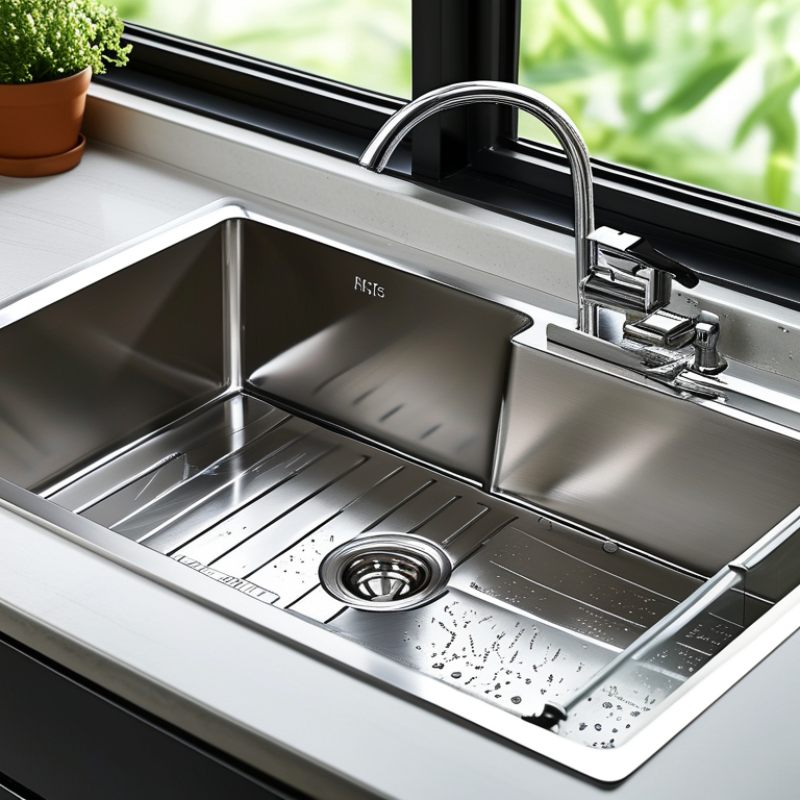
Material selection controls much of a sink’s long-term durability. Stainless steel handles impact well, but thickness and alloy grade matter. The International Stainless Steel Forum reported 58.4 million tonnes of global stainless-steel production in 2023. That scale supports mature manufacturing and recycling systems. However, high production volume does not guarantee quality. Thin steel can flex, dent, and amplify noise. A 304-grade basin suits many kitchens, while 316-grade steel offers stronger resistance in salty or chemically aggressive environments.
Composite stone resists scratches and hides water marks, yet sharp impacts can chip exposed edges. Fireclay and enamelled cast iron tolerate heat, but sudden temperature changes may cause surface stress. Porcelain surfaces also depend heavily on glaze quality. The ten practical durability factors include material, thickness, grade, coating, impact, thermal shock, water chemistry, cleaning products, installation support, and maintenance.
Field inspections often reveal installation as the weak point. A poorly supported heavy basin can strain joints and create small leaks. Household water with high chloride levels may accelerate corrosion, according to corrosion guidance published by ASTM-related technical literature. Mild cleaners are safer than abrasive powders or chlorine-heavy formulas. This is where assumptions fail: “stainless” does not mean stain-proof, and “scratch-resistant” does not mean scratch-proof. Manufacturers should provide test methods, not only attractive durability claims. Even careful owners may overlook the underside, where moisture and trapped debris quietly damage fittings.
Stainless steel handles impacts well when its thickness and alloy grade are suitable. A 304-grade basin fits many kitchens. A 316-grade option better resists salty or chemically aggressive environments. Still, “stainless” does not mean stain-proof.
Greater thickness usually reduces dents, vibration, and heat stress. However, thick material cannot fix weak joints or poor forming. A heavy basin may still leak if water collects beneath an uneven rim. Thickness helps, but it is not everything.
Inspect the rim for waviness, sharp edges, and visible gaps. Press gently near the drain and corners. Excessive movement may indicate weak support or thin construction. Look underneath.
A level cabinet, firm support, and accurate cutout prevent twisting. Poor alignment creates pressure around the rim. Check fasteners, sealant coverage, drainage slope, and mounting points. A heavy basin needs dependable support beneath it.
Yes, standing water can slowly harm joints, cabinet panels, and exposed edges. Water should move toward the drain without pooling near seams. Dry the rim regularly. Inspect underneath for swelling, discoloration, or early corrosion.
Mild cleaners are generally safer than abrasive powders or chlorine-heavy formulas. Hard water deposits may encourage harsh scrubbing, which can dull finishes. A soft cloth helps remove marks without unnecessary scratching. My cleaning routine could still be too aggressive sometimes.
Fireclay, enamelled cast iron, and porcelain tolerate heat, but sudden changes create surface stress. Composite stone resists scratches, yet sharp impacts can chip exposed edges. Avoid pouring very hot water onto a cold surface. Thermal shock is easy to underestimate.
Check the underside for trapped debris, moisture, shifting supports, and loose fittings. Seasonal changes may expose new gaps or movement. Coastal air, humidity, and polluted environments can accelerate corrosion. No inspection is perfect.
Sink durability depends on more than appearance or price. The key question is: what factors affect sink durability? Material selection plays a major role, as different materials vary in resistance to impact, heat, stains, corrosion, and prolonged moisture. Construction quality is equally important; suitable thickness, solid structural support, and precise manufacturing can help prevent dents, cracks, warping, and loose components. A well-applied surface finish also protects the sink from scratches, discoloration, chemical damage, and everyday wear.
Installation conditions strongly influence long-term performance. Proper fitting, stable support, effective sealing, and adequate drainage can reduce stress caused by water exposure, leaks, temperature changes, and surrounding humidity. Finally, cleaning habits and daily use determine how quickly a sink ages. Gentle, regular cleaning, prompt removal of standing water and stains, and avoiding harsh chemicals, abrasive tools, and heavy impacts can preserve its surface and structure. Together, these factors help maintain the sink’s function, appearance, and service life.

 Nura Kitchen