Handmade sinks are a beautiful addition to any home. However, they require careful protection to maintain their integrity. Understanding how to protect handmade sinks from damage is crucial for homeowners. Studies show that up to 30% of homeowners report issues with their sinks due to insufficient care and maintenance. This statistic highlights the need for education on protecting these unique fixtures.
Proper maintenance involves understanding the materials used in handmade sinks. Materials like ceramic, copper, or stone can be prone to scratches and stains. A report from the National Kitchen & Bath Association indicates that nearly half of sink damage comes from common household items. It’s vital to consider factors like water hardness, cleaning agents, and everyday wear.
Investing time in prevention can save costly repairs. Yet, many homeowners overlook guidelines for care, resulting in unnecessary damage. For instance, acidic cleaners can lead to corrosion. It's important to use gentle cleansers. Being mindful of these details can prolong the life of your sink and preserve its beauty.
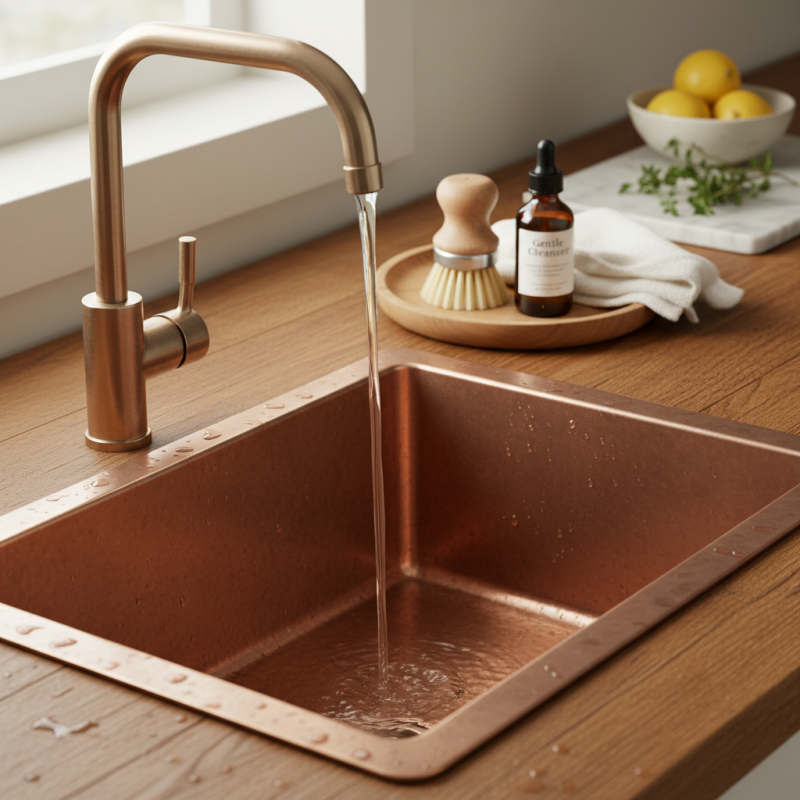
Handmade sinks are beautiful and unique. However, they do have vulnerabilities. These sinks can chip, scratch, or stain if not properly cared for. Understanding these risks can help you protect your investment.
To start, avoid placing heavy items directly on the sink surface. A sudden impact can lead to unsightly chips. Instead, use a soft mat or cloth when washing heavier pots. Another risk comes from harsh chemicals. Certain cleaners can damage the finish. Opt for mild, natural soaps to maintain the sink’s integrity.
Regular maintenance is crucial. Wipe your sink after each use to prevent stains from setting. Consider sealing the sink surface periodically. This can create a protective barrier against damage. Finally, be cautious with hot items. Placing hot pans directly onto the sink can cause thermal cracks.
Handling your handmade sink with care allows its beauty to last. Embrace these tips to enjoy your unique piece for years.
Handmade sinks require special care to maintain their beauty and functionality. Regular cleaning is crucial. Use mild soap and a soft cloth to wipe down the sink. Avoid abrasive cleaners, as they can scratch the surface. Rinse thoroughly to eliminate soap residue. Water spots can occur, so drying the sink after each use is beneficial.
Consider using a dedicated cleaning regimen. A mixture of vinegar and baking soda can help remove stubborn stains. Apply it gently, then rinse well. For deeper cleaning, a sponge or soft brush can be employed. Be cautious with scrubbing, as excessive pressure may damage the sink. Remember, it’s important to address any chipping or cracking promptly to prevent further damage.
This maintenance routine may seem tedious. However, neglecting it can lead to more serious issues down the road. Reflect on your cleaning habits. Are you giving enough attention to your sink? Regular care will extend the life of your handmade sink. It is worth the effort to preserve its unique charm and functionality.
When it comes to protecting handmade sinks, selecting the right protective finish is crucial. A study by the National Association of Homebuilders found that more than 40% of homeowners experience issues related to sink durability. This statistic highlights the importance of safeguarding your investment with appropriate finishes.
Polyurethane coatings are often recommended for their durability. They create a tough, water-resistant barrier that can withstand daily use. These coatings can repel stains and prevent scratches. However, they may not offer an ideal solution for all materials. They can also apply unevenly, leaving behind a less-than-perfect surface. Some artisans prefer using natural oils for a more authentic look. Natural finishes require more frequent reapplication, which can be a drawback.
Another option is epoxy resin, known for its strength and glossy finish. According to industry reports, epoxy can significantly enhance the resilience of a sink. Yet, it can be challenging to apply correctly, and imperfections during the curing process may result in air bubbles. Homeowners should weigh these factors carefully. Regular maintenance is still necessary, even with protective finishes. Finding the right balance between beauty and durability is a journey of trial and error.
Handmade sinks are beautiful additions to any kitchen or bathroom. However, they require special care to prevent heat and impact damage. Direct heat can crack or discolor these sinks. Always use a trivet when placing hot pots or pans on them. Aim for a protective surface between the sink and the heat source. A simple mat can make a significant difference.
Impact is another concern. Dropping heavy objects can lead to chips or cracks. Be mindful when handling utensils and cookware. Keep utensils organized to avoid accidental falls. It's worth considering that even minor scratches can lead to bigger issues over time. Consider regular maintenance checks to ensure your sink stays in top shape.
Another preventive measure involves understanding your sink's material. Each material behaves differently under stress. Therefore, using appropriate cleaning products is crucial. Some chemicals can weaken the surface. It’s better to err on the side of caution. Even small habits can help extend the life of your handmade sink. Pay attention and prioritize protection.
Caring for handmade sinks requires mindfulness and attention to details. One vital tip is to use gentle materials during cleaning. Avoid abrasive pads that can scratch the surface. Instead, use soft cloths or sponges. Mild dish soap works well for daily cleaning. This keeps your sink looking fresh without damage.
Temperature changes can harm handmade sinks. Always allow hot pots to cool before placing them in the sink. Rapid temperature shifts may lead to cracks or discoloration. Similarly, avoid leaving standing water for prolonged periods. It's a good practice to dry off any spills quickly.
When using your sink, consider the items you place in it. Heavy pots may cause unnecessary pressure. Be cautious with sharp utensils, as they can lead to chips. Reflecting on these practices allows you to appreciate the artistry of your handmade sink while ensuring its longevity. Implementing these careful habits helps maintain beauty and function over time.
: Use mild soap and a soft cloth. Avoid abrasive cleaners.
Mix vinegar and baking soda. Apply gently, then rinse thoroughly.
Yes, drying after each use helps prevent water spots.
Address any damage immediately to prevent further issues.
Yes, direct heat can cause cracks. Always use a trivet.
Organize utensils in your area. Be careful when handling cookware.
Yes, neglecting cleaning can lead to serious problems later.
Avoid strong chemicals that can weaken the sink's surface.
Check for damage regularly and maintain protective measures.
Yes, they can escalate into bigger issues if ignored.
Handmade sinks are beautiful and unique additions to any space, but they are also susceptible to various types of damage. To effectively learn how to protect handmade sinks from damage, one must first understand their vulnerabilities, such as chipping or scratching. Implementing essential cleaning practices, like using non-abrasive cleaners and avoiding harsh chemicals, is crucial for maintaining the sink's finish. Additionally, applying recommended protective finishes can enhance durability and resistance to stains.
Preventing heat and impact damage is vital; using trivets and avoiding dropping heavy items can help preserve the sink's integrity. Safe daily usage tips, such as using soft sponges and promptly addressing spills, further contribute to the longevity of handmade sinks. By following these guidelines, you can ensure that your handmade sink remains a stunning centerpiece for years to come.

Nura Kitchen