In today’s fast-paced kitchen environments, efficiency is paramount. Deep sinks have emerged as a vital feature for busy cooks and professional chefs alike. According to Lisa McCarthy, a kitchen design expert with over a decade of experience, "The depth of a sink can drastically transform how chefs manage their cooking space." Her insights highlight the necessity of understanding how deep sinks improve kitchen efficiency.
Deep sinks cater to various tasks, allowing for the ease of washing large pots and pans. This design minimizes water splashes, keeping the workspace clean and organized. Furthermore, they provide ample space for soaking items, which ultimately saves time. In a world where every second counts, these features clearly enhance culinary workflows.
However, not all deep sinks are created equal. Selecting the right materials and dimensions is crucial. It is easy to overlook drainage and accessibility. Misjudgments here may lead to frustration during peak cooking times. A well-designed deep sink can offer significant benefits, but one must ensure that it aligns with the kitchen’s overall workflow. Balancing aesthetics and functionality is often challenging but essential for creating an efficient cooking environment.
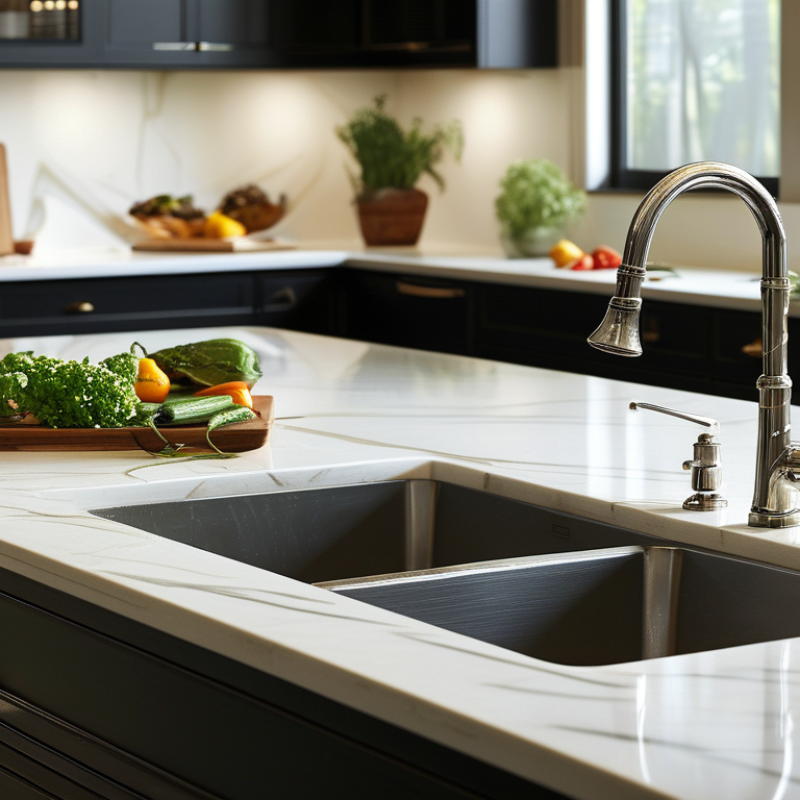
Deep sinks have become a must-have feature in modern kitchens due to their efficiency. One essential aspect is their size. With deeper basins, you can easily wash larger pots and pans without splashing water everywhere. This reduces mess and saves time when cleaning up after meals. According to a report from the National Kitchen and Bath Association, homeowners prefer deep sinks for both style and functionality, stating that 87% find them crucial for daily kitchen tasks.
Another important feature is the material. Stainless steel sinks are popular due to their durability and resistance to stains. A study by the American Society of Interior Designers found that 63% of designers recommend stainless steel for its low maintenance. However, not all stainless steel is the same; quality varies, and homeowners should consider thickness and gauge. A lesser-quality sink may dent easily or be prone to corrosion, requiring more frequent replacements.
Additionally, having integrated accessories, such as cutting boards or colanders, enhances utility. These features not only maximize space but also streamline food preparation. However, they can lead to clutter if not properly organized. Keeping these accessories handy is key, yet it’s easy to misplace them amid daily kitchen chaos. Balancing function with aesthetically pleasing options requires thought and planning, which can be a challenge for many homeowners.
Optimal sink depth plays a crucial role in kitchen workflow and space utilization. A deep sink allows for larger pots and pans to be soaked or washed without splashing water everywhere. This keeps the kitchen clean and organized. It supports a more efficient cleaning routine, especially after meal preparation. You can rinse vegetables or wash large dishes with ease.
Consider your height when choosing sink depth. A sink that’s too deep may strain your back while washing. Conversely, a shallow sink can limit your ability to clean larger items thoroughly. Find a balance that works for you. Additionally, think about the layout of your kitchen. The placement of your sink can either enhance or hinder workflow.
Tip: Maximize your workspace around the sink. Keep dish soap and sponges within reach. A clutter-free area reduces distractions and improves efficiency. Another suggestion is to integrate a cutting board over the sink. It adds extra prep space without taking up valuable counter real estate. Ultimately, the right sink depth paired with thoughtful design can lead to a more functional kitchen.
| Tip | Description | Impact on Kitchen Efficiency |
|---|---|---|
| 1. Optimal Depth | Choose a sink depth that complements your kitchen tasks. | Prevents back strain and improves comfort during use. |
| 2. Double Bowl Design | Separate bowls for food prep and cleanup. | Enhances workflow and reduces task overlap. |
| 3. Adequate Drainage | Ensure proper drainage to avoid waterlogging. | Keeps workspace clean and safe. |
| 4. Additional Accessories | Incorporate accessories like cutting boards and colanders. | Boosts functionality and versatility. |
| 5. Height Considerations | Adjust sink height for accessibility. | Reduces strain on back and arms. |
| 6. Under-Mount Feature | Opt for an under-mount sink for seamless integration. | Simplifies cleaning and enhances aesthetics. |
| 7. Material Choice | Select durable materials like stainless steel. | Improves longevity and reduces maintenance. |
| 8. Feng Shui Considerations | Position the sink to enhance energy flow. | Creates a more inviting and functional space. |
| 9. Evidence-Based Layout | Layout based on cooking styles and routines. | Enhances workflow and reduces frustration. |
| 10. Regular Maintenance | Keep the sink clean and in good repair. | Ensures high efficiency and longevity. |
When considering kitchen sinks, the choice of material is crucial. Stainless steel and composite sinks are popular options, each having unique advantages in terms of durability. According to a study by the National Kitchen and Bath Association, stainless steel sinks are favored for their resistance to heat and stains. They typically last longer than their composite counterparts. However, they can dent or scratch easily, which may compromise their long-term appeal.
On the other hand, composite sinks often combine materials like granite and acrylic. This gives them a high level of durability. A report from the American Society of Interior Designers indicates that composite sinks can withstand harsh chemicals better than stainless steel. Yet, they may fade over time with exposure to heavy sunlight.
For kitchen efficiency, here are some tips: Opt for a deep sink to accommodate larger pots and pans. This not only saves time during washing but also reduces splatter on countertops. Additionally, choose a material that complements your kitchen style while providing functionality. Your sink should reflect both aesthetics and practicality. Remember, the right sink can enhance your daily cooking experience and streamline your kitchen's workflow.
In kitchen design, ergonomics plays a vital role in enhancing efficiency. The proper height and placement of deep sinks can significantly reduce physical strain. According to a report by the American National Standards Institute, working at an ergonomic height minimizes back strain by 45%. This statistic highlights the importance of sink design in daily tasks like washing dishes.
Users often overlook the significance of sink depth. A sink that is too shallow may lead to messy spills and back pain. A deeper sink allows for more comfortable handling of pots and pans. A study published by the International Journal of Industrial Ergonomics suggests that sinks should ideally sit between 32 to 36 inches from the floor for optimal comfort. This can help reduce repetitive strain injuries caused by bending or reaching awkwardly.
Placement is equally important. Sinks located near cooking and prep areas can streamline workflow. This positioning reduces unnecessary movement and helps in maintaining focus during meal preparation. However, many kitchens still feature poorly planned sink locations, leading to frustrating cooking experiences. Proper design should consider user habits, making sure that essential tasks flow smoothly without causing discomfort.
Choosing the right deep sink can significantly simplify your kitchen maintenance. A deep sink allows for more flexibility during washing. You can easily wash larger pots and pans without splashing water everywhere. This feature can help keep your kitchen cleaner, leading to a more organized cooking space.
When selecting a deep sink, material matters. Durable materials like stainless steel or fireclay resist stains and damage. They also clean more easily, saving time on scrubbing. However, keeping these sinks spotless can require a bit of effort. Water spots and scratches may appear over time, demanding regular attention.
Consider the sink's design too. Sinks with rounded corners may be easier to clean than square ones. However, they can also collect debris in the curves that require extra care. A thoughtful choice in design can enhance both cleanliness and efficiency. Maintaining a deep sink requires consistent cleaning habits. This practice ensures your kitchen remains efficient and ready for your next culinary adventure.
: Deep sinks are preferred for their efficiency. They help wash larger pots without splashing water everywhere.
A deeper sink allows for easy soaking and washing of big items. This keeps the kitchen clean and organized.
Durable materials, like stainless steel and fireclay, resist stains. They require less maintenance compared to other materials.
Consider your height to avoid straining your back. Balance is vital to handle both large and small items effectively.
Keep dish soap and sponges within reach. Integrating a cutting board over the sink can add extra prep space.
Rounded corners can make cleaning easier but may trap debris. Choose a design that balances aesthetics and functionality.
While versatile, they can become cluttered with accessories. Proper organization is essential to maintain efficiency.
Regular cleaning is necessary to prevent water spots and scratches. Consistent habits keep the sink looking its best.
Yes, they streamline prep work but may clutter if not organized. Finding a balance is crucial for kitchen efficiency.
Sinks can collect water spots and scratches over time. Regular attention is required to keep them clean and functional.
Deep sinks are invaluable assets in enhancing kitchen efficiency, offering several essential features that streamline tasks. The optimal sink depth plays a significant role in influencing workflow and space utilization, allowing users to manage kitchen duties with ease. By comparing materials like stainless steel and composite sinks, we understand their durability and suitability for intensive use. Moreover, ergonomic design considerations, such as proper sink height and placement, can significantly reduce strain on users, making meal preparation and cleanup more comfortable.
Maintenance is another critical factor, as selecting the right deep sink can simplify cleaning routines and keep kitchens organized and efficient. Ultimately, knowing how deep sinks improve kitchen efficiency empowers homeowners and chefs alike to create a functional cooking environment that enhances productivity and reduces physical stress.

Nura Kitchen