Benefits of Sinks with Cutting Boards for Your Kitchen Needs?

Time:2026-05-05 Author:Sienna
0%

In modern kitchens, efficiency and style go hand in hand. The question of "what are the benefits of sinks with cutting boards" opens a door to innovative kitchen solutions. According to Laura McLeod, a renowned kitchen design expert, “Sinks with cutting boards streamline food prep, making cooking a joyful experience.” This illustrates how such designs can enhance kitchen workflows.

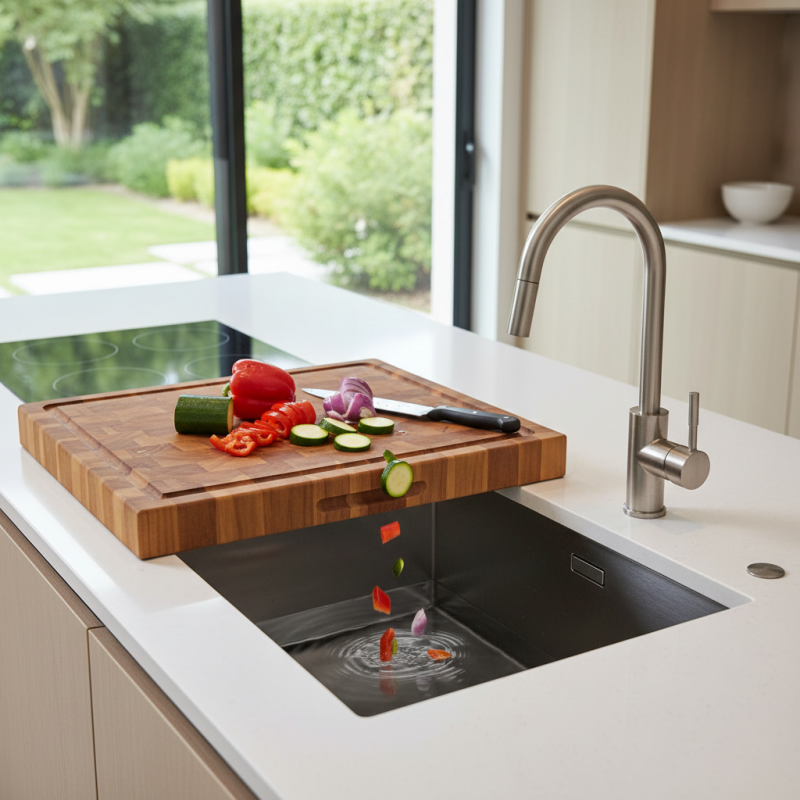
These sinks create a seamless transition between washing and chopping. Imagine the convenience of sliding fresh vegetables directly from the cutting board into the sink. It eliminates mess and saves time. Moreover, having a cutting board positioned over a sink optimizes counter space, which is often a challenge in many kitchens.

However, it's essential to pick the right materials. Not all cutting boards are suitable for every sink, and some might wear down quickly. Consider durability and maintenance when choosing. Ultimately, with creative design and practical functionality, sinks with cutting boards bring value to any kitchen.
Benefits of Sinks with Cutting Boards for Your Kitchen Needs?

Benefits of Combining Sinks with Cutting Boards in Modern Kitchens

Combining sinks with cutting boards transforms modern kitchens into efficient workspaces. This design maximizes limited counter space. You can chop vegetables and wash them instantly, eliminating unnecessary movements. The seamless integration of these elements enhances workflow and organization.

This combination fosters meal prep efficiency. Picture slicing fruits directly over the sink. When you're done, a quick rinse ensures everything is clean. Yet, consider the cleanliness of cutting boards. If not maintained properly, bacteria can thrive. Regular cleaning is a must to ensure safety.

Moreover, the aesthetic appeal of integrated sinks with cutting boards cannot be overlooked. Different materials, such as bamboo or plastic, add a unique touch to kitchen decor. However, the varying durability may lead to unexpected wear over time. Some surfaces scratch easily, requiring careful selection to maintain their visual charm. These considerations highlight the balance between functionality and appearance in kitchen design.

Maximizing Kitchen Space: The Functional Design of Sinks with Cutting Boards

Designing a functional kitchen space requires careful planning. Sinks with cutting boards offer a unique solution. These innovative sinks maximize counter space while enhancing workflow. They allow you to chop, rinse, and prepare food all in one spot. This design reduces clutter and makes cooking more efficient.

When choosing a sink with a built-in cutting board, consider your cooking habits. A larger board provides ample space for meal prep, but it may require more storage. Not every kitchen can accommodate a big setup. This approach can lead to overcrowding if not planned properly. Reflect on your needs; sometimes, less is more.

These sinks also add versatility. You can use the cutting board for serving or even as a makeshift counter during gatherings. However, they can be a challenge to clean. Food particles may get stuck between the board and the sink. This could lead to hygiene concerns over time. Regular maintenance is key to keeping it functional and safe. Careful consideration is essential to reap the full benefits of this design.

Enhancing Food Preparation Efficiency with Integrated Cutting Boards

Integrating cutting boards into kitchen sinks can significantly enhance food preparation efficiency. This combination saves time and minimizes mess. For example, a built-in cutting board allows you to chop vegetables and immediately rinse them in the sink. This fluid motion eliminates the need to transfer ingredients between different surfaces. As a result, you can focus on cooking rather than cleaning up.

Moreover, these sinks often feature space-saving designs. They make the most of limited kitchen space while providing an extra work surface. However, some users might find that cleaning the integrated boards can be challenging. It’s important to ensure they are properly maintained to avoid bacteria buildup. Regular care can enhance the lifespan of both the sink and the cutting board.

While the convenience is undeniable, one must consider their cooking habits. For those who do minimal chopping, this feature may seem unnecessary. Nevertheless, for avid cooks, the benefits are substantial. Enhanced efficiency and easy cleanup can transform your cooking experience. Kitchen design should reflect personal cooking styles, and integrated solutions offer functional elegance.

Benefits of Sinks with Cutting Boards for Your Kitchen Needs

Feature Description Benefits
Integrated Design Cutting boards are built into the sink area. Saves space and creates a seamless workstation.
Increased Efficiency Allows for quick transitions between washing and cutting. Reduces time spent on food prep.
Space Saving Combines two kitchen essentials into one unit. Maximizes counter space in smaller kitchens.
Easy Cleanup Food scraps can be easily rinsed into the sink. Streamlines the cleaning process.
Versatility Can be used for various food prep tasks. Accommodates different types of ingredients and dishes.
Customization Options Available in different materials and sizes. Allows personalization to fit kitchen aesthetics.

Improving Kitchen Hygiene through Built-in Sink and Cutting Board Features

Modern kitchens require innovation. Built-in sinks with cutting boards improve hygiene effectively. These dual-purpose features streamline food preparation. According to a study by the National Sanitation Foundation, improper cleaning leads to 75% of kitchen-related illnesses.

Using a cutting board over the sink minimizes space. It also reduces mess on countertops. You can wash veggies directly into the sink. This decreases the transfer of bacteria. A dedicated cutting space prevents cross-contamination, a common kitchen issue. Focus on food safety to safeguard your family’s health.

Consider these tips for improved kitchen hygiene:

  • Always clean your cutting board with hot, soapy water after use.
  • Use a separate board for meats. This simple step reduces the risk of cross-contamination.
  • Stay aware that even seemingly clean surfaces can harbor bacteria.
  • Regular maintenance of your sink and cutting board features is essential.
  • Address any wear and tear promptly. This will ensure a safe cooking environment.

Choosing the Right Sink and Cutting Board Material for Your Kitchen Needs

Choosing the right sink and cutting board material is essential for kitchen efficiency. Stainless steel is popular due to its durability and easy maintenance. It resists stains and can handle heat. A study by the National Association of Home Builders shows that kitchen sinks constitute 18% of remodeling budgets. This highlights their importance in kitchen planning.

Wooden cutting boards are favored for their aesthetics and functionality. They are gentle on knife edges and add warmth to the kitchen. However, they require proper care to avoid bacteria buildup. A report by the USDA indicates that 53% of foodborne illnesses originate from improperly sanitized surfaces in kitchens. This underscores the importance of regular maintenance.

Tips: Use a non-toxic mineral oil to treat wooden boards. This will prolong their life and inhibit bacterial growth. Additionally, consider a composite material for cutting boards. They combine the advantages of wood and plastic, offering better sanitation while remaining gentle on knives. Always ensure your sink and cutting board complement each other in design and functionality for a cohesive kitchen.

FAQS

: What are the benefits of integrated cutting boards in sinks?

: Integrated cutting boards save time and reduce mess during food preparation. They allow seamless chopping and rinsing in one area.

How do integrated cutting boards impact kitchen space?

They often have space-saving designs, providing extra surfaces without consuming additional kitchen space.

What is a challenge with integrated cutting boards?

Cleaning integrated boards can be tricky. Proper maintenance is crucial to prevent bacteria buildup on the surface.

How can I maintain my wooden cutting board?

Use non-toxic mineral oil regularly to treat wooden boards. This helps prevent bacteria and prolongs their lifespan.

Why is choosing the right material for cutting boards important?

The material affects durability, maintenance, and food safety. Different materials offer distinct advantages and limitations for kitchen use.

Are integrated cutting boards worth it for occasional cooks?

For those who chop minimally, integrated boards might seem unnecessary. Evaluating personal cooking habits is essential before purchasing.

What materials are recommended for cutting boards?

Stainless steel is durable and easy to maintain. Wood offers warmth but needs regular care to avoid issues with hygiene.

Can kitchen design incorporate personal cooking styles?

Yes, kitchen design should reflect individual cooking preferences. Integrated solutions may offer both elegance and functionality, depending on the cook’s style.

How does the choice of sink affect kitchen remodeling budgets?

Kitchen sinks make up a significant part of remodeling costs—around 18%. This highlights their importance in overall kitchen planning.

What should I consider when choosing a cutting board?

Consider functionality, aesthetics, and ease of maintenance. It’s crucial to select one that fits well with your sink for optimal use.

Conclusion

Sinks with cutting boards are becoming increasingly popular in modern kitchens, and understanding what are the benefits of sinks with cutting boards can significantly enhance your cooking experience. These integrated designs maximize kitchen space by combining two essential functions, allowing for a streamlined work surface that is both practical and efficient. The thoughtful layout improves food preparation by providing a dedicated area to chop, slice, and rinse ingredients, thus saving time during meal preparation.

Moreover, sinks with cutting boards contribute to better kitchen hygiene. With features that minimize cross-contamination and allow for easy cleaning, they promote a safer cooking environment. When choosing the right sink and cutting board material, consider durability and ease of maintenance to ensure they complement your culinary needs. Overall, the combination of sinks and cutting boards beautifully marries functionality with design, making them an excellent addition to any modern kitchen.

Sienna

Sienna

Sienna is a skilled marketing professional with a deep expertise in our company’s core products and services. With a passion for innovation and detail, she plays a pivotal role in crafting insightful blog posts that not only highlight the unique features of our offerings but also provide valuable......