Integrating sinks with countertops can transform any kitchen or bathroom. Yet, achieving a seamless look requires careful planning and expertise. According to Susan Thompson, a noted interior designer, “The key to a polished finish is in the details.” Her insight emphasizes meticulous attention to both the materials and installation processes.
Understanding how to integrate sinks with countertops seamlessly begins with selecting compatible materials. For instance, quartz countertops pair well with under-mount sinks, creating a unified appearance. Proper measurement is crucial; any miscalculation can lead to visible gaps. Choosing the right adhesive and sealant also matters. A perfect seal enhances durability and prevents water damage.
Despite the many professionals in the industry, mistakes do happen. Inexperienced installers may overlook essential steps, leading to dissatisfaction. It’s vital to prioritize quality over speed in such projects. Reflecting on these challenges can lead to better practices in the future. Integrating sinks with countertops flawlessly is achievable, but it requires both experience and a discerning eye.
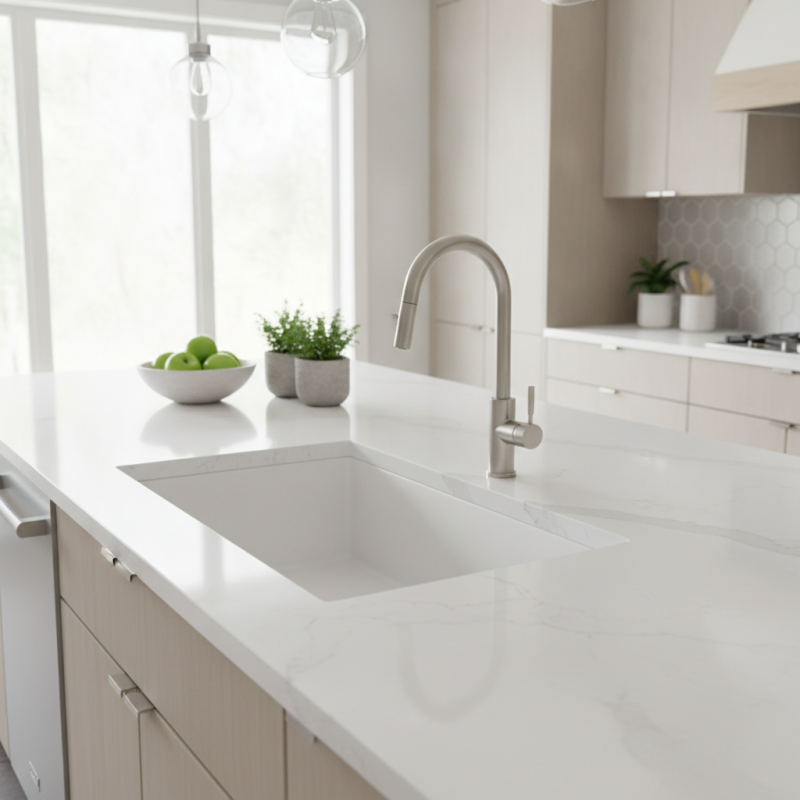
When choosing sink and countertop materials, consider compatibility for a seamless look. Some materials naturally integrate better than others. For instance, granite and quartz are durable and can create a cohesive aesthetic. According to industry reports, over 60% of homeowners prefer these materials for their longevity and style.
When selecting a sink, opt for options that fit well with your countertop choice. Stainless steel pairs excellently with stone countertops. Meanwhile, ceramic sinks offer a classic touch that complements wood surfaces. Remember, the thickness of your countertop impacts sink installation. A thick countertop might require a different sink mounting style, which can complicate installation.
Tip: Always measure carefully. Incorrect dimensions can lead to gaps, ruining the seamless integration.
Keep in mind maintenance needs. Some materials, like natural stone, require sealing to prevent stains. Others are easier to care for but may not provide the same luxury look. Assess your lifestyle and choose accordingly. Balancing aesthetics with practicality can lead to more reflective choices.
When preparing the workspace for sink installation, meticulous planning is essential. According to a recent survey by the National Kitchen and Bath Association, improper preparation leads to 60% of installation delays. Begin by clearing the area around the countertop. A clean space allows for movement and efficiency.
Next, ensure all tools are easily accessible. Commonly required tools include a jigsaw, level, and caulk gun. A lack of necessary tools can slow the installation process. Moreover, establish a dedicated zone for all materials, such as the sink and countertop. This prevents confusion and helps maintain organization during installation.
Consider also the plumbing setup. Inadequate preparation can result in leaks later. According to plumbing experts, almost 30% of post-installation issues arise from poor initial assessments. Take the time to check existing plumbing connections before beginning. Proper assessment prevents future frustrations and helps ensure a smoother workflow.
Achieving a seamless look between your sink and countertop can elevate the entire kitchen aesthetic. One effective technique is choosing a sink that matches the countertop material. This creates a unified appearance. For instance, using solid surface materials allows for seamless edges. The sink can be molded into the countertop, eliminating visual breaks.
Installation plays a crucial role in achieving that flawless transition. Skilled installation ensures that the sink aligns perfectly with the countertop surface. Gaps can lead to water damage, which could be disastrous over time. Take time to choose a reliable contractor. Their expertise can make a noticeable difference in the final outcome.
Another detail to consider is the color and finish. A subtle color variation can enhance the seamless effect, drawing attention to the overall design. However, mismatched finishes can disrupt the harmony. It's essential to visualize how the sink and countertop interact under different lighting conditions. Think carefully about your choices; they can truly define your kitchen style.
| Technique | Materials Used | Advantages | Considerations |
|---|---|---|---|
| Integrated Sink | Quartz, Granite | Seamless appearance, Easy to clean | Limited design options |
| Under-Mount Sink | Stainless Steel, Ceramic | Modern look, Prevents debris buildup | Requires precise installation |
| Flush-Mount Sink | Solid Surface, Concrete | Contemporary design, Customizable | Can be prone to cracking |
| Backsplash Integration | Tile, Stone | Enhances aesthetics, Protects walls | More challenging to install |
Proper sealing methods are crucial for preventing water leaks around sinks. A good seal keeps moisture at bay. Start by choosing the right sealing material for your sink and countertop. Silicone caulk is a popular option. It is flexible and waterproof. Remember to clean the surfaces before applying the sealant. Dirt and grease can compromise the seal.
Applying the sealant correctly is essential. Use a caulking gun to apply an even bead. Smooth the sealant with your finger or a tool for a seamless finish. Pay attention to the corners. These areas are prone to leaks. Mistakes can lead to water damage over time. It’s wise to double-check the seal after a few days.
Monitor your sink regularly for any signs of wear. Cracks or gaps can develop slowly. Addressing small issues early can save you from larger problems later. A solid, reliable seal around your sink protects your home. The effort put into proper sealing pays off. A well-integrated sink is not just about looks; it’s about longevity and functionality.
Integrating sinks seamlessly with countertops requires attention to detail.
Maintenance is key to ensuring this integration remains functional and aesthetically pleasing.
Regular cleaning helps preserve the look of both surfaces. Use a soft cloth and a gentle cleanser to avoid scratches.
For more challenging stains, consider using a non-abrasive sponge.
Sealing the countertop surface is crucial.
This protects against moisture and staining, especially in kitchens and bathrooms.
Reapply the sealant every few months or as needed. Inspect the seams regularly for any gaps.
An imperfection here can lead to water damage. Don’t overlook the faucet area;
clear debris often to prevent buildup.
Taking care of the sink is equally important. Choose the right materials that match well with your countertop.
Some materials are more prone to scratches or stains. Always use coasters for hot dishes to avoid damaging the surface.
Small habits make a big difference.
Keep an eye on how your sink and countertop age together.
Embrace the imperfections that come with wear; they tell a story.
: Workspace preparation prevents delays and ensures an efficient installation. A clean area allows for free movement.
Essential tools include a jigsaw, level, and caulk gun. Having easy access to these tools helps avoid slowdowns.
Establish a dedicated zone for all materials like the sink and countertop. This keeps everything organized and accessible.
Always assess existing plumbing connections before starting. This helps prevent leaks and post-installation issues.
Silicone caulk is highly recommended. It is flexible, waterproof, and ideal for preventing leaks around sinks.
Use a caulking gun for an even application. Smooth it out well, particularly in corners, to avoid leaks.
Regularly check for cracks or gaps. Early detection of issues can prevent more significant problems and damage.
Mistakes during sealing can lead to water damage over time. It’s crucial to pay attention for a durable seal.
Yes, double-check the seal after a few days. Ongoing maintenance is key to ensuring a long-lasting installation.
Integrating sinks with countertops seamlessly requires careful consideration of materials, workspace preparation, and installation techniques. First, selecting the right sink and countertop materials that complement each other is crucial for achieving a cohesive look. Proper preparation of the workspace ensures that the installation process goes smoothly, allowing for accurate measurements and secure fittings.
To enhance the seamless appearance, employ techniques that minimize visible seams, ensuring a uniform surface. Additionally, applying appropriate sealing methods around the sink will help prevent water leaks and potential damage. Finally, regular maintenance of both the sink and countertop is essential for preserving their integration and extending their lifespan. By understanding how to integrate sinks with countertops seamlessly, homeowners can achieve a beautiful and functional kitchen or bathroom design.

Nura Kitchen