Top 10 Reasons to Choose Granite Composite Over Stainless Steel Sinks?

Time:2026-05-11 Author:Aria
0%

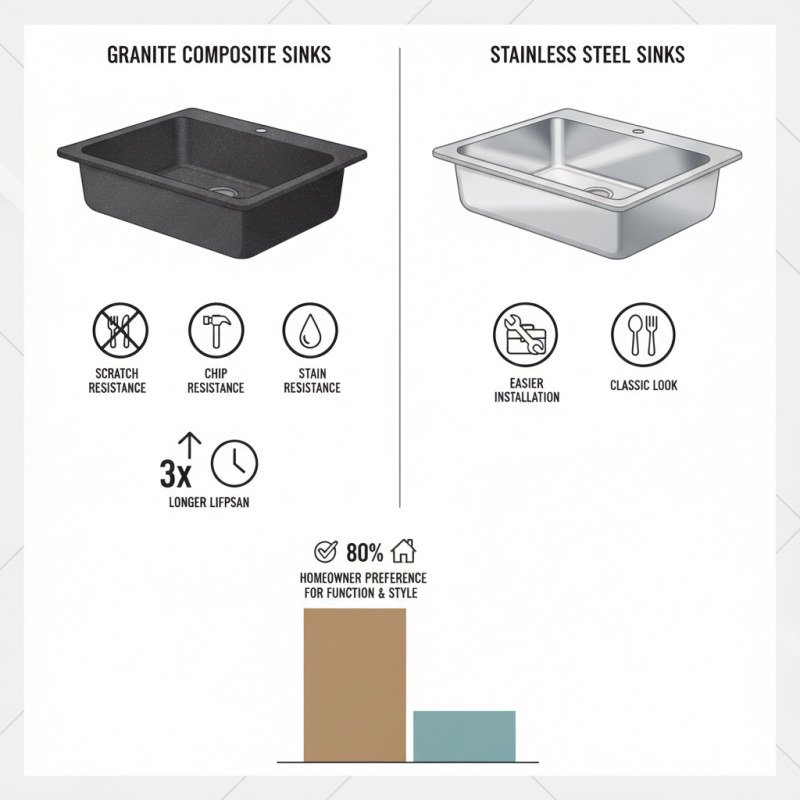
When considering kitchen sinks, many homeowners find themselves asking why choose granite composite vs stainless steel sinks. Granite composite sinks have gained significant popularity due to their durability and aesthetic appeal. According to the National Kitchen and Bath Association, 80% of homeowners prefer materials that combine functionality with style.

Granite composite sinks are engineered to resist scratching, chipping, and stains, making them an excellent choice for busy kitchens. Industry reports indicate that they can last up to three times longer than traditional stainless steel sinks. However, some may argue that stainless steel offers a classic look and easier installation.

Despite these concerns, the growing number of positive reviews and expert recommendations highlight the advantages of granite composite. As more homeowners prioritize quality and long-lasting investment, understanding the reasons to choose granite composite over stainless steel becomes crucial. It's worth examining both options closely to make an informed decision.
Top 10 Reasons to Choose Granite Composite Over Stainless Steel Sinks?

Benefits of Durability: Granite Composite vs. Stainless Steel Sinks

Granite composite sinks stand out for their impressive durability when compared to stainless steel sinks. Made from a blend of crushed stone and acrylic resins, these sinks resist scratches, chips, and stains. The surface is non-porous, which means it won't harbor bacteria or absorb odors. In a busy kitchen, this feature becomes invaluable for maintaining hygiene.

When it comes to maintenance, granite composite sinks require simple care. Regular cleaning with mild soap keeps them looking fresh. It’s wise to avoid harsh chemicals that can dull the finish. A flat sponge or a soft cloth works best for everyday use. When spills occur, don’t wait too long to clean them; this can help prevent staining.

Some users might worry about the weight of granite composite. It can be heavier than stainless steel, so ensure your cabinetry can support it. Additionally, color options abound but can fade over time. Choosing lighter colors may lead to visible scratches over years. Keep this in mind when selecting your sink to balance aesthetics with practicality.

Aesthetic Appeal: Design Options in Granite Composite Sinks

Granite composite sinks offer striking aesthetics that elevate any kitchen design. Their unique textures and colors provide a wide array of options. Homeowners can choose from deep blacks, vibrant whites, or soft earth tones. Each sink has a natural beauty, mimicking the look of stone without the high maintenance.

Unlike stainless steel sinks, which can appear cold or industrial, granite composite brings warmth into the space. The surface is often matte, preventing fingerprints and scratches. This quality adds to its charm. However, potential buyers may notice that colors can fade over time. Proper care is needed to maintain the original look.

Customization is another perk. Some granite composite sinks come in various shapes and sizes. This flexibility allows integration into any kitchen layout. But it’s essential to measure carefully before purchase. A mismatch with cabinets or countertops could create a visual conflict. Selecting the right design is crucial for harmony in your kitchen.

Maintenance and Cleaning: Comparing Granite Composite and Stainless Steel

When considering sinks, maintenance is a significant factor. Granite composite sinks offer unique advantages over stainless steel. They resist stains and scratches better than metal counterparts. This makes them easier to keep clean. A simple wipe down with soap and water usually does the trick. No harsh chemicals are needed.

Stainless steel sinks can be prone to water spots and scratches. Their surface requires more attention to maintain a polished look. If you neglect cleaning, these spots can become quite noticeable. In contrast, granite composite remains visually appealing even with minimal care. However, it's essential to remember that granite composite can chip if mishandled. This vulnerability is something to reflect upon when choosing.

Ultimately, both sink materials require proper care. Granite composite is often more forgiving and requires less frequent deep cleaning. Stainless steel needs regular polishing to avoid showing wear and tear. Each material has its pros and cons. Consider your lifestyle before making a decision.

Cost-Effectiveness: Long-Term Value of Granite Composite Sinks

Granite composite sinks are becoming popular due to their cost-effectiveness and long-term value. They offer robust durability, standing up to the test of time. Unlike stainless steel, they resist scratches and chips, making them a wise investment. This resilience can save homeowners money on replacements and repairs.

Over the years, granite composite sinks maintain their pristine appearance. While the initial cost may be higher, the longevity makes up for it. Homeowners may find themselves needing fewer repairs compared to stainless steel options. This shift offers peace of mind and a sense of security.

However, some may question the durability of granite composite against heavy-duty use. Parties or large family dinners can put any sink to the test. Regular care is essential for maintaining the finish and avoiding stains. It's clear that with proper maintenance, granite composite can outlast its counterpart and save money in the long run. Choosing wisely means considering not just the price, but the overall value for your home.

Cost-Effectiveness: Long-Term Value of Granite Composite Sinks

Noise Reduction Features in Granite Composite Sinks vs. Stainless Steel

Granite composite sinks offer superior noise reduction compared to stainless steel. Noise can be a common issue in kitchen environments. When you drop utensils or run water, the sound can echo in metal sinks. Granite composite materials absorb sounds, creating a quieter workspace.

The construction of granite composite involves a blend of crushed granite and acrylic resins. This combination adds density, effectively muffling sounds. Users often notice a significant reduction in noise. It creates a more peaceful kitchen atmosphere, which can be especially beneficial during busy cooking hours.

Some might overlook these features when choosing sinks. Noise may not seem like a critical factor. However, in everyday use, a quiet sink enhances the overall kitchen experience. The subtlety of reduced noise can transform how you interact with your kitchen. It is worth reflecting on how much sound affects your cooking and cleaning routines.

FAQS

: What makes granite composite sinks attractive?

: Their unique textures and colors enhance kitchen aesthetics. Options range from deep blacks to soft earth tones.

How do granite composite sinks differ from stainless steel?

They offer warmth and a matte finish, avoiding cold and industrial looks. Fingerprints and scratches are less visible.

Do granite composite sinks maintain their appearance over time?

Yes, but colors may fade without proper care. Regular maintenance is needed to preserve their original beauty.

Are granite composite sinks customizable?

Yes, they come in various shapes and sizes, allowing for integration into different kitchen layouts. Measuring is critical.

Are granite composite sinks cost-effective in the long run?

Yes, their durability reduces the need for replacements and repairs. They often maintain their pristine look over time.

Can granite composite sinks withstand heavy use?

They are durable but require regular care, especially during parties or large family gatherings, to avoid stains.

What should homeowners consider before purchasing a sink?

It's important to measure accurately to prevent mismatches with cabinets or countertops. Design selection impacts harmony in the kitchen.

Is the initial cost of granite composite sinks high?

Yes, but their longevity and lower repair needs may justify the price for long-term value.

How does regular maintenance affect granite composite sinks?

Proper care helps maintain finish and appearance, ensuring the sink looks good for years.

What are some potential issues with granite composite sinks?

Colors can fade over time, and careful maintenance is vital to avoid scratches or stains.

Conclusion

When considering why choose granite composite vs stainless steel sinks, several compelling factors come into play. Granite composite sinks are renowned for their exceptional durability, often outlasting traditional stainless steel options. This resilience makes them a more appealing choice for busy kitchens. Aesthetic appeal is another significant advantage; granite composite sinks come in various colors and designs, allowing homeowners to find a perfect match for their kitchen decor.

Maintenance is also crucial; granite composite generally requires less upkeep than stainless steel, which can show scratches and fingerprints easily. In terms of cost-effectiveness, while granite composite may have a higher upfront price, its longevity and low maintenance needs translate into long-term savings. Furthermore, the superior noise reduction features of granite composite sinks enhance the overall kitchen experience, making them a strong contender in the sink selection process.

Aria

Aria

Aria is a dedicated marketing professional with a deep passion for innovative strategies and a keen understanding of our company's product offerings. With a wealth of experience in the industry, Aria excels at crafting engaging content that highlights the unique features and benefits of our......