In modern kitchen design, functionality and aesthetics go hand in hand. A report from the National Kitchen & Bath Association indicates that 80% of homeowners prioritize workspace efficiency. This highlights the importance of "how to optimize kitchen workspace with integrated sinks." These sinks not only save space but also streamline food preparation and cleanup processes.
Integrated sinks can enhance the overall workflow in kitchens. According to a study by Houzz, kitchens with integrated sinks are 30% more efficient in use. These designs allow for a seamless transition between cooking, cleaning, and dining. However, challenges arise with installation and maintenance. Proper planning is crucial to harness their full potential.
Still, some homeowners underestimate the benefits of this integration. The visual appeal can sometimes distract from the practical advantages. Investing in these upgrades might seem costly initially, but the long-term convenience and time savings often justify the expense. Reflection on past renovations shows that kitchen efficiency should be a primary consideration.
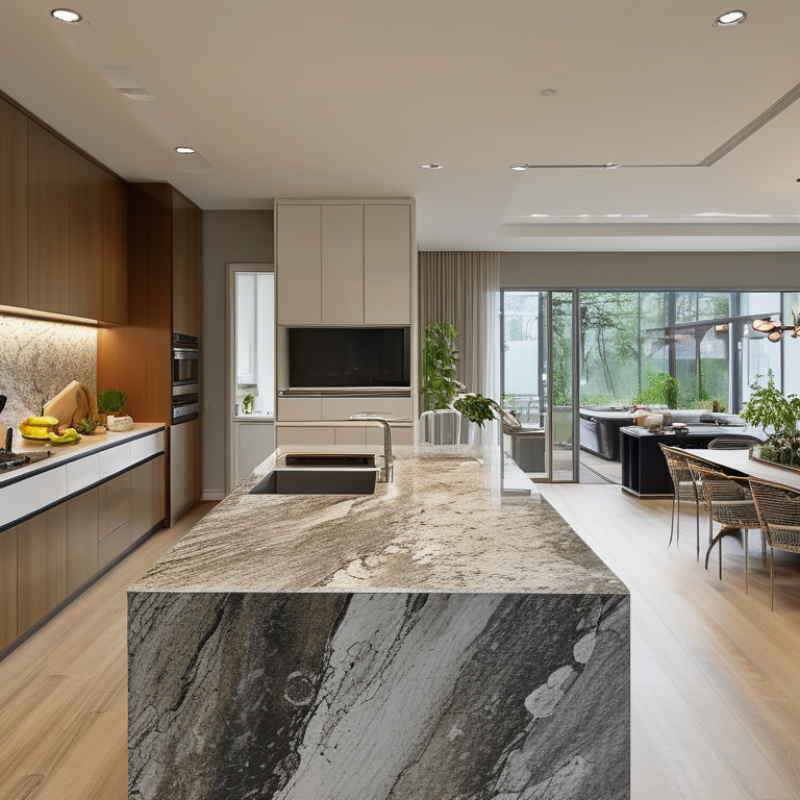
Benefits of Integrated Sinks in Kitchen Workspaces
Integrated sinks are an excellent addition to modern kitchen workspaces. They maximize efficiency by offering a seamless look. Without seams between countertop and sink, cleaning becomes more manageable. You won’t have to scrub those hard-to-reach areas anymore. This integrated approach creates a cohesive design that blends functionality with aesthetics.
One of the significant benefits is minimal water pooling. Standard sinks can trap water, leading to stains and mildew. With an integrated sink, water flows effortlessly into the basin. This simple design choice can save you time and effort on maintenance. Additionally, the uniform surface allows for easier food preparation. You can chop vegetables directly beside the sink, making cooking more streamlined.
However, the installation process can be tricky. It requires precise measurements and skilled workmanship to ensure a perfect fit. If not done correctly, it can lead to drainage issues. Reflecting on this can help you plan better. Consider consulting professionals to avoid future hassles. Integrated sinks may be a worthwhile investment, but do your research to ensure it suits your lifestyle.
Choosing the Right Location for Your Integrated Sink
Choosing the right location for your integrated sink is crucial for optimizing your kitchen workspace. The sink should be easily accessible from cooking areas. Place it near the stove to streamline meal preparation. This arrangement minimizes the distance between washing and cooking.
Consider your workflow when positioning the sink. Ensure it’s within reach of the refrigerator and counter space. This setup simplifies the process of moving ingredients from one area to another. Adding a small prep station next to the sink can improve efficiency.
When planning the sink’s location, be mindful of potential obstructions. Avoid placing it directly in front of cabinet doors or appliances. Create enough room for movement around the sink area. Take note of the plumbing requirements, as these can impact your design choices.
Tips: Think about natural light. If possible, place the sink near a window. This feature enhances visibility while working. Good lighting can also make washing dishes feel less tedious. Additionally, consider integrating storage solutions under the sink. This area can help you keep cleaning supplies organized and accessible, which is essential for a functional kitchen.
Design Tips for Seamless Integration of Sinks and Countertops
In modern kitchen design, the integration of sinks and countertops has become a crucial aspect of functionality and aesthetics. Research indicates that an optimized kitchen workspace can increase cooking efficiency by up to 20%. Seamless integration not only enhances the visual appeal but also minimizes the risk of spills and leaks. A well-integrated sink and countertop setup can create a clean, uninterrupted surface that is both practical and beautiful.
To achieve this, consider using materials that match your countertops closely. For instance, solid surface materials can be molded to create a smooth transition. It's essential to select a sink that complements the shape and style of your countertop. This not only enhances visual harmony but also eliminates seams where dirt can accumulate. Additionally, ensure adequate depth and bowl size for functionality.
Tip: Choose an undermount sink for a sleek look and easy cleaning. Also, think about the placement of your sink for optimal workflow. A location near the stove and refrigerator can significantly enhance meal prep efficiency. Remember, the integration should also accommodate your personal cooking style. Reflect on how you use your kitchen space daily and design accordingly. Balancing aesthetics with usability is key to creating a workspace that feels both inviting and practical.
Maximizing Efficiency with Sink Accessories and Organization
Creating an efficient kitchen workspace starts with thoughtful organization around the sink. An integrated sink can serve multiple functions. It’s essential to choose the right accessories that fit seamlessly into your daily routine. Consider installing a dish rack or a drying mat that fits snugly next to the sink. These solutions help keep your workspace tidy while allowing for easy access to essentials.
Incorporate storage solutions like under-sink organizers. They maximize space and reduce clutter. Using stacked bins for cleaning supplies or dish soap can streamline your workflow. Ensure that everything you need is within arm's reach. Hooks for kitchen towels can also prevent mess and promote cleanliness. Reflect on your workflow and identify areas that feel chaotic. Sometimes, we overlook our habits. Is your setup truly efficient, or does it require tweaks?
Lighting is another important factor. Ensure your sink area is well-lit. A bright workspace can enhance visibility while washing dishes or preparing food. If you find yourself fumbling in the dark, consider adding task lights. Small adjustments can lead to significant improvements in your kitchen efficiency. Embrace the journey of refining your space, and celebrate your progress as you go.
How to Optimize Kitchen Workspace with Integrated Sinks Tips? - Maximizing Efficiency with Sink Accessories and Organization
| Feature |
Description |
Benefits |
| Integrated Drain Board |
A built-in drying area adjacent to the sink. |
Saves space and makes drying dishes more efficient. |
| Pull-Down Faucet |
A tap with a flexible hose for easy rinsing. |
Provides versatile spraying options, reducing time at the sink. |
| Sink Caddy |
A storage solution for sponges and brushes. |
Keeps cleaning tools organized and within reach. |
| Under-Sink Storage |
Cabinets or organizers under the sink. |
Maximizes space for cleaning supplies and tools. |
| Cutting Board Cover |
A board that fits over the sink. |
Creates additional prep space and hides the sink. |
| Magnetic Knife Strip |
A strip mounted on the wall for knives. |
Keeps knives accessible and frees up counter space. |
Maintenance Tips for Integrated Sinks in the Kitchen
Integrated sinks are popular in modern kitchens due to their seamless design. However, proper maintenance is crucial for longevity and functionality. A survey by the National Kitchen and Bath Association revealed that 79% of homeowners prioritize ease of cleaning in their kitchen designs. Regular cleaning is essential to remove food particles and stains. Use mild detergents and avoid abrasive cleaners to maintain the sink's finish.
Another aspect to consider is drainage. Blocked drains can lead to costly repairs. A report from the American Society of Home Inspectors states that 25% of plumbing issues arise from poor maintenance. Periodically check for clogs and clean the drain with a natural mixture of baking soda and vinegar. This method is both effective and environmentally friendly.
Water quality can also affect integrated sinks. Hard water may lead to mineral buildups, which can damage sink surfaces over time. A 2022 study highlights that 85% of U.S. households experience hard water issues. Installing a water softener can reduce these effects. Remember that preventive measures are crucial for maintaining kitchen elements. Regular checks and adjustments can save future inconveniences.
Conclusion
In the quest to enhance functionality in kitchen spaces, understanding how to optimize kitchen workspace with integrated sinks is essential. Integrated sinks offer various benefits, including seamless design and improved workflow. When choosing the right location for your sink, consider proximity to cooking and prep areas to maximize efficiency. Design tips, such as selecting materials that match the countertops, can further enhance the overall aesthetic and functionality of the kitchen.
To truly optimize your kitchen workspace, utilizing sink accessories and organizational solutions can transform the way you operate. Items like cutting boards, drying racks, and dish organizers can streamline tasks and maintain a tidy area. Lastly, regular maintenance is crucial for the longevity and hygiene of integrated sinks, ensuring that they remain a valuable asset in your kitchen design. By following these guidelines, you can create an efficient and visually appealing kitchen workspace.

 Nura Kitchen