In recent years, the kitchen has transformed into a multifunctional space. One notable trend is the rise of multifunctional sinks. These sinks serve various purposes, making them desirable for modern homeowners. According to kitchen design expert Sarah Gold, “Multifunctional sinks enhance efficiency and style in any kitchen.”
Many homeowners appreciate the versatility of these sinks. They often feature built-in cutting boards, colanders, and drying racks. This design optimizes space and minimizes clutter. However, not all multifunctional sinks fit every kitchen layout. Some may find them overwhelming due to their complexity.
Exploring why multifunctional sinks are popular in modern kitchens reveals deeper insights. These sinks cater to busy lifestyles, combining multiple functions in one area. Yet, they can lead to analysis paralysis when choosing the right features. Balancing aesthetics with functionality becomes a challenge, and not every choice suits personal preferences.
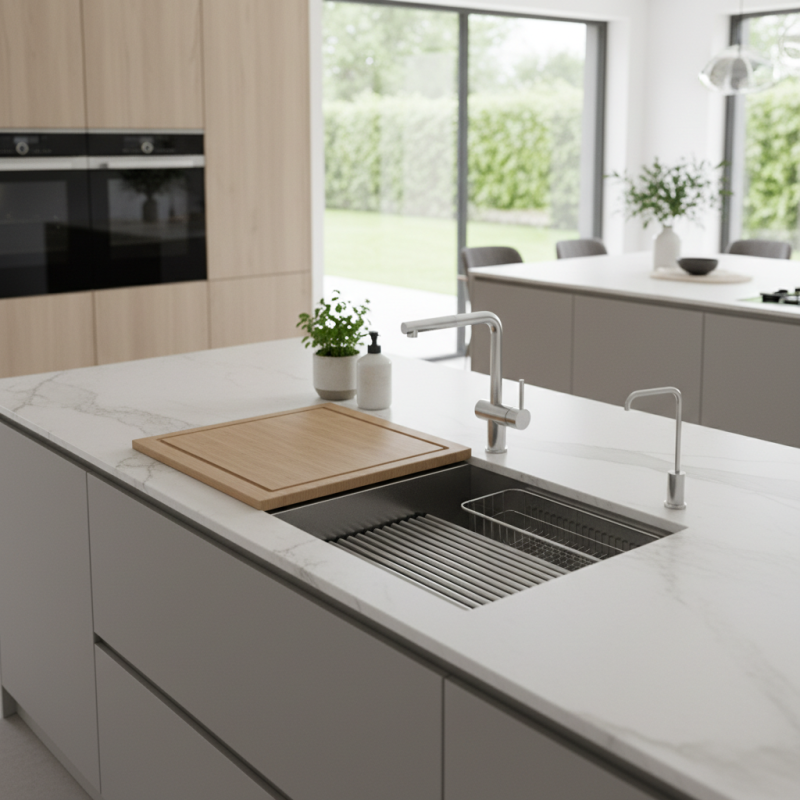
In recent years, multifunctional sinks have become a pivotal element in contemporary kitchen design. These versatile sinks allow for multiple tasks, from food prep to dishwashing, all within one space. They often feature integrated cutting boards, colanders, and even food processors. This combination transforms the kitchen into a more efficient workspace. Resourcefulness in design is key; every inch counts.
One can witness the appeal of these sinks through their smart layouts. Many designs prioritize ease of use and accessibility. A well-placed sink can promote a seamless workflow. However, limitations exist. The larger the sink or more features it has, the more counter space it consumes. This can lead to a crowded kitchen if not planned properly.
The aesthetics of multifunctional sinks also play a crucial role. They showcase modern finishes and styles that can elevate the kitchen's overall look. Yet, maintaining these sinks can be daunting. With added features come additional cleaning responsibilities. It's important to consider both functionality and maintenance before choosing a design. In a world increasingly focused on multitasking, these sinks may need to be questioned for balance between convenience and practicality.
Multifunctional sinks are becoming a must-have in modern kitchens. These sinks offer various features that simplify daily tasks. They can include built-in cutting boards, colanders, and even drying racks. This versatility saves space and time during meal preparation. Home cooks can chop vegetables while rinsing them, all in one area.
A multifunctional sink can also enhance organization. Many models feature compartments designed for specific tasks. This means less mess on the counter. Additionally, some sinks come with adjustable heights. This flexibility can suit different cooking styles and preferences. Overall, these features create a more efficient workflow.
However, choosing the right multifunctional sink can be overwhelming. Some options may lack durability or easy maintenance. Users often need to weigh design against practicality. It's important to consider how each feature aligns with personal cooking habits. What works for one person may not work for another. Reflecting on specific needs may reveal which features truly add value.
Multifunctional sinks are becoming a staple in modern kitchens. They offer a range of features that simplify daily cooking tasks. Imagine a sink that can serve as a washing station, food prep area, and even a drying rack. This versatility saves both space and time. Cooking becomes more efficient when everything you need is within arm's reach.
One key advantage is the ability to multitask. You can wash vegetables while pasta is boiling. The integrated cutting board allows for easy preparation. But there are challenges that come with these designs. Not every kitchen has the space for such a sink. Some setups might feel cramped. Users may also find themselves overwhelmed by too many features.
Consider the aesthetics as well. A sleek, multifunctional sink can elevate a kitchen's look. But, it requires regular cleaning. Those hidden nooks can gather grime. Balancing style and practicality can be tricky. Choosing the right sink means reflecting on individual needs and kitchen layout. It's not a one-size-fits-all solution.
This chart illustrates the advantages of using multifunctional sinks in daily cooking tasks, highlighting key aspects that contribute to their popularity in modern kitchens.
The rise of multifunctional sinks in modern kitchens can be traced back to changing design trends and the needs of contemporary lifestyles. According to a recent report by the Kitchen & Bath Association, around 70% of homeowners are seeking versatile kitchen solutions. Multifunctional sinks now come with built-in cutting boards, colanders, and drying racks, optimizing space in smaller kitchens. These additions allow for seamless transitions from food prep to clean-up.
Moreover, the minimalist aesthetic is pushing homeowners towards designs that blend utility with elegance. Consumers prefer sleek, integrated sinks that enhance overall kitchen flow. A survey revealed that 65% of homeowners prioritize functionality in their kitchen renovations. While multifunctional sinks provide numerous advantages, they also require careful consideration. The complex features can lead to maintenance challenges. Users may find that these intricate designs can be more time-consuming to clean than traditional options.
The increasing emphasis on sustainability also influences sink design. Many multifunctional sinks utilize eco-friendly materials or reduce water usage. However, this trend can complicate choices for consumers unsure about quality and longevity. The demand for multifunctional spaces is ever-growing, yet there remains a need for clarity on balancing functionality and ease of use.
Multifunctional sinks are gaining popularity in modern kitchens. This trend mirrors changing consumer preferences, where practicality meets style. A sink that offers various functions is no longer just a necessity. It has become a statement piece that enhances the overall kitchen aesthetic.
People want more than just a place to wash dishes. They seek efficiency and convenience in their daily tasks. Multifunctional sinks can include features like integrated cutting boards, colanders, and even food prep spaces. These additions make meal preparation easier and quicker.
**Tip: Consider your kitchen layout when choosing a multifunctional sink.** The placement can affect usage. Make sure it fits seamlessly into your workflow.
While these sinks offer many benefits, they also come with challenges. Some users find them difficult to clean. Others may struggle with installation if they lack DIY skills. It’s crucial to weigh the pros and cons before making a choice.
**Tip: Look for removable components** that simplify cleaning. This feature can help maintain the sink's functionality without added stress. Investing in a multifunctional sink can lead to a more organized kitchen, but it's wise to consider your lifestyle first.
| Feature | Consumer Preference (%) | Reasons for Preference |
|---|---|---|
| Integrated Cutting Board | 45% | Space-saving and convenience |
| Built-in Drying Rack | 38% | Efficient drying of dishes |
| Sprayer Function | 55% | Versatile cleaning options |
| Sink with Garbage Disposal | 50% | Convenient waste management |
| Dual Basin Options | 42% | Enhanced functionality |
: Multifunctional sinks are designed with features like cutting boards, colanders, and drying racks for added convenience.
Around 70% of homeowners seek versatile kitchen solutions that save space and enhance functionality.
A minimalist aesthetic encourages sleek, integrated designs that elevate the overall kitchen flow.
Consider your kitchen layout. The sink's placement can greatly affect daily usage and efficiency.
Yes, some designs can be complex and time-consuming to clean compared to traditional sinks.
Look for sinks with removable components. This feature simplifies cleaning and upkeep.
Many options use eco-friendly materials and reduce water usage, catering to sustainability trends.
Yes, some users struggle with installation or find them difficult to clean, which can hinder their practicality.
Approximately 65% of homeowners prioritize functionality, making it a key aspect of kitchen design decisions.
While they enhance organization, consider your lifestyle to ensure they meet your specific needs effectively.
The trend of multifunctional sinks in modern kitchens is gaining momentum due to their innovative design and practicality. One reason why multifunctional sinks are popular in modern kitchens is their ability to enhance kitchen efficiency by combining multiple functions such as washing, rinsing, and food prep in one compact space. Their key features include integrated cutting boards, colanders, and drain systems that streamline cooking tasks, making them an essential element in contemporary kitchen design.
Furthermore, design trends that favor sleek, minimalist aesthetics and consumer preferences for versatile kitchen tools are driving the adoption of these sinks. As homeowners seek to maximize space and utility, multifunctional sinks emerge as a solution that not only meets practical needs but also complements the overall look of modern kitchens.

Nura Kitchen