When choosing a kitchen sink, many homeowners overlook the essential question: what features make a kitchen sink multifunctional? A sink is more than just a place to wash dishes; it should enhance your cooking experience. Multifunctional sinks come equipped with various designs and added features that cater to diverse kitchen tasks.
Many factors contribute to a sink's versatility. For instance, built-in cutting boards and colanders can save space and reduce clutter. Some sinks even have additional compartments designed for food prep, which can streamline meal preparation. However, choosing the right sink could be challenging. Each kitchen has unique needs and layouts. Not every sink will fit seamlessly into your space.
Durability and material also play critical roles in functionality. Stainless steel sinks are popular for their strength and ease of cleaning. However, they can scratch and dent over time. Alternatively, composite sinks can offer a stylish solution but might chip more easily. It's essential to reflect on what features matter most to you. Balancing aesthetics with practicality is key in kitchen design.
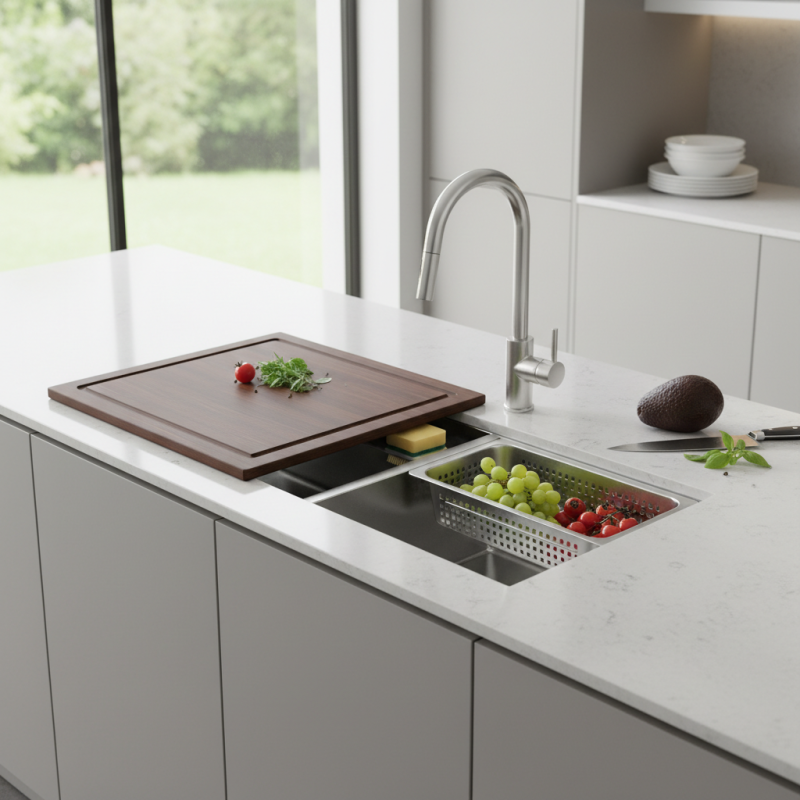
A multifunctional kitchen sink is more than just a sink. It needs design elements that enhance usability and efficiency. One essential feature is a deep basin. This allows for larger pots and pans to fit comfortably. It also minimizes splashing, making clean-up easier.
Another critical element is a built-in cutting board. This feature encourages meal prep right at the sink. It saves time and effort. Imagine chopping vegetables without needing to move across the kitchen. Additionally, including a colander integrated into the design offers a seamless way to rinse fruits and vegetables.
A pull-down faucet provides flexibility. It reaches every corner of the sink with ease. However, users may find that this feature requires regular cleaning. Multifunctional sinks can also have divided workspaces. This allows for cleaning and prepping simultaneously, but it may create clutter if not organized properly. Balancing space and functionality is key in kitchen design, as is ensuring that each component serves its purpose without overwhelming the space.
| Feature | Description | Benefits |
|---|---|---|
| Built-in Cutting Board | A cutting board that fits over the sink for easy food prep. | Saves space, simplifies food preparation, and minimizes mess. |
| Colander Functionality | Incorporated colander for easy rinsing and draining of foods. | Enhances usability, reducing the need for extra tools. |
| Pull-Down Faucet | A faucet with a flexible hose for easy maneuverability. | Improves reach and convenience for cleaning and rinsing. |
| Integrated Soap Dispenser | Built-in container for dish soap, usually near the faucet. | Keeps counter organized and reduces clutter. |
| Hot/Cold Water Dispenser | Separate tap for instantly dispensing hot or cold water. | Provides convenience for cooking and beverage preparation. |
| Adjustable Sink Depth | Ability to adjust the depth of the sink for different tasks. | Customizable use depending on task requirements. |
: A deep basin is crucial. It comfortably holds large pots and reduces splashing during use.
It allows for chopping and prepping near the sink, saving time and making cleanup easier.
It provides a seamless way to rinse fruits and vegetables right at the sink.
It offers flexibility and reaches all corners of the sink easily. However, it needs regular cleaning.
They allow for simultaneous cleaning and prepping but can easily become cluttered if not organized properly.
Stainless steel is popular for its durability, while composite sinks offer aesthetic versatility.
They can be noisy and cold, potentially affecting the kitchen experience.
They look great but may have limitations with heat resistance. Handle hot items carefully.
They withstand high temperatures and scratches but can be heavy, requiring extra support.
Each component should serve its purpose without overwhelming the available space. Reflections on layout can improve efficiency.
In exploring what features make a kitchen sink multifunctional, several key design elements come to light. Essential features include integrated drainboards, cutting boards, and colanders, which enhance usability by allowing for multiple tasks to be performed simultaneously. The use of innovative materials such as composite or stainless steel also contributes to a sink's versatility, offering durability and aesthetic appeal.
Furthermore, incorporating space-saving designs, such as undermount or farmhouse styles, optimizes kitchen layouts for efficiency. Advanced technology options, like built-in sensors or smart faucets, can enhance functionality further. Lastly, functional accessories—like sink caddies or soap dispensers—help maximize usability, making the kitchen sink an adaptable and essential element in modern cooking spaces. These components collectively transform a standard sink into a multifunctional centerpiece of the kitchen.

 Nura Kitchen