Maintaining a handmade kitchen sink is essential for durability and aesthetics. Industry expert John Smith, renowned for his insights on kitchen fixtures, emphasizes, "Proper maintenance extends the life of your handmade sink." According to a report by the National Kitchen and Bath Association, 60% of homeowners face issues due to neglecting maintenance.
Regular care preserves the sink's beauty and functionality. Handmade sinks are unique, often crafted from materials like copper or porcelain. These materials require specific cleaning methods to avoid scratches and discoloration. A gentle touch is necessary to maintain their charm. Many homeowners overlook this, leading to long-term damage and costly repairs.
Understanding how to maintain a handmade kitchen sink involves knowing the correct cleaning agents and techniques. Natural solutions, such as mild soap and baking soda, work wonders. However, some products can harm the finish. It's crucial to strike a balance. Regular inspections for stains and minor scratches can prolong their lifespan. Keeping an eye on these small details ultimately ensures lasting enjoyment without the regret of negligence.
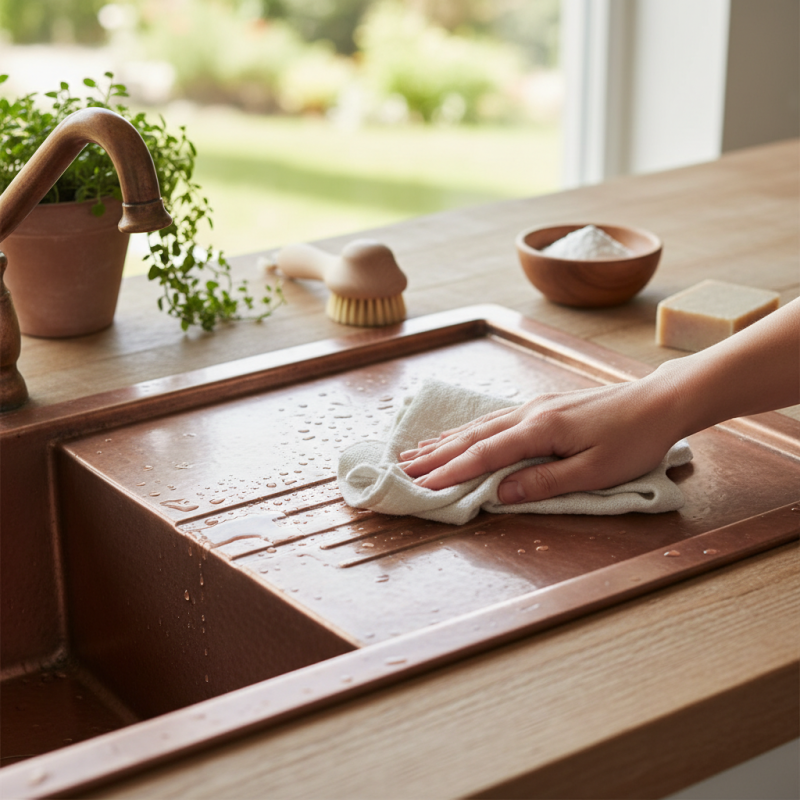
Handmade kitchen sinks come in various materials, each requiring specific care. Popular types include stainless steel, ceramic, and copper. Each material has unique properties, impacting how you should maintain them. Understanding these differences can extend the life of your sink.
Stainless steel sinks are durable but can scratch easily. Regularly clean them with a soft cloth and mild detergent. Avoid using abrasive sponges. Rinse the sink after use to prevent water spots.
Ceramic sinks offer a classic look but are prone to chipping. Handle with care during cleaning. Use a sponge and gentle cleanser. Regularly inspect for any cracks or chips. If you find any, address them quickly to avoid further damage.
Copper sinks require special attention. They can tarnish and develop a patina over time. Clean them with a mixture of vinegar and salt to maintain their shine. Make sure to dry the sink after cleaning. A little maintenance goes a long way.
Handmade kitchen sinks can last a lifetime if properly maintained. Cleaning is key to preserving their beauty. Start with warm water and mild soap. Avoid harsh chemicals; they can damage the surface.
Many people overlook the importance of drying. Water spots can form quickly. Use a soft cloth to dry the sink after each use. This simple step can prevent stains. Remember, even small neglect can lead to bigger issues later.
To maintain the finish, consider using natural oils. A few drops can enhance luster and protect the surface. Regularly inspect for scratches. A small scratch can turn into a major flaw if not addressed. Keep up with maintenance to ensure your sink remains a centerpiece in your kitchen.
| Cleaning Technique | Frequency | Recommended Tools | Surface Finish Impact |
|---|---|---|---|
| Mild Soap and Water | Daily | Soft cloth, sponge | No impact |
| Baking Soda Paste | Weekly | Sponge, soft brush | Gentle polishing effect |
| Vinegar Spray | Bi-weekly | Spray bottle, soft cloth | No impact |
| Soft Scrubbing Pad | Monthly | Soft scrubbing pad | Mild finish restoration |
| Professional Cleaners | Every 6 months | Professional products | Restores original shine |
Proper installation is crucial for the longevity of handmade sinks.
When fitting the sink, ensure it is level and securely anchored. This prevents unnecessary stress on the basin, which can lead to cracks. Take your time during this stage. Rushing can result in misalignment. Mistakes made here can be costly to fix later.
Consider using a high-quality sealant in the installation process. This will help prevent water damage and leaking. Pay attention to the edges where the sink meets the countertop. Proper sealing is vital. Inspect the installation periodically for signs of wear or degradation. Many overlook this step, thinking it is unnecessary.
Additionally, the choice of mounting hardware matters. Use corrosion-resistant materials to enhance durability. Inadequate supports can lead to serious damage over time. Some may find it tempting to use what’s readily available. However, investing in the right components will pay off in the long run. Installing a handmade sink correctly is an art that requires patience and attention, so don’t underestimate its importance.
Maintaining a handmade kitchen sink requires dedication and care. Regular preventive maintenance can save you from common issues. One frequent problem is drainage clogs. Food particles and grease can accumulate and cause slow drainage. To tackle this, run hot water down the drain regularly. You can also use a mixture of baking soda and vinegar to break down buildup.
Another issue is scratching and staining. While handmade sinks are durable, they are not impervious to wear. Use soft sponges or cloths for cleaning to prevent scratches. Avoid using harsh chemicals that can damage the surface. Instead, opt for mild detergents that are safe for your sink’s material. Regularly sealing the surface can also help maintain its appearance.
Lastly, consider the sink's installation. Check for leaks around seals and connections. Even small leaks can lead to significant damage over time. Tighten any loose fittings and replace worn parts promptly. Addressing these concerns early can help you enjoy your sink for many years. Remember, neglect can lead to larger issues down the line. Regular care is essential for long-lasting use.
Restoring and refinishing a handmade sink is essential for its longevity. Many homeowners overlook this critical aspect of maintenance. According to a report from the National Kitchen and Bath Association, nearly 80% of homeowners prioritize aesthetics, but only a fraction focus on proper care. Failing to maintain a sink can lead to costly repairs and replacements.
When refinishing, inspect for chips and scratches. A simple clay paste can fill minor defects. For deeper issues, consider professional help. It’s suggested that minor refinishing every 2-3 years can keep a sink looking fresh. Avoid abrasive cleaners that can scratch the surface. Gentle scrubbing with a soft sponge is more effective.
Regular sealing is vital. It protects against stains and water damage. Some sources indicate that untreated sinks can absorb moisture, leading to mold growth. Remember, neglecting these steps can diminish the beauty and functionality of a handmade sink. It is crucial to acknowledge the importance of routine care in preserving its craftsmanship. Each step contributes to a longer-lasting investment, but many find it easy to overlook these details.
: Common materials include stainless steel, ceramic, and copper. Each needs different care.
Use a soft cloth and mild detergent. Rinse it after use to prevent water spots.
Ceramic sinks offer a classic look but can chip easily. Handle them carefully while cleaning.
Clean it with a mixture of vinegar and salt. Always dry the sink after cleaning.
Run hot water regularly and use baking soda and vinegar to break down buildup.
Scratching can occur from using abrasive sponges. Stick to soft sponges for cleaning.
Check seals and tighten loose fittings. Early detection prevents bigger issues.
Regular sealing is advised to maintain the sink's appearance and longevity.
Neglecting maintenance can lead to more severe problems, impacting the sink’s lifespan.
Inspect regularly for cracks or chips. Address any issues quickly to avoid worsening damage.
To successfully understand how to maintain a handmade kitchen sink, it is important to start with the material used in its construction. Different types of handmade sinks require specific care needs, which directly affect their longevity. Essential cleaning techniques are vital to preserve the surface integrity and finish, ensuring the sink remains functional and aesthetically pleasing. Moreover, proper installation practices can enhance the lifespan of the sink, minimizing potential issues.
Preventive maintenance is crucial, as it addresses common problems before they escalate. Regularly inspecting the sink and attending to minor repairs can prevent significant damage over time. Additionally, professional tips for restoring and refinishing handmade sinks can help maintain their beauty and functionality. By following these guidelines on how to maintain a handmade kitchen sink, homeowners can enjoy a durable and attractive centerpiece in their kitchen for years to come.

Nura Kitchen