In today’s fast-paced environment, enhancing productivity is crucial. One effective strategy is understanding how to improve workflow using multifunctional sinks. These innovative installations offer more than just a place to wash hands or dishes. They combine various features, making kitchen operations smoother and more efficient.
Multifunctional sinks are designed to streamline tasks. They often include built-in cutting boards, drying racks, and various attachments. By consolidating tools, they minimize clutter and save time. Kitchen staff can focus on their work instead of searching for supplies. However, proper placement and usage are essential. A poorly designed setup can lead to chaos rather than efficiency.
Moreover, integrating multifunctional sinks requires thoughtful consideration. Assessing the kitchen layout and workflow patterns will ensure optimal results. Mistakes can happen during implementation, leading to workflow disruptions. Ultimately, when effectively utilized, multifunctional sinks can significantly elevate kitchen operations, making them a vital asset in modern kitchens.
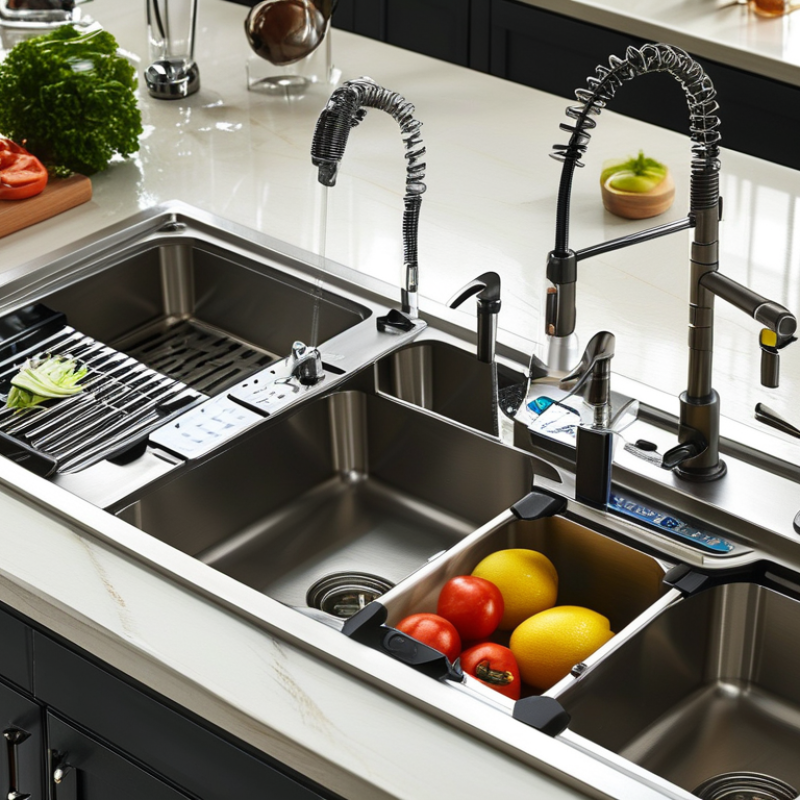
Multifunctional sinks play a vital role in enhancing workflow. They are essential in kitchens and workspaces where efficiency matters. A well-designed sink integrates various tasks, reducing downtime. By combining tasks like washing, prepping, and rinsing, these sinks streamline operations. This not only saves time but also minimizes clutter. A functional sink allows space-efficient organization, making it easier to keep surfaces clean.
Their versatility stands out in busy environments. Imagine a chef quickly toggling between washing vegetables and filling pots. This saves precious seconds and enhances productivity. However, not all multifunctional sinks are created equal. Some may lack adequate drainage or space for multiple tasks. Users must assess their needs carefully. A poor choice can lead to frustration, rather than efficiency. The right sink can make a significant difference in workflow optimization. Think about how often tasks overlap and allow a sink to facilitate that.
Multifunctional sinks are revolutionizing workflow, especially in kitchens and workspaces. Their design integrates several features, making them essential for efficiency. A well-designed multifunctional sink can include a cutting board, colander, and strainer. These elements streamline tasks like food prep and cleaning. Imagine chopping vegetables while washing them at the same time. This saves time and maximizes productivity.
Another key feature is the adaptability of multifunctional sinks. Users can customize their setup based on specific tasks. Some sinks offer varying depths for different purposes. This flexibility addresses both small and large tasks effectively. An easily adjustable faucet can cater to washing large pots or rinsing delicate items. However, users may face challenges with plumbing and installation. It's essential to ensure compatibility with existing setups.
Durability is also a crucial consideration. Materials used should withstand wear and tear over time. Stainless steel is popular due to its resistance to stains and scratches. Yet, users should be aware of maintenance needs, as neglect can lead to issues. Creating a balance between functionality and care is key. Emphasizing these features can lead to a more productive and efficient workflow, benefiting various environments.
Multifunctional sinks have become essential in various workflows, especially in kitchens and laboratories. Effective organization around these sinks can greatly improve efficiency and space utilization. A study published by the Journal of Kitchen Science indicates that optimizing workspace layout leads to a 20% increase in task efficiency. This data emphasizes the importance of strategic placement of multifunctional sinks to minimize unnecessary movement.
Organizing workflow around these sinks starts with understanding the types of tasks performed nearby. Most users spend about 40% of their time working in close proximity to the sink. Thus, ensuring easy access to utensils, cleaning supplies, and ingredients is crucial. Tools should be within arm's reach, reducing time spent searching for items. Incorporating shelves or mobile carts can assist in this organization. However, some workflows face challenges, such as clutter around the sink which can hinder performance.
Regular evaluations of the sink area can highlight potential improvements. For example, spot checks every month can reveal inefficient practices that cause delays. A report from the Efficiency Institute found that poorly organized sinks can lead to a loss of up to 15 minutes in each shift. It’s essential to refine your setup continuously, ensuring that every item contributes to a seamless workflow. Flexibility in design will accommodate changing needs and preferences, enhancing overall productivity.
| Best Practices | Description | Benefits | Examples |
|---|---|---|---|
| Zoning Areas | Create distinct areas around the sink for washing, preparation, and disposal. | Improved efficiency and decreased workflow disruptions. | Separate sections for dishwashing, food prep, and trash. |
| Organize Tools | Keep frequently used items like sponges and soap near the sink. | Saves time and minimizes movement. | Caddies or wall-mounted shelves for tool storage. |
| Streamline Plumbing | Ensure plumbing connections allow for quick water flow and drainage. | Prevents clogs and reduces cleanup time. | Regular maintenance of drainage systems. |
| Implement Multi-Use Tools | Use tools and equipment that serve multiple functions. | Conserves space and reduces clutter. | Multi-purpose sink attachments for food prep and cleanup. |
| Regular Training | Conduct ongoing training for staff on best practices. | Ensures everyone is knowledgeable and efficient. | Workshops and team meetings to reinforce practices. |
Adjusting the kitchen layout can significantly enhance the functionality of multifunctional sinks. A well-placed sink can streamline tasks, reduce clutter, and improve overall workflow. According to the National Kitchen and Bath Association (NKBA), 47% of homeowners consider the sink location a key feature in their kitchens. This means that positioning the sink near essential work areas can create a cohesive and efficient space.
Consider a layout that allows for easy access to the cooking zone and refrigerator. A survey from Houzz found that 58% of homeowners prefer the sink within reach of the stove. This setup promotes fluid movement between tasks, making meal prep less of a chore. Additionally, incorporating ample counter space around the sink can facilitate food prep and clean-up activities.
Reflection is vital when creating these spaces. Not all sinks will work for every kitchen. The wrong size sink can hinder workflow rather than enhance it. It's essential to balance functionality with aesthetic appeal. A common oversight is underestimating the need for storage under the sink. A well-organized cabinet can optimize the overall functionality of the kitchen. Remember, creating a truly effective workspace may require some trial and error.
Maintaining multifunctional sinks is crucial for enhancing workflow in busy kitchens. Regular cleaning is essential. A study reveals that 70% of kitchen-related issues stem from neglecting maintenance. Ensure that food debris and grease are removed promptly. Use a mixture of warm water and mild detergent for effective cleaning. Avoid harsh chemicals that may damage surfaces.
Inspecting seals and gaskets is vital. Over time, wear and tear can lead to leaks, which waste water and create potential hazards. Studies show that 30% of sink problems arise from neglecting these components. Frequent checks help catch issues early. Replace damaged parts promptly to avoid costly repairs down the line.
Another key aspect is proper usage. Not all materials withstand heavy-duty tasks. While multifunctional sinks are designed for versatility, misuse can lead to premature wear. For example, avoid using excessive force when operating faucets. Training staff on correct usage can extend the life of the sink and maintain its functionality. Remember, a care routine, when established, proves more beneficial in the long run.
: Multifunctional sinks combine several features for efficiency in kitchens and workspaces.
They allow users to chop and wash food simultaneously, saving time in preparation.
Yes, users can adjust setups based on tasks, with sinks available in varying depths.
Stainless steel is a popular choice due to its durability and resistance to stains.
Regular cleaning with warm water and mild detergent prevents buildup and damage.
Worn seals can cause leaks, leading to waste and potential hazards in the kitchen.
Avoid using excessive force on faucets, as it may lead to premature wear and damage.
Frequent inspections help catch problems early, ideally before they escalate.
Train staff on proper usage to extend the sink's lifespan and ensure functionality.
Avoid harsh chemicals; they can cause long-term damage to the sink’s surfaces.
In today's fast-paced kitchen environments, understanding how to improve workflow using multifunctional sinks can significantly enhance efficiency and productivity. Multifunctional sinks are designed with key features that streamline various tasks, such as food preparation, washing, and cleaning, all in one place. By organizing workflow around these versatile fixtures, chefs and home cooks alike can maximize their productivity.
To fully leverage the capabilities of multifunctional sinks, it’s essential to adjust kitchen layouts to enhance sink functionality. This may involve strategic placement to minimize movement and optimize accessibility. Additionally, implementing best practices for organization can create a more seamless workflow. Regular maintenance is also crucial to ensure the longevity and performance of these sinks, allowing for sustained efficiency in the kitchen space.

Nura Kitchen