Keeping your kitchen sink clean can be a challenge. According to industry reports, 75% of homeowners struggle with maintaining a sparkling appearance in this high-use area. The term "Easy Clean Kitchen Sink" has become increasingly popular as people seek effective solutions. Expert James Watson, a kitchen hygiene specialist, states, "A clean sink not only looks good but also prevents germs from taking over."
Daily kitchen activities often lead to lingering grime and stains. A neglected sink can harbor bacteria, which poses health risks. It's crucial to establish simple cleaning habits to ensure your "Easy Clean Kitchen Sink" remains just that. Regular scrubbing with the right tools can make a significant difference.
While many aim for perfection, it’s essential to acknowledge that achieving a spotless sink takes effort. The right materials and cleaning techniques are vital. Importantly, not all sinks are created equal, which can complicate cleaning. Maintaining an "Easy Clean Kitchen Sink" calls for a mix of knowledge and routine. Embracing small imperfections and reflecting on cleaning habits can foster better practices.
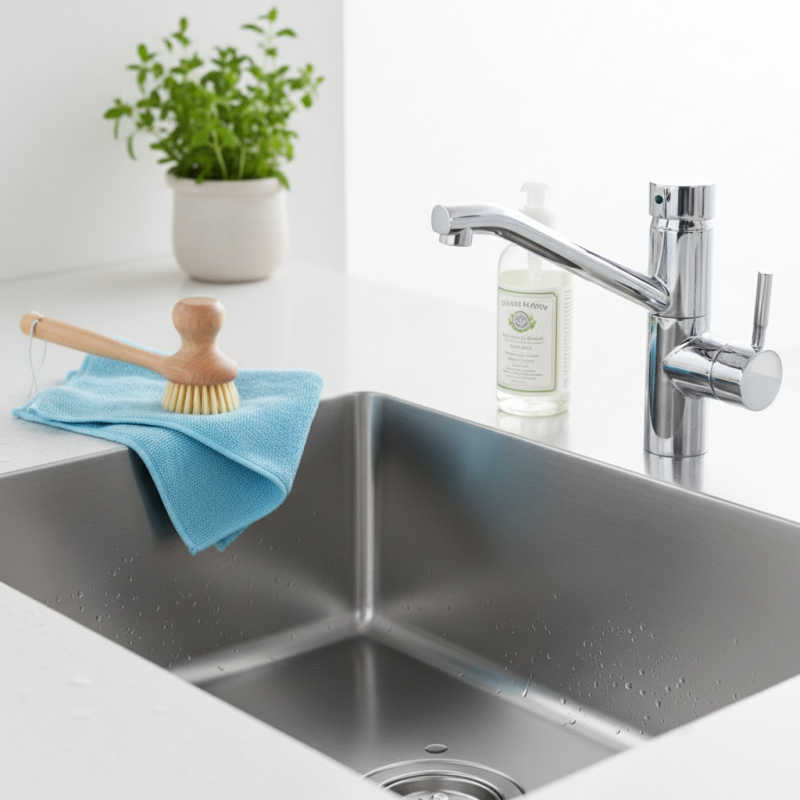
How Regular Cleaning Routines Enhance Kitchen Sink Longevity
A clean kitchen sink is essential for maintaining a healthy cooking environment. Regular cleaning routines make a significant difference. They not only improve appearance but also enhance the sink's longevity. Daily use can lead to grime and stains. A quick wiping can prevent buildup. You may notice some stubborn spots that refuse to budge. This happens even with diligent care.
Monthly deep cleaning is crucial. Use a gentle scrub, ensuring you tackle corners and crevices. There is often overlooked grime that accumulates in these areas. It's easy to forget about the faucet, which may show signs of hard water. Take a moment to inspect and treat it. Keeping the sink sparkling requires consistent effort. People sometimes skip days, and it shows.
Consider your cleaning supplies. Some might be effective but harsh. Balancing effectiveness with gentleness is important. Not every routine needs to be complex; simplicity can yield good results. You might find days where your best efforts seem pointless. But, it's crucial to remember that every clean contributes to longevity. Embrace the small wins along this journey.
Essential Materials and Tools for Effective Sink Maintenance
Maintaining a sparkling kitchen sink requires essential materials and tools that make cleaning easy. The most effective solutions often include mild dish soap, baking soda, and vinegar. According to cleaning industry reports, vinegar is an excellent natural disinfectant, effective against 99% of bacteria. Baking soda serves as a gentle abrasive, perfect for tackling tough stains without scratching the surface.
Tip: Mix equal parts of vinegar and water in a spray bottle. This homemade cleaner is safe and effective. Spray it on your sink and let it sit for a few minutes before wiping it down with a soft cloth.
Also, consider having a dedicated sponge and scrub brush just for your sink. It prevents cross-contamination from other cleaning tools. According to a study, keeping specific cleaning tools reduces bacteria levels in your kitchen by up to 80%. Regularly replacing sponges every few weeks is crucial, as they can harbor unwanted germs.
Tip: Rinse your sink with hot water after each use. This small habit can prevent the buildup of grime over time. Remember, a clean sink promotes a healthier kitchen environment.
Impact of Hard Water on Sink Cleanliness and Solutions
Hard water can be a real nuisance in kitchens. It leaves behind mineral deposits that make sinks look dull. These stains can vary in color, often appearing white or brown. Over time, they build up and become harder to remove. Many people find themselves scrubbing endlessly, only to see limited results.
One solution is to use vinegar. It’s a natural cleaner that can dissolve mineral deposits effectively. Simply soak a cloth in vinegar and wrap it around the faucet for a few minutes. Another option is to install a water softener. It changes the chemistry of the water, reducing mineral content. However, this can be costly and requires regular maintenance.
Too often, we neglect to consider preventative measures. A quick rinse of the sink after each use can help. A simple habit like this might seem trivial, but it can save a lot of effort in the long run. Reflecting on our cleaning routine can reveal easy changes for a sparkling sink.
Professional Tips for Maintaining a Sparkling Stainless Steel Sink
Keeping your stainless steel sink sparkling can seem challenging. Yet, professionals highlight a few key methods that make it easier. Regular cleaning is essential. Aim to clean your sink daily to prevent stains and buildup. A simple mix of vinegar and baking soda works wonders. Apply the paste, let it sit for 15 minutes, then scrub gently. This technique targets grime effectively while being safe for the environment.
Industry reports show that stainless steel sinks are popular due to their durability and aesthetic appeal. However, 30% of homeowners struggle with maintaining their shine. Water spots and soap scum can damage the surface. Remember to dry your sink after use. This habit limits water residue build-up, helping to maintain that gleaming look. Using a microfiber cloth can enhance the cleaning process.
Lastly, don’t underestimate the power of routine. A weekly deep clean can refresh your sink's appearance significantly. Focus on areas that often get overlooked. Any missed spots can tarnish your efforts. It’s a small job that can easily slip off your to-do list. Addressing these areas ensures a consistently beautiful sink, elevating your kitchen's overall look.
2026 How to Keep Your Kitchen Sink Easy Clean and Sparkling? - Professional Tips for Maintaining a Sparkling Stainless Steel Sink
| Tip Number |
Cleaning Technique |
Frequency |
Recommended Products |
Additional Tips |
| 1 |
Warm Water Rinse |
Daily |
N/A |
Always rinse after use to prevent buildup. |
| 2 |
Baking Soda Paste |
Weekly |
Baking soda, Water |
Use a soft cloth to apply and buff. |
| 3 |
Vinegar Spray |
Bi-weekly |
White vinegar |
Let it sit for a few minutes before rinsing. |
| 4 |
Olive Oil Shine |
Monthly |
Olive oil |
Use a small amount to buff for a shine. |
| 5 |
Non-Abrasive Cleaner |
Monthly |
Non-abrasive cleaner |
Choose a cleaner safe for stainless steel. |
Eco-Friendly Cleaning Alternatives for a Chemical-Free Shine
Keeping your kitchen sink clean can feel like a never-ending chore. However, eco-friendly cleaning alternatives offer a great way to achieve a sparkling shine. According to recent industry studies, over 70% of consumers prefer natural cleaning products due to their safety and effectiveness. Simple ingredients can often do the job just as well as harsh chemicals.
Lemon juice is a powerful, natural disinfectant. Use it to tackle tough stains and eliminate odors. Just slice a lemon and rub it on the sink's surface. The citric acid will break down grime effortlessly. Baking soda is another effective option. Create a paste with water and scrub your sink gently. It's abrasive enough to lift dirt without causing scratches.
Most people don't realize that vinegar can be a strong ally in this cleaning process. It not only disinfects but also leaves a shiny finish. Spray it onto the sink, let it sit, then rinse. But be cautious—vinegar can dull certain surfaces if left on too long. The path to a clean sink involves trial and error. Sometimes, you may need to repeat these steps to see the desired results. Embrace these eco-friendly solutions for a cleaner home that’s also kinder to the environment.
FAQS
: Hard water contains minerals that leave dull stains on sinks. These deposits build up over time and are hard to clean.
Vinegar is an effective natural cleaner. Soak a cloth in vinegar and wrap it around the faucet for a few minutes.
Rinsing the sink after each use can prevent buildup. Small habits can lead to significant long-term benefits.
Daily cleaning is recommended to prevent stains and buildup. A routine can save you effort in the long run.
Lemon juice and baking soda are great natural alternatives. They help lift dirt without using harsh chemicals.
Yes, vinegar can dull certain surfaces. It’s important to rinse it off after use to avoid potential damage.
Many forget to dry their sink after use. This can lead to water spots and tarnished surfaces over time.
Weekly deep cleaning can refresh your sink's appearance significantly. Overlooking spots can diminish your efforts.
Yes, using a microfiber cloth can enhance the cleaning process. It effectively removes grime while protecting surfaces.
Reflect on your methods and be open to trial and error. Sometimes, adjustments are needed to achieve the desired results.
Conclusion
To maintain an easy clean kitchen sink, establishing regular cleaning routines is essential. These routines not only enhance the longevity of the sink but also ensure it remains free from grime and bacteria. Key materials and tools, such as non-abrasive cleaners and soft sponges, can make maintenance more effective and straightforward.
The presence of hard water can adversely affect sink cleanliness, leading to unsightly stains and mineral buildup. Fortunately, solutions like vinegar or citric acid can help combat these issues. For stainless steel sinks, professional tips recommend gentle cleaning methods to preserve the shine. Additionally, opting for eco-friendly cleaning alternatives ensures your sink sparkles without the use of harsh chemicals, promoting a healthier kitchen environment.

 Nura Kitchen