Choosing a kitchen sink that lasts is crucial for any home. With so many options available, it can be overwhelming. "What materials are ideal for durable kitchen sinks?" is a question that often arises among homeowners. Industry expert, Jennifer Lawson, emphasizes, "Material choice is key for longevity and performance."
High-quality sinks can withstand daily wear and tear. Stainless steel, for instance, is favored for its resilience and sleek appearance. Yet, it may scratch over time. Granite composite offers stunning aesthetics but can chip if not cared for properly. Choosing between style and durability is a common dilemma.
Many overlook how maintenance affects sink longevity. Proper cleaning, for example, extends the lifespan of any material. However, some homeowners may find it challenging to keep specific materials looking new. Balancing beauty, function, and resilience is essential in making the right choice. Prioritizing durability can save money and frustration long-term.
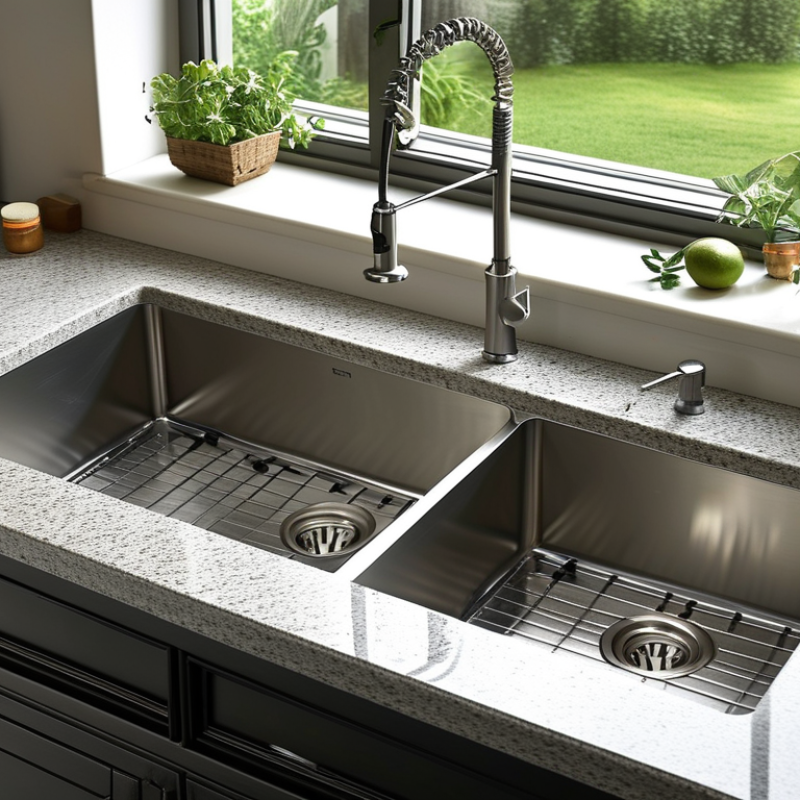
Choosing durable kitchen sink materials is essential for maintaining function and aesthetics in your home. Kitchen sinks endure daily wear and tear. They face hot pots, sharp utensils, and constant exposure to water. Selecting the right material can make a world of difference.
When considering materials, think about your lifestyle. Some materials are more prone to scratches or stains. For instance, stainless steel is popular due to its resilience and ease of cleaning. However, it can show scratches over time. Composite sinks offer durability and variety in design. Yet, not all composites resist heat well. Weigh the pros and cons carefully.
Tip: Investigate each material's resilience to daily use. Ask about cleaning maintenance. A good sink should withstand years of use with minimal effort.
Always evaluate the sink's appearance alongside its durability. A sink can be tough but may clash with your design. Consider its integration into your kitchen layout.
Tip: Visit showrooms to see materials in person. Touch and feel will help you gauge quality. Trust your instincts when choosing the right fit for your home.
When selecting a kitchen sink, the material is vital. Let's explore some common materials and their pros and cons.
Stainless steel is popular due to its durability. It resists rust and stains. Cleaning is easy, but it may dent. Consider thickness to reduce noise. A thick gauge can be a better investment.
Composite sinks blend acrylic and quartz. They are sturdy and come in various colors. Chips are possible, so be cautious. They can be prone to scratches but are easy to maintain.
Porcelain is classic and attractive. It offers a polished look but can crack and chip easily. Regular touch-ups might be needed. Remember, its aesthetic appeal can come at a cost.
Tips: Always check the warranty. A good warranty reflects quality. Inspect samples before purchasing. This ensures you understand the material's texture and weight. Durability should align with your cooking needs.
When choosing a kitchen sink, durability is key. One critical factor is the material. Stainless steel is popular due to its resistance to rust and stains. However, it can scratch and dent easily. Consider the thickness of the steel; heavier gauges are generally more durable.
Another material option is granite composite. It offers excellent resistance to chipping and cracking. Yet, it's not indestructible and may require careful handling. Cast iron sinks are robust and long-lasting, but they are heavy and prone to chipping if dropped.
You should also think about maintenance. Some materials need regular sealing or special cleaners. Think about your daily routine when assessing durability. Each material has its pros and cons, so reflect on what suits your lifestyle best. Making the right choice requires careful consideration of these factors.
Maintaining your kitchen sink is essential for longevity. Regular cleaning can prevent stains and buildup. Use a mild detergent and a soft cloth to wipe down your sink daily. This simple habit keeps dirt at bay.
Avoid using abrasive cleaners, as they can scratch the surface. These scratches can harbor bacteria. Instead, soak tough stains in warm water before scrubbing. Paying attention to these details is crucial. It's common to overlook small issues until they become large problems.
Check for leaks periodically. A small drip can lead to water damage over time. If you notice a leak, fixing it sooner rather than later is vital. Rinsing your sink after use also helps minimize residue. Encourage your family to adopt these habits. Together, they reinforce a culture of care for your kitchen sink.
When choosing kitchen sink materials, cost and durability are key factors. A report by the National Kitchen and Bath Association (NKBA) highlights that stainless steel sinks, while often the cheapest option, can last for decades if properly maintained. These sinks resist stains and corrosion. However, cheaper variants may dent easily and may not maintain their aesthetic over time.
On the other hand, composite sinks made from a blend of materials offer durability but at a higher price. Industry data shows that the average lifespan of composite sinks ranges from 25 to 50 years. Their resistance to chipping and scratching makes them a favorable choice. Yet, the initial investment can be daunting for some homeowners.
Porcelain sinks present another option. They are visually appealing but can be prone to cracking and discoloration, leading to costly repairs. A study by the American Society of Interior Designers (ASID) emphasizes that while they are cheaper upfront, long-term maintenance can negate initial savings. Selecting the right material requires careful consideration of your budget and lifestyle needs.
| Material | Cost per Unit ($) | Durability Rating (Years) | Maintenance Level |
|---|---|---|---|
| Stainless Steel | 150 | 15 | Low |
| Fireclay | 300 | 25 | Medium |
| Composite Granite | 200 | 20 | Medium |
| Cast Iron | 250 | 50 | High |
| Acrylic | 100 | 10 | Low |
| Copper | 400 | 30 | Medium |
: Stainless steel is known for its durability and resistance to rust and stains.
Yes, they are sturdy and can last 25 to 50 years, but they can be pricey.
Porcelain sinks are cheaper initially, but maintenance costs can add up over time.
Yes, cheaper stainless steel sinks can dent. A thick gauge minimizes this risk.
They are easy to maintain but can scratch and chip if not treated carefully.
Yes, but it may lead to more maintenance for options like porcelain sinks.
Yes, a good warranty usually indicates quality and can save future costs.
Always check the texture and weight of the material in person.
Yes, consider durability based on how often you cook and your cooking style.
Yes, cheaper sinks may chip, dent, and require more long-term repairs.
Choosing the right materials for kitchen sinks is crucial for ensuring durability and longevity. When considering what materials are ideal for durable kitchen sinks, homeowners typically encounter options such as stainless steel, cast iron, and composite materials, each with their own pros and cons. While stainless steel is known for its resistance to stains and ease of maintenance, cast iron offers a classic aesthetic but requires more careful handling to avoid chipping.
Key factors to consider include the sink's resistance to scratches, dents, and heat, as well as its overall maintenance needs. Regular care can significantly extend the life of any kitchen sink, regardless of material. Furthermore, weighing the cost against durability is essential, as investing in high-quality materials can save money in the long run by reducing the need for replacements and repairs. Understanding these elements ensures that homeowners make informed decisions when selecting the best kitchen sink materials for their needs.
Nura Kitchen