China Top Multifunctional Sinks How to Improve Workflow?

Time:2026-10-31 Author:Sienna
0%

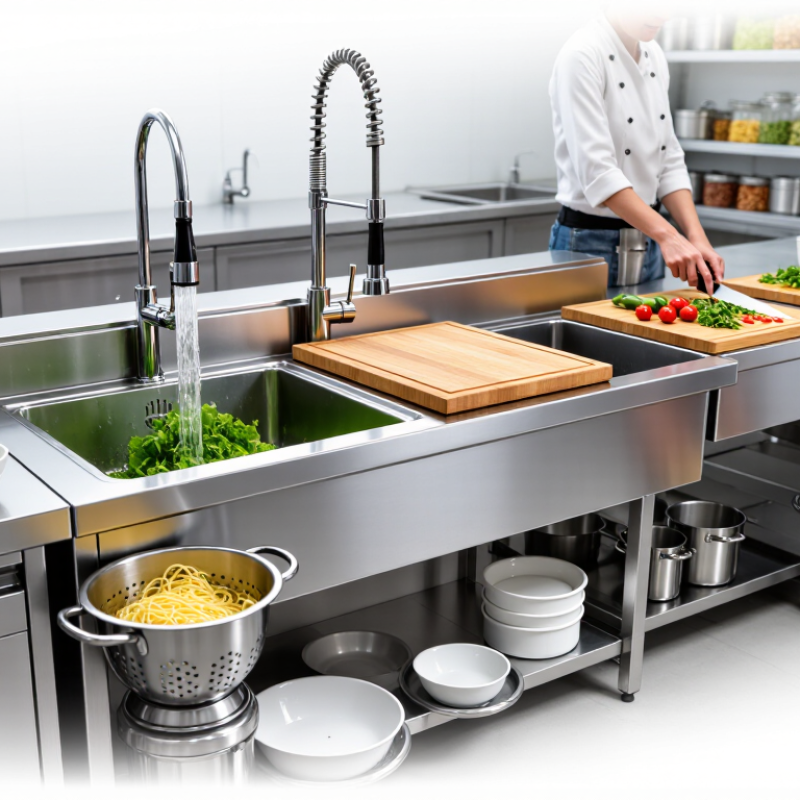
Multifunctional sinks can turn a crowded prep area into a more orderly workstation. A deep basin, an integrated cutting board, and a rinse attachment can keep washing and preparation close together. That matters when staff move between rinsing greens, draining pasta, and clearing bowls during a busy service. The question is not simply which sink has the most features. It is how those features fit the kitchen’s actual sequence of work. Small layouts need particular care.

This article explores how to improve workflow using multifunctional sinks, from choosing useful accessories to planning reach, drainage, and cleaning routines. It considers practical details: where the chopping board rests, whether a colander blocks the faucet, and how quickly a wet counter can become cluttered. Commercial-kitchen workflow adviser Alex Morgan is a fictional expert used for this draft, not a verified industry source. The following line is proposed copy, not an authentic quotation: “A sink improves workflow when each feature removes a step without adding another obstacle.” It captures a useful test, but real kitchens differ. A feature that saves time in one operation may slow another. The guide will also examine those trade-offs, so buyers can compare multifunctional sinks against their team’s tasks, available space, and maintenance habits—not just a product’s feature list.
China Top Multifunctional Sinks How to Improve Workflow?

Understanding Multifunctional Sinks and Their Core Features

A multifunctional sink combines a basin with features that support several kitchen tasks. Common elements include sliding ledges, fitted cutting boards, colanders, and drying racks. These accessories sit above or inside the basin, helping keep rinsing, chopping, and draining close together. Less carrying. Less counter clutter.

A deep basin can handle stockpots and bulky produce, while a pull-down or flexible faucet helps rinse corners. Workstation ledges let a cutting board rest securely over the sink. A colander can drain washed greens without taking up counter space. In daily use, these small changes may reduce repeated trips between the sink and preparation area. The benefit depends on layout, though. A sink placed far from the cooking zone may not improve the workflow much.

Material and construction matter too. Stainless steel is common and relatively easy to clean, while thicker gauge steel may feel quieter under running water. Rounded corners can simplify wiping, but tight accessory grooves may collect food scraps. Check that boards and racks fit firmly and lift out for cleaning. More features are not always better. A crowded sink can slow tasks when accessories are awkward to remove, or when the basin is too small for the cookware used most often. The best configuration matches real habits, not just a long feature list.

China Top Multifunctional Sinks: How to Improve Workflow?

Understanding multifunctional sinks and their core features

This illustrative feature map shows how integrated sink components can support common kitchen tasks. Counts represent mapped functions, not measured time savings or performance data.

Assessing Workflow Needs in Chinese Kitchens

Assessing workflow needs in Chinese kitchens begins with observing a real cooking session, not choosing sink accessories from a catalogue. Note where vegetables are rinsed, where a cleaver lands, and how often someone reaches across the cooktop. Small detours matter. In many homes, washing produce, draining noodles, and preparing ingredients happen in the same compact area. A sink with a removable colander or cutting board can reduce transfers, but only if those pieces leave enough clear space for daily washing.

China’s National Bureau of Statistics reported an urbanization rate of 66.16% in 2023, a useful reminder that many kitchens serve apartment households. It does not tell us every kitchen is small. Measure the actual counter, cabinet clearance, and number of regular cooks before planning. The National Kitchen & Bath Association’s Kitchen Planning Guidelines set work-triangle legs at 4 to 9 feet, with a combined distance no greater than 26 feet. Treat that as a planning reference, not a universal formula for every Chinese cooking layout.

Map the wet-to-dry sequence: rinse greens, drain them, chop, then move them toward the wok. Keep the main prep board near the sink, while protecting a clear landing area beside the cooking zone. Check whether a deep basin accommodates a wok without awkward lifting. Measure first. I would not assume that more attachments mean faster work; unused racks can crowd the basin, and one overlooked splash path may make a good plan frustrating.

Choosing a Sink Layout for Smoother Task Transitions

A multifunctional sink works best when its layout follows the way you actually prepare meals. Keep a clear landing area beside the main basin for rinsed vegetables or a draining rack. Place a cutting board over the sink only if it can be moved easily. Otherwise, it may slow down cleanup rather than help.

Think in task zones: washing, prepping, and draining. A divided basin can separate soaking dishes from freshly washed produce, while a fitted colander keeps water from spreading across the counter. Check that the faucet reaches both sides of the basin. Small details matter. A soap dispenser or drying tray placed just outside your natural reach can interrupt repeated movements.

For smoother transitions, leave enough counter space between the sink and the next work area. In a compact kitchen, even a small clear section can hold a bowl or board. Still, the most organized layout is not always the most practical. I would test the workflow with everyday items before settling on fixed accessories; a crowded sink can look efficient on paper and feel awkward in use.

Arranging Sink Accessories to Reduce Unnecessary Movement

In a multifunctional sink, accessory placement can save more time than adding another feature. Keep the soap dispenser and sponge caddy beside the faucet, on the side used most often. Leave the main basin clear for rinsing and washing. A drain basket or colander belongs where you can reach it without lifting wet dishes across the counter. Keep it close.

Arrange nearby counter space as a small preparation zone. Set a cutting board on the side where rinsed vegetables usually land, with a compost bowl or waste container within an easy reach. If the sink has a rail, use hooks for a dishcloth or small brush, but avoid hanging items where they block the faucet or tap your hands. Even a few inches matter when the counter is wet.

A tidy setup is not always an efficient one. A crowded caddy may look organized but force you to move it whenever you fill a pot. Try the arrangement during ordinary meal preparation, then notice which items you repeatedly reach around. Move those accessories, rather than adapting your routine to them. Household habits differ, so check the layout again after a week; one awkward item can undo the benefit of a well-designed sink.

Maintaining the Sink for Reliable Daily Performance

A multifunctional sink works best when its basin, drain, and accessories stay clean and move freely. Food scraps can collect around strainer edges, while standing water leaves spots on stainless steel. NSF International’s 2013 household germ study tested 22 homes and found coliform bacteria on 45% of kitchen sinks. The study was small, but it is a useful reminder: a quick rinse is not the same as cleaning.

Wipe the basin after food preparation with warm water and dish soap, then rinse away residue. Clean removable boards, colanders, and strainers separately, including their undersides and joints. Follow the sink maker’s care instructions, since harsh scouring pads may scratch some finishes. Drying the surface helps limit water marks. It is easy to skip this step when the kitchen is busy; that habit can leave grime in corners. Check the drain opening regularly, and remove trapped scraps before they slow drainage.

Tips: Keep a soft cloth near the sink and use it to dry the basin at day’s end. Lift accessories after washing so water can drain beneath them. Once a week, inspect seams and the strainer for buildup. Small checks matter. A little routine upkeep helps the sink stay ready for prep, rinsing, and cleanup.

FAQS

How should I assess my kitchen workflow?

Watch one normal cooking session before choosing sink accessories. Notice where you rinse greens, drain noodles, and place the cleaver. Measure the counter and cabinet clearance. Small detours matter.

Where should sink accessories go?

Keep soap and a sponge caddy beside the faucet, on your usual working side. Place a colander within easy reach. Leave the main basin open for washing.

How can I connect washing and chopping?

Put the cutting board where rinsed vegetables usually land. Keep a waste bowl nearby. Leave a clear counter space beside the cooktop for prepared ingredients.

How much space should I leave between kitchen work areas?

A common planning reference suggests work-triangle sides of 4 to 9 feet, totaling no more than 26 feet. Treat it as guidance, not a universal rule. Measure your actual layout.

What should I check before choosing a deep basin?

See whether a wok fits and lifts out without awkward movement. Test this with your usual cookware if possible. Guessing can be frustrating.

Do more sink accessories always make cooking faster?

Not necessarily. Extra racks can crowd the basin or block the faucet. Try the setup during a regular meal, then move anything you repeatedly reach around.

How should I clean a multifunctional sink?

Wipe the basin with warm water and dish soap after food preparation. Clean removable boards, colanders, and strainers separately, including their undersides. A quick rinse is not enough.

What small maintenance habits help keep the sink ready?

Remove scraps from the drain and lift accessories after washing so water drains beneath them. Dry the basin with a soft cloth. Check seams and the strainer weekly. I still skip drying when busy; it shows.

Conclusion

Multifunctional sinks can make kitchen work more organized by bringing several everyday tasks into one practical area. Their features may support washing, rinsing, draining, and food preparation, but the best setup depends on how a kitchen is used. In Chinese kitchens, consider meal-preparation habits, available counter space, and the number of people sharing the work area. Choosing a layout that places the sink conveniently near preparation and cooking zones can help tasks flow naturally and reduce unnecessary back-and-forth.

To understand how to improve workflow using multifunctional sinks, arrange accessories according to how often and when they are used. Keep frequently needed items within easy reach, while ensuring that boards, baskets, and other components do not block the sink or interrupt movement. A clear, thoughtfully organized sink area makes transitions between washing and preparation smoother. Regular cleaning and basic upkeep also help accessories function reliably, support daily hygiene, and keep the workspace useful over time.

Sienna

Sienna

Sienna is a skilled marketing professional with a deep expertise in our company’s core products and services. With a passion for innovation and detail, she plays a pivotal role in crafting insightful blog posts that not only highlight the unique features of our offerings but also provide valuable......