Granite Composite vs Stainless Steel Sinks Top 5 Reasons to Choose?

Time:2026-08-15 Author:Henry
0%

Choosing the right sink is essential for kitchen design and functionality. Many homeowners ponder "why choose granite composite vs stainless steel sinks". David Smith, a leading expert from the Kitchen and Bath Industry Association, notes, "Granite composite offers resilience and visual appeal that stainless steel can't match."

Granite composite sinks are made from a blend of natural stone and acrylic resins. This combination provides a durable, scratch-resistant surface that withstands daily wear. In contrast, stainless steel sinks, while popular, can dent and scratch more easily. According to a 2023 report by the National Kitchen and Bath Association, granite composite sinks have increased in popularity by 25% over the last five years.

Both materials have pros and cons. Stainless steel sinks are known for their modern look and easy maintenance. However, they can show water spots and fingerprints often. Granite composite sinks can be visually stunning and come in a variety of colors. Yet, they may require more careful cleaning to maintain their shine. Ultimately, the choice should align with your kitchen style and practical needs.
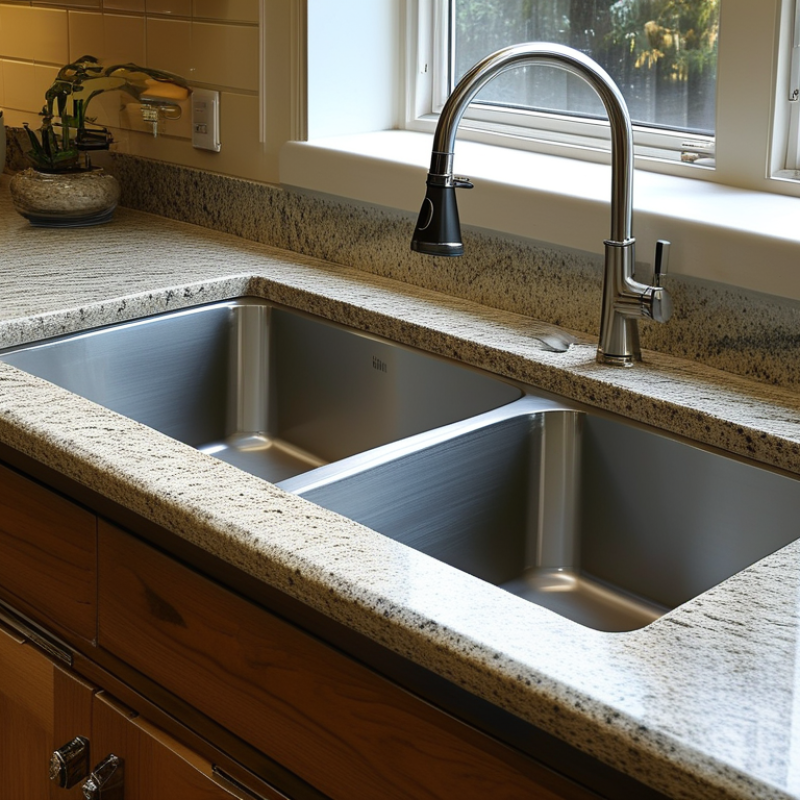
Granite Composite vs Stainless Steel Sinks Top 5 Reasons to Choose?

Granite Composite Sinks: Key Features and Benefits

Granite composite sinks combine beauty and durability, making them a popular choice for modern kitchens. They are made from a blend of crushed granite and acrylic resins, offering a rich, textured appearance. This material resists scratches, chips, and stains far better than traditional composite materials. Homeowners appreciate the elegance that these sinks bring, along with their impressive longevity.

Another key feature of granite composite sinks is their ability to withstand high temperatures. You can place hot pots and pans directly into the sink without worrying about damage. This is a practical advantage for busy kitchens where everyday cooking demands durability. However, maintaining the sink’s appearance requires regular cleaning and sealing, which some may overlook. Ignoring this maintenance can lead to dullness over time.

Despite their many benefits, granite composite sinks can be heavier than other options. This weight requires proper support during installation. Careful planning is essential to avoid potential issues when mounting the sink. Additionally, colors and patterns may vary, making it crucial to examine samples before making a final decision. This attention to detail ensures a perfect fit for your kitchen aesthetic.

Stainless Steel Sinks: Advantages and Considerations

Stainless steel sinks offer a blend of functionality and style. They are known for their durability, able to withstand daily wear and tear. Most kitchens benefit from this type of sink because they resist rust and corrosion. You can easily find them in various styles and finishes. A polished stainless steel surface shines, reflecting light beautifully. However, fingerprints and water spots can be more noticeable, so regular cleaning is a must.

Another significant advantage is the ease of maintenance. A simple wash with soap and water keeps these sinks looking new. They are also resistant to heat, which is ideal for busy kitchens. Yet, some users note that they can be loud when dishes are dropped in. This noise can be a point of consideration for households preferring quieter environments. While they are generally affordable, thickness and quality can vary, impacting long-term satisfaction. Balancing aesthetics and practicality is essential when choosing a sink.

Durability Comparison: Granite Composite vs. Stainless Steel

When considering durability, granite composite and stainless steel sinks offer distinct advantages. Granite composite sinks are composed of 70-80% crushed granite stone. This mixture creates a durable surface resistant to scratches and chips. However, while they are tough, they can be sensitive to sudden impacts. A heavy pot dropped on the edge may leave a lasting mark. Thus, while these sinks have an impressive lifespan, care is required.

On the other hand, stainless steel sinks are known for their resilience against heat and stains. They can withstand high temperatures without damage. This feature makes them excellent for busy kitchens. However, they can show scratches over time. Daily use can lead to a worn appearance, especially in heavily used areas. Regular maintenance is essential to keep them looking polished. Choosing between the two involves weighing these durability aspects against your kitchen's demands.

Aesthetic Appeal: Style Options for Both Sink Materials

When it comes to aesthetic appeal, granite composite and stainless steel sinks offer distinct styles. Granite composite sinks provide a rich, textured look. They are available in various colors, enhancing any kitchen decor. According to industry insights, nearly 25% of homeowners prefer these sinks for their luxurious appearance. The natural stone aesthetics add warmth and elegance.

On the other hand, stainless steel sinks also have unique visual advantages. Their sleek, metallic finish complements modern and industrial designs. Over 50% of homeowners choose stainless steel for its contemporary appeal. The reflective surface can visually enlarge smaller spaces. However, it can show water spots and scratches more readily, which may require regular maintenance.

Both materials have strengths and weaknesses. Granite composite can chip or crack if dropped, while stainless steel may dent with heavy objects. It’s essential to consider your kitchen's style and your lifestyle's demands before deciding. Balance between functionality and design is crucial, and both materials have qualities that can elevate your kitchen environment.

Maintenance and Cleaning: Which Sink Material is Easier?

When it comes to maintenance and cleaning, granite composite and stainless steel sinks offer different experiences. Granite composite sinks are durable and resistant to scratches. However, they can stain if not cleaned properly. Regular wiping with mild soap will help maintain their appearance. On the other hand, stainless steel is less prone to staining but can show water spots. A quick rinse and dry after use can save time on deep cleaning later.

Both materials require some effort to stay clean. Granite composite may need occasional sealing to prevent stains. This adds a layer of maintenance that some users overlook. Stainless steel, while easier for quick cleanup, can be prone to scratches. Avoid using abrasive pads for cleaning, as these can damage the sink surface. Ultimately, the choice comes down to your priorities in terms of maintenance. Each sink material has its pros and cons that can influence your decision.

FAQS

: What are granite composite sinks made of?

: Granite composite sinks are crafted from crushed granite and acrylic resins, ensuring a textured appearance.

Are granite composite sinks resistant to heat?

Yes, granite composite sinks can withstand high temperatures, allowing direct placement of hot pots and pans.

How should I maintain a granite composite sink?

Regular cleaning with mild soap is important. Sealing is also necessary to avoid dullness over time.

What are the advantages of stainless steel sinks?

Stainless steel sinks are durable, resisting rust and corrosion, making them ideal for daily kitchen use.

Is it easy to maintain stainless steel sinks?

Yes, a wash with soap and water keeps them looking fresh. However, they can show fingerprints and water spots.

What is a potential downside of stainless steel sinks?

They can be noisy when dishes are dropped, which may not suit quieter households.

How do the maintenance needs of granite and stainless steel differ?

Granite composite may require sealing, while stainless steel needs quick rinsing to prevent spots.

Can granite composite sinks stain?

Yes, they can stain if not cleaned properly, so regular maintenance is vital for appearance.

What factor should I consider for sink installation?

Granite composite sinks are heavier, requiring proper support during installation to avoid mounting issues.

Why is it important to examine sink samples before purchase?

Colors and patterns vary in granite composite sinks, so checking samples ensures the right match for your kitchen.

Conclusion

When considering why choose granite composite vs stainless steel sinks, it's essential to explore the key features and benefits of both materials. Granite composite sinks are known for their strong durability and resistance to scratches, chips, and stains, making them an excellent choice for high-traffic kitchens. In contrast, stainless steel sinks offer a sleek, modern look and exceptional resistance to heat and corrosion, though they may require more frequent polishing to maintain their appearance.

Durability comparison between the two reveals that while both materials are robust, granite composite tends to show fewer signs of wear over time. Aesthetic appeal is another crucial factor, as granite composite comes in various colors and textures, while stainless steel provides a clean and industrial vibe. Finally, maintenance and cleaning considerations highlight that granite composite generally requires less effort to keep clean compared to stainless steel, which can show water spots and fingerprints. Ultimately, the decision comes down to personal preference and specific kitchen needs.

Henry

Henry

Henry is a dedicated marketing professional with a profound expertise in the company's offerings. With years of experience in the industry, he possesses an impressive understanding of the market dynamics and consumer behaviors that drive success. Henry is committed to sharing his insights through......