In today's fast-paced kitchens, the question arises: what features make a kitchen sink multifunctional? Chef and kitchen design expert Maria Gonzalez emphasizes, "A well-designed sink can transform how we cook and clean." Multifunctional sinks cater to various tasks, from food preparation to dishwashing.
Consider a sink with integrated cutting boards, colanders, and drying racks. These features save space and improve efficiency. However, they may complicate cleaning and maintenance. Homeowners must balance functionality with practicality to choose the right design for their needs.
The versatility of a kitchen sink can significantly influence workflow. Yet, many overlook the importance of design. A multifunctional sink should not only fit the kitchen aesthetic but also support the user's habits. Reflecting on their needs is essential. In a busy kitchen, the right sink can make all the difference.
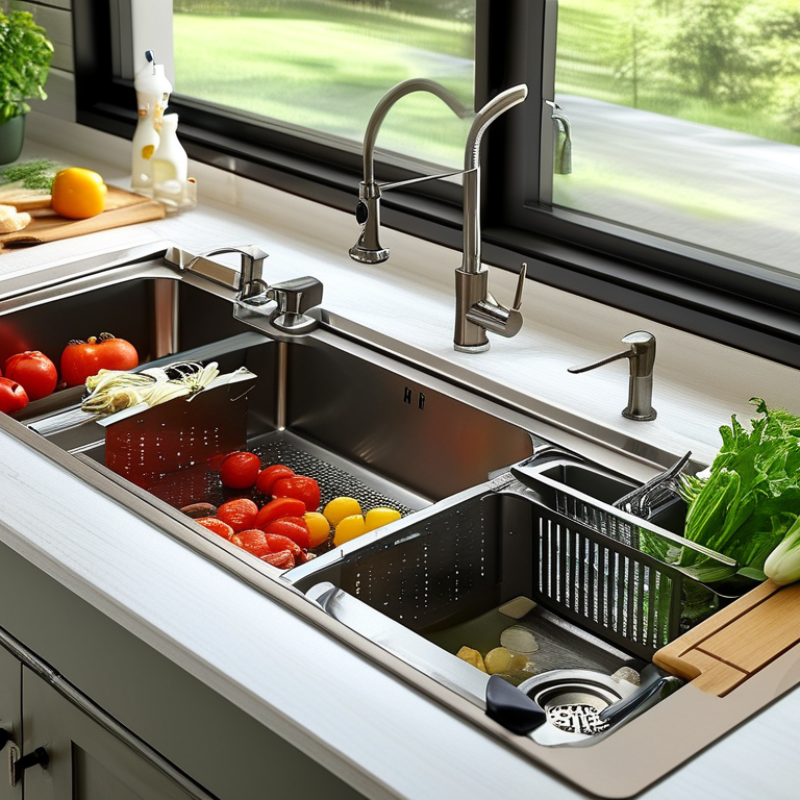
Multifunctionality in kitchen sinks is essential for modern homes. A sink that serves multiple purposes can transform kitchen efficiency. Look for features such as integrated cutting boards or colanders. These designs save space and time, making meal prep easier.
Consider adjustable spray settings. They provide flexibility for various tasks, from rinsing vegetables to washing dishes. Some sinks even have built-in soap dispensers and drying racks. This combination can streamline your kitchen process.
However, it's important to reflect on your own usage. Ask yourself: which features do you truly need? Overloading a sink with functions can lead to clutter. Sometimes, a simple design is more effective than one packed with gadgets. Choose wisely to ensure your kitchen remains functional and enjoyable.
When designing a multifunctional kitchen sink, several key features stand out. These features enhance usability and cater to diverse cooking needs. A deep basin allows for washing large pots and baking sheets without splashing water everywhere. This is especially useful in busy kitchens with multiple tasks happening at once.
Integrated cutting boards and colanders can save space and time. They streamline food preparation by providing dedicated areas for cutting vegetables or draining pasta. Having these built-in tools can reduce the need for multiple gadgets, which often clutter the countertop. However, it’s essential to ensure that these add-ons are easy to clean. Otherwise, they can become a breeding ground for bacteria.
Flexible faucet designs are another significant aspect. A pull-down or pull-out spout enhances reach and convenience. It allows for quick rinsing of dishes or filling large pots without hassle. Some may overlook the importance of a soap dispenser, yet having one can simplify the cooking and cleaning process. However, users should regularly check and refill it to maintain effectiveness.
Choosing the right material for your kitchen sink can greatly impact its functionality. Stainless steel is a popular option due to its durability and resistance to stains. It can withstand heavy use and is easy to clean. However, dents and scratches can occur with frequent use, which may detract from its appearance over time.
Another material option is composite granite. This type offers a unique, stylish look while remaining highly durable. It resists scratches and heat, making it ideal for busy kitchens. Yet, cleaning it can sometimes be a challenge, as certain harsh chemicals can cause damage to its surface.
When considering your sink material, think about your cooking habits. If you frequently cook with heavy pots, a more durable option might be the best choice. Here are some tips:
- Regularly maintain your sink to prolong its lifespan.
- Use soft cloths for cleaning to avoid scratches.
- Consider adding accessories like cutting boards specifically designed for your sink.
These features and materials can enhance your kitchen sink's functionality and aesthetics. Keep in mind the potential drawbacks, and choose wisely.
Innovative accessories can transform a kitchen sink into a multifunctional hub. One popular addition is a sink grid. This device protects the sink's surface and keeps dishes elevated, allowing water to flow around them. It’s convenient, yet it can accumulate grime if not cleaned regularly. This adds a level of complexity that many overlook.
Another useful accessory is a colander. It fits snugly within the sink, letting you rinse fruits and vegetables with ease. However, some users may find it bulky and difficult to store. A foldable colander addresses this issue but might lack stability when draining larger items. Finding the right balance between usability and space-saving can be a challenge.
A sink caddy is also essential. It holds sponges, brushes, and soaps, helping to keep clutter at bay. Yet, over time, caddies can become breeding grounds for bacteria if not cleaned frequently. The key is to choose designs that are easy to disassemble and wash. Always consider functionality alongside hygiene when selecting these accessories.
| Feature | Description | Benefits |
|---|---|---|
| Pull-Down Faucet | A faucet with a spray head that can be pulled down for easy cleaning and rinsing. | Enhances reach and flexibility in washing dishes or filling pots. |
| Built-in Cutting Board | A cutting board that fits atop the sink for food preparation. | Saves space and keeps mess contained while prepping meals. |
| Drain Board | A flat surface for drying dishes that integrates with the sink. | Prevents water pooling and organizes drying dishes efficiently. |
| Colander Insert | A colander that fits into the sink for easy rinsing and draining. | Simplifies food preparation and minimizes mess. |
| Soap Dispenser | An integrated dispenser for liquid soap located near the faucet. | Convenient access for quick cleaning without cluttering the counter. |
In modern kitchen design, space-saving solutions are essential for maximizing functionality.
Multifunctional kitchen sinks exemplify this trend by combining various features. A sink that
integrates a cutting board, colander, and drying rack can save valuable counter space.
According to the National Kitchen and Bath Association, 68% of homeowners prioritize efficient
use of kitchen space.
Flexible sink designs create added versatility. A deep basin allows for washing larger pots,
while a secondary, shallower bowl is perfect for rinsing fruits. According to the American
Institute of Architects, multifunctional kitchens can enhance home value by 20%. This can be
attributed to the increasing demand for versatile and efficient home spaces.
However, functionality does not always equate to ease of use. Some sink designs may complicate
the workflow, leading to frustration. Accessibility and practicality should be key
considerations. When choosing a sink, reflect on the specific tasks you perform daily. Each
feature must add real value without overwhelming your kitchen space.
: Multifunctional kitchen sinks combine multiple features for improved kitchen efficiency. They often include integrated cutting boards and colanders.
The right material impacts durability and ease of cleaning. Stainless steel is durable, while composite granite offers style and resistance.
Regular maintenance prolongs lifespan. Use soft cloths for cleaning to avoid scratches. Consider specific accessories for added functionality.
They integrate several features like cutting boards and drying racks. This saves valuable counter space in your kitchen.
Some designs enhance usability, while others can complicate everyday tasks. It's essential to consider practicality when choosing a sink.
No, some complicated designs may frustrate users. Reflect on daily tasks to ensure features truly add value to your kitchen.
Multifunctional kitchens can increase home value by approximately 20%, according to industry insights.
Yes, overloading a sink with features can lead to clutter and complicate your cooking process. Simplicity may be more effective.
Yes, harsh chemicals can damage its surface. It's important to choose cleaning products carefully for long-term maintenance.
Reflect on your cooking habits. Choose features that enhance functionality without overwhelming space or complicating workflow.
In exploring what features make a kitchen sink multifunctional, it's essential to understand the key elements that contribute to versatility in design. Multifunctional kitchen sinks often incorporate features such as integrated cutting boards, colanders, and drying racks, allowing users to perform various tasks efficiently. The choice of materials also plays a significant role, with durable options enhancing both aesthetics and functionality.
Additionally, innovative accessories like sink grids and soap dispensers can further maximize the utility of the sink, while space-saving solutions, such as corner sinks or compact designs, cater to smaller kitchens. By combining these design aspects, homeowners can elevate their kitchen experience, ensuring that their sink meets multiple needs without compromising style or efficiency.

Nura Kitchen