In the fast-paced world of modern kitchens, the design and functionality of kitchen fixtures play a crucial role in efficiency. A growing number of global buyers have turned their attention to how deep sinks improve kitchen efficiency. According to a recent report by the Kitchen Efficiency Research Group, 78% of chefs find that deep sinks streamline their food preparation processes. Deep sinks allow for larger pots, more dishes, and easier cleaning, saving valuable time.
Expert designer, Alex Thompson, states, “Deep sinks are essential for maximizing workspace and minimizing clutter.” His insight reflects a broader trend where efficiency directly influences kitchen design choices. With deeper basins, tasks like washing vegetables and rinsing large cookware become much easier and quicker. This boost in functionality resonates well with culinary professionals and home cooks alike.
However, it's essential to recognize that not every kitchen style accommodates deep sinks seamlessly. Clashing with certain aesthetics can lead to dissatisfaction. Buyers need to balance efficiency and design to achieve the best results. Ultimately, understanding how deep sinks improve kitchen efficiency is vital for creating spaces that meet the needs of today’s culinary enthusiasts.
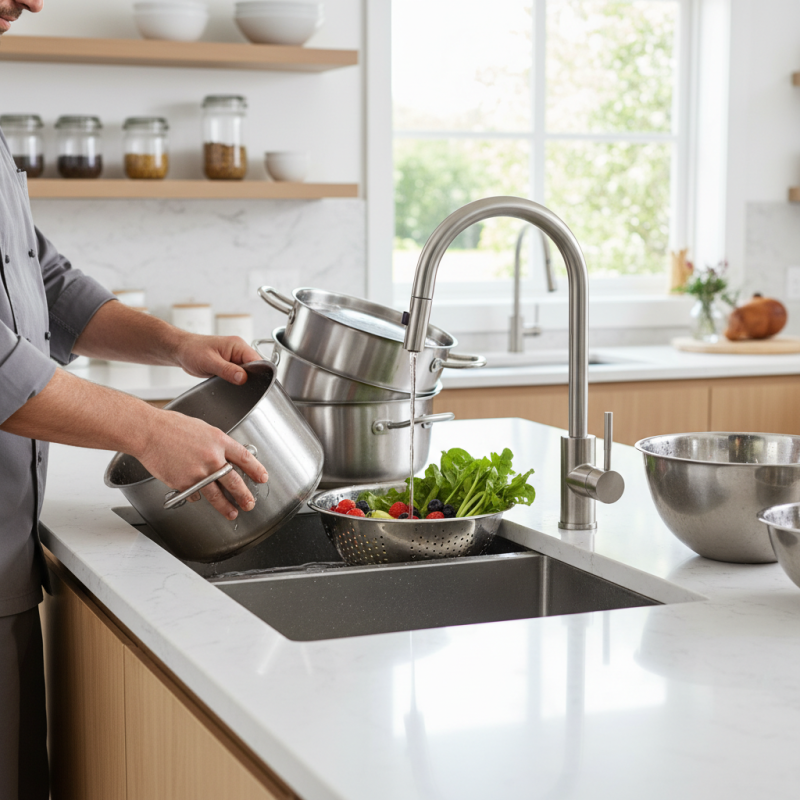
The Role of Deep Sinks in Modern Kitchen Design
Deep sinks are revolutionizing modern kitchen design, enhancing efficiency for users. As kitchens become multifunctional spaces, the design choices significantly impact usability. According to a report by the National Kitchen and Bath Association, over 70% of homeowners now prioritize functionality. Deep sinks serve as a critical component in achieving that goal.
These sinks are more than just a place to wash dishes. Their design allows for larger pots and pans to fit comfortably. This is important for home chefs who value space. A survey by the Kitchen & Bath Industry Show revealed that 65% of kitchen users found deep sinks more effective for meal prep and cleanup. However, while deep sinks offer practical benefits, their size can be overwhelming for smaller kitchens. Some homeowners may feel that a deep sink consumes valuable counter space or clashes with minimalistic designs.
Furthermore, deep sinks can sometimes lead to water splashes, which could become a nuisance. Users often need to adopt careful washing techniques. They should consider placement and height during installation to reduce discomfort. As kitchens continue to evolve, the role of deep sinks is crucial. They offer both style and functionality, ensuring that kitchens remain efficient spaces for gathering and cooking.
Impact of Deep Sinks on Kitchen Efficiency
Enhancing Workflow Efficiency with Deep Sinks
Deep sinks play a crucial role in improving kitchen workflow efficiency. When used correctly, they minimize the time spent on food preparation and cleaning. The shallow design often leads to messy splashes and spills. In contrast, the deep sink contains liquids and debris effectively, allowing for a cleaner workspace. This design encourages quicker task completion, boosting overall productivity.
In kitchens where multiple tasks occur simultaneously, deep sinks can reduce bottlenecks. Chefs can wash vegetables and utensils without interrupting the cooking process. The depth adds convenience when managing pots and pans as well. However, deep sinks require proper maintenance. Regular cleaning prevents buildup, which can hinder efficiency over time.
While the benefits are clear, it's essential to assess the installation space. Not all kitchens can accommodate larger sinks. This limitation could discourage users from maximizing their potential. Ultimately, deep sinks are a valuable asset when integrated thoughtfully into kitchen designs.
Types of Deep Sinks Suitable for Global Kitchen Needs
Deep sinks are versatile kitchen tools adopted by many global buyers. They cater to various needs in both residential and commercial kitchens. The market for deep sinks is projected to grow significantly. A report from the Global Kitchen Appliance Market suggests an expected CAGR of over 5% from 2021 to 2026. This growth highlights the increasing preference for functionality and efficiency.
When it comes to suitable types of deep sinks, there are several options. For instance, stainless steel deep sinks are favored for their durability and resistance to stains. They maintain cleanliness and withstand heavy use. Another option is composite sinks, which offer unique aesthetics and excellent thermal properties. These materials are also increasingly popular due to their eco-friendliness. Additionally, single bowl sinks tend to be more efficient for washing large pots and pans, while double bowl variants allow multitasking.
However, the selection process isn’t always straightforward. Many buyers overlook the impact of depth and size on overall functionality. A very deep sink might be beneficial for larger kitchens but could pose issues for smaller spaces. It’s crucial to assess the specific kitchen layout and needs before making a decision. Additionally, one must consider installation complexity and plumbing requirements, as they can affect cost and convenience.
How Deep Sinks Boost Kitchen Efficiency for Global Buyers? - Types of Deep Sinks Suitable for Global Kitchen Needs
| Sink Type |
Material |
Size (L x W x D) in inches |
Key Features |
Suitable for |
| Single Bowl Sink |
Stainless Steel |
30 x 20 x 10 |
Easy to clean, durable |
Small to Medium Kitchens |
| Double Bowl Sink |
Composite Granite |
33 x 22 x 9 |
Separate washing and rinsing, heat resistant |
Medium to Large Kitchens |
| Farmhouse Sink |
Ceramic |
36 x 25 x 10 |
Deep basin for larger pots, aesthetic appeal |
Modern and Country Style Kitchens |
| Undermount Sink |
Stainless Steel |
32 x 19 x 9 |
Seamless installation, attractive design |
Contemporary Kitchens |
| Prep Sink |
Copper |
18 x 14 x 7 |
Compact size, easy to access |
Gourmet and Professional Kitchens |
Cost-Benefit Analysis of Installing Deep Sinks
When contemplating the installation of deep sinks in kitchens, potential buyers often weigh both cost and benefits. Deep sinks have a distinct advantage in terms of functionality. They accommodate large pots, making washing easier for serious home cooks. This can save significant time, especially during meal prep and cleanup.
Financially, the upfront investment in deep sinks may be higher than standard models. However, consider the long-term savings. With a deep sink, fewer dishes and utensils need to be washed multiple times. This efficiency can lead to lower water bills over time. Additionally, deep sinks can enhance the resale value of a home. Potential buyers may see the advantage of a well-designed kitchen.
However, not every kitchen suits a deep sink. Space limitations should factor into the decision-making process. A deep sink may overwhelm a small kitchen, making it feel cramped. It’s crucial to evaluate the kitchen layout. Buyers should also consider their cooking habits. If large-scale cooking isn't common, the benefits might not justify the costs. Thus, careful assessment is vital before making a commitment.
Trends and Innovations in Deep Sink Technology
Deep sinks are becoming essential in modern kitchens for their efficiency. Innovative designs focus on maximizing utility and space. With deeper basins, washing larger pots and pans becomes easier. This design change saves time and improves workflow in busy kitchens.
Recent trends showcase features like integrated cutting boards and draining racks. These additions streamline food preparation, making multitasking possible. Many users appreciate adjustable depth options, catering to different kitchen needs. However, not all styles suit every kitchen layout, leading to potential inefficiencies.
Some users may find the greater depth awkward. It can be harder for shorter individuals to reach the bottom. Additionally, deep sinks might also require larger water heaters, which can increase energy bills. Balancing functionality and practicality is crucial when selecting a deep sink.
FAQS
: Deep sinks minimize preparation time and keep workspaces cleaner, boosting productivity.
Shallow sinks often lead to messy splashes and spills, making kitchens less efficient.
Yes, they allow simultaneous washing of vegetables and utensils without interrupting cooking.
Regular cleaning is essential to prevent buildup that can hinder their efficiency over time.
Not all kitchens can accommodate larger sinks, which might limit their usefulness.
Integrated cutting boards and draining racks make food preparation easier and more efficient.
Yes, shorter individuals may find it hard to reach the bottom of deeper sinks.
They may require larger water heaters, potentially increasing energy costs.
It’s important to balance functionality with the kitchen's layout and needs.
If the style doesn't fit the kitchen layout, it can create workflow challenges.
Conclusion
Deep sinks play a crucial role in modern kitchen design by enhancing workflow efficiency and catering to the diverse needs of global buyers. The ample capacity of deep sinks allows for easier cleaning of large cookware, reducing time spent on meal preparation and clean-up. This improved organization contributes significantly to a smoother cooking process, demonstrating how deep sinks improve kitchen efficiency.
Additionally, a variety of deep sink types are available to meet different culinary demands, while innovations in deep sink technology continue to evolve. A cost-benefit analysis reveals that investing in high-quality deep sinks can yield long-term savings by streamlining kitchen tasks. Ultimately, embracing deep sinks not only boosts functionality but also aligns with current trends in kitchen aesthetics and efficiency.

 Nura Kitchen