When selecting a Copper Kitchen Sink, expert insights can guide your choice. "Copper sinks combine beauty and functionality," says Ethan Morris, a renowned kitchen design specialist. This statement highlights the unique blend of aesthetics and practicality that these sinks offer.
A Copper Kitchen Sink not only enhances your kitchen's visual appeal but also boasts durability. Their resistance to corrosion makes them a popular choice. However, potential buyers often overlook maintenance requirements. Regular polishing is essential to maintain the sink's luster.
Consider design, size, and finish when selecting your Copper Kitchen Sink. Each factor impacts both functionality and style. It’s easy to feel overwhelmed by the options available. Reflecting on your kitchen's overall decor can help in making the right choice. A thoughtful decision leads to satisfaction in the long run.
Understanding the Benefits of Copper Kitchen Sinks
When considering a copper kitchen sink, it's vital to understand its unique benefits. Copper sinks are not just visually appealing; they offer practical advantages that enhance functionality. For instance, their natural antimicrobial properties help reduce bacteria and germs. This feature makes cleaning easier and ensures a healthier kitchen environment.
Another reason to choose copper is its durability. Copper can withstand heavy use without losing its charm. Over time, it develops a distinctive patina that adds character. However, homeowners should be aware of this change. The evolving color may not appeal to everyone. Routine maintenance is needed to maintain its luster. Regular polishing helps prevent tarnish, but it requires effort.
Lastly, copper sinks are eco-friendly. They are made from a renewable resource. Choosing copper means opting for sustainable materials in your home. However, potential buyers should understand that copper isn't for everyone. It may require a lifestyle adjustment regarding care and maintenance. Understanding these factors can lead to a rewarding decision.
Copper Kitchen Sink Tips for Choosing the Best Option
| Feature |
Details |
| Material Thickness |
Choose between 16 to 18 gauge for durability and functionality. |
| Finish Options |
Available in polished, antique, or brushed finishes to fit your kitchen decor. |
| Installation Type |
Drop-in, undermount, or farmhouse styles available to suit different setups. |
| Maintenance |
Regular cleaning with mild soap and avoiding harsh chemicals is recommended. |
| Antimicrobial Properties |
Copper has natural antimicrobial properties, reducing bacteria growth. |
| Color Variations |
Ranges from reddish to a deeper brown over time, adding character to your kitchen. |
| Longevity |
Copper sinks can last for decades with proper care. |
Considerations for Copper Sink Sizes and Styles
When choosing a copper kitchen sink, size and style play crucial roles. Copper sinks come in various sizes, so it's essential to measure your kitchen space carefully. A sink that's too large can overwhelm your countertop. Conversely, a sink that's too small may limit functionality. Consider your cooking habits, too. If you frequently wash large pots and pans, opt for a deeper basin.
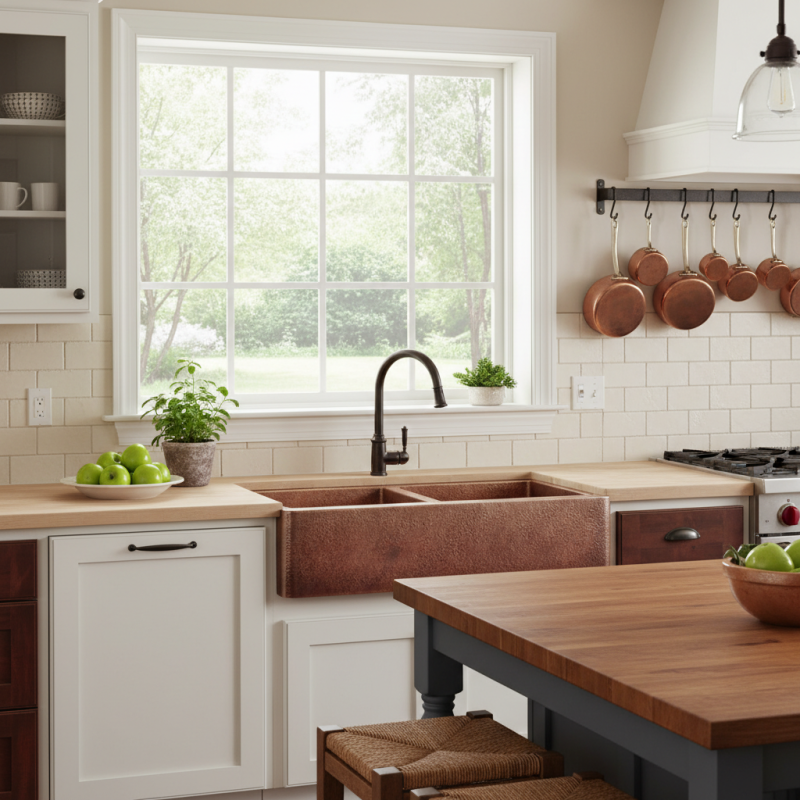
Styles vary widely; from farmhouse to modern designs. A traditional farmhouse sink typically features a large front apron. This creates a rustic charm but may require specific cabinetry adjustments. On the other hand, a sleek, undermount design fits well in contemporary settings. The finish also matters. Some homeowners prefer a polished look, while others gravitate towards an antique patina. Reflect on personal aesthetics; this choice affects how your kitchen feels.
Understanding your needs is vital. Copper sinks demand some maintenance to prevent tarnishing. Think about how much time you're willing to dedicate to upkeep. Each style presents both beauty and challenges. Ultimately, the right sink should reflect your culinary lifestyle and enhance your kitchen's ambiance. Balancing size, style, and maintenance will lead to a more satisfying experience with your copper sink.
Evaluating the Quality of Copper Used in Sinks
When choosing a copper kitchen sink, the quality of the copper is crucial. Not all copper is created equal, and understanding the differences can help you make an informed decision. High-quality copper typically contains a higher percentage of pure metal, which enhances durability and resistance to corrosion. Sinks with at least 99% copper will often provide better performance over time.
Pay attention to the thickness of the copper material. Sinks made from thicker copper will resist dents and dings better than their thinner counterparts. A common range is between 16 to 18 gauge. It may seem like a small detail, but heavier copper often leads to a longer lifespan. Additionally, look for sinks that have been treated with a protective coating. This can help prevent tarnishing and keep your sink looking new.
Consider the finish of the sink as well. Some finishes may show fingerprints more than others, requiring more maintenance. If you opt for an uncoated finish, be prepared for a beautiful patina that develops over time. This patina is unique to each sink and can be seen as a positive aspect, but it does require reflection on your maintenance preferences. Each choice can impact not only the appearance but also the functionality of the sink over the years.
Maintenance Tips for Preserving Copper Sink Beauty
Maintaining the beauty of a copper kitchen sink requires consistent care and attention. Copper sinks are known for their stunning aesthetics and unique patina that develops over time. However, without proper maintenance, they can tarnish or lose their shine. Regular cleaning is essential, but it’s crucial to use gentle, non-abrasive cleaners to avoid scratching the surface.
To preserve the sink’s luster, consider applying a protective coating. Some homeowners choose to use food-safe wax or sealant. This step helps to prevent stains and scratches. However, it's worth noting that the application can sometimes be uneven. It may require touch-ups to ensure it remains effective. Additionally, avoid leaving standing water in the sink, as prolonged exposure can lead to water spots and discoloration.
Regularly wiping down the sink with a soft cloth after use can prevent buildup. Yet, many overlook this simple task and end up dealing with more extensive cleaning later. Lastly, understand that the sink will change over time. Embracing its evolving character can be a delightful part of owning a copper sink.
Comparing Costs and Brands for Best Copper Sink Choices
When selecting a copper kitchen sink, understanding costs and brands is essential. According to industry reports, the price range for copper sinks varies significantly. On average, homeowners can expect to pay between $1,500 and $3,000 for a quality sink. This wide range often reflects the type of copper used, thickness, and craftsmanship involved.
Some consumers might choose cheaper options without realizing that thinner copper can lead to faster deterioration. Thicker sinks, typically around 16-gauge, offer better durability and resistance to dents. However, they may come at a higher price point.
Research shows that homeowners often overlook installation costs, which can add another $300 to $1,000 depending on complexity. It’s wise to compare different brands, even without brand names mentioned. Many brands offer similar features, but warranties vary widely. Several manufacturers provide lifetime warranties, advocating for quality assurance.
Buyers should weigh these factors and personally inspect the sink before purchasing. Gathering quotes from local suppliers also aids in making an informed decision. This kind of research ensures that your choice will last through years of daily use.
FAQS
: Look for sinks with at least 99% pure copper for better durability and performance.
Aim for sinks between 16 to 18 gauge. Thicker copper resists dents and lasts longer.
Copper sinks can have different finishes. Uncoated finishes develop a unique patina over time.
Use gentle, non-abrasive cleaners to avoid scratching. Regular cleaning is important.
Yes, applying food-safe wax or sealant can prevent stains but may need touch-ups.
Avoid leaving standing water in the sink. Prolonged exposure can cause water spots.
Wipe it down with a soft cloth to prevent buildup. Many skip this, causing more work later.
Yes, the sink will develop character. Embracing this change can be part of the experience.
An uncoated finish will create a beautiful patina, but it requires more maintenance.
Consistent care preserves its beauty and prevents tarnishing or loss of shine over time.
Conclusion
When choosing the best Copper Kitchen Sink, it is essential to understand the numerous benefits they offer, such as durability, unique aesthetics, and antimicrobial properties. Considerations regarding sink sizes and styles play a significant role in ensuring that your sink complements your kitchen design and meets your practical needs. Additionally, the quality of the copper used is crucial, as it affects both the sink's longevity and appearance.
Maintaining the beauty of a Copper Kitchen Sink requires specific care techniques, including regular cleaning and applying protective coatings. Lastly, comparing costs and exploring different options will help you make an informed decision. By evaluating these factors, homeowners can find the perfect Copper Kitchen Sink that enhances both functionality and style in their kitchens.

 Nura Kitchen