A sink is more than a place to wash dishes or hands. It often anchors the kitchen, bathroom, or laundry room. Its shape, finish, and position influence how the entire space feels. Yet beauty alone cannot prevent water splashes, stains, or awkward cleaning. A practical sink must support daily habits without making the room look purely utilitarian.
This guide explores how to combine aesthetics and functionality in a sink through ten considered design approaches. It examines basin depth, material strength, faucet placement, drainage, storage, and maintenance. In real renovation projects, small details matter. A deep basin can hide dirty cookware, but it may strain shorter users. A matte finish can soften reflections, but some surfaces show mineral marks quickly. Looks can mislead.
Reliable choices begin with honest observation. Consider who uses the sink, how often it is cleaned, and what objects surround it. Measure the countertop before choosing a striking model. Check whether cabinet space can support the plumbing. Review manufacturer guidance for installation, weight limits, and surface care. Professional advice also helps prevent costly mismatches between style and structure.
The best results usually come from balance rather than perfection. A sculptural sink may become a focal point, while a restrained faucet preserves working space. Warm metal can add character, yet its finish may change over time. That is not always a flaw. It may become part of the room’s story. These ten methods connect visual appeal with dependable performance, helping you choose a sink that remains useful, comfortable, and convincing after the showroom shine fades.
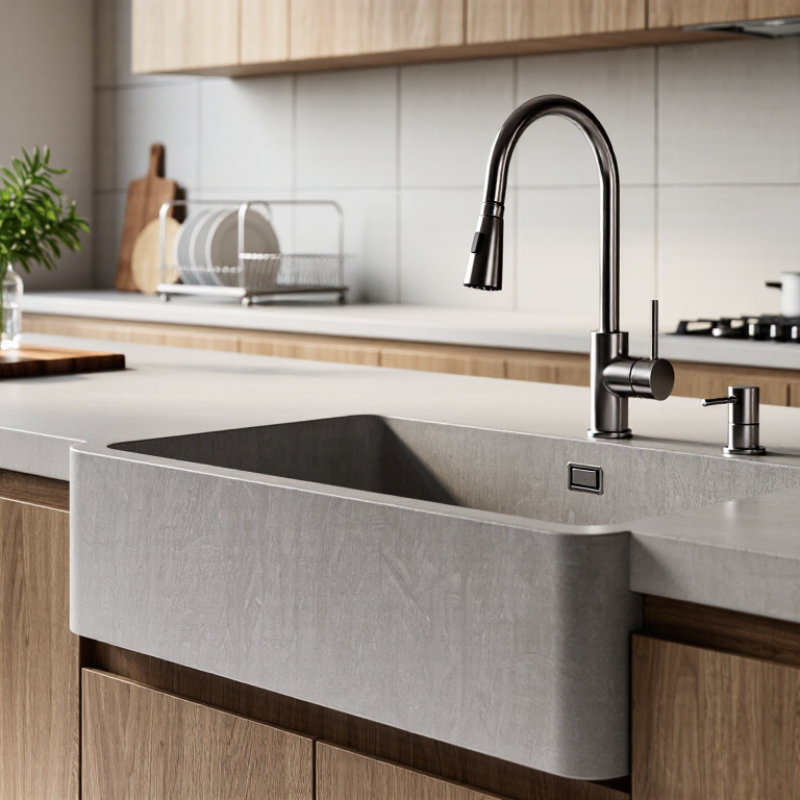
A sink earns its place through daily performance, not appearance alone. Style attracts attention, but function determines long-term satisfaction. In kitchen planning, I assess both before choosing a finish or shape. A deep basin can hide large cookware, while a slim profile may preserve valuable counter space. That balance shifts in compact rooms. Looks matter. Daily movement matters more.
Measure the cabinet width, counter depth, and available clearance around the sink. Then consider bowl depth, drainage, and faucet reach. A sink that sits too low may strain the back during washing. A narrow basin can also create constant splashing. Smooth surfaces simplify cleaning, but highly textured finishes may collect residue around the edges. Small details become visible quickly.
Practical style also means matching the sink to real habits. A busy household may need divided washing areas, while occasional cooks may prefer one generous bowl. Heat resistance, scratch tolerance, and quiet operation deserve careful attention. I once assumed a dramatic shape would improve the room, but its awkward corners made cleaning frustrating. That mistake remains useful. Beauty should support movement, maintenance, and comfort, not compete with them.
A sink should survive daily impact, heat, stains, and rushed cleaning. Material choice matters more than a dramatic shape. Stainless steel remains practical because it tolerates hot pans and repeated use. Its brushed surface also hides small scratches better than a polished finish. The 2024 Houzz U.S. Kitchen Trends Study reports that 62% of renovating homeowners upgraded their sinks or faucets, showing how often this area receives attention during remodeling. Still, stainless steel can sound sharp under falling water. A deeper basin and sound-deadening pads can reduce that problem.
Fireclay offers a bright, substantial appearance, but its glazed surface needs careful handling around heavy cookware. Composite stone resists many stains and creates a softer, matte look. However, darker finishes may reveal mineral deposits, especially where hard water dries. The U.S. Environmental Protection Agency’s WaterSense criteria limit bathroom faucet flow to 1.5 gallons per minute, up to 30% less than standard models. Lower flow can reduce splashing, but it does not remove cleaning needs. Wipe the rim after use. Avoid abrasive powders on delicate finishes. I once assumed a spotless white sink would be easiest; visible marks proved otherwise. That choice deserved more thought. Check the manufacturer’s care guidance, installation support, and repair options before judging visual appeal alone. A beautiful sink that demands constant caution may not function beautifully.
A well-designed sink should fit the way your kitchen actually works, not only match its cabinets. Measure the counter, dishwasher position, and main walking route before choosing a model. A 30- to 33-inch sink often suits everyday cooking, while a larger basin helps with roasting pans. However, oversized sinks can reduce valuable counter space.
Shape matters during real tasks. A deep single bowl handles bulky cookware, but a divided bowl can separate washing from rinsing. The National Kitchen and Bath Association recommends practical landing space beside the sink, including about 24 inches on one side and 18 inches on the other. These clear areas make chopping, draining, and unloading safer. They also prevent wet dishes from blocking the cook’s main workspace.
Layout deserves careful attention. Placing the sink near the dishwasher simplifies cleanup, especially when several people share the kitchen. A sink beside the cooking zone reduces carrying distance, but excessive closeness creates traffic problems.
The U.S. Environmental Protection Agency reports that household leaks waste nearly 10,000 gallons of water annually.
Check connections, hose reach, and faucet clearance during installation. Small errors become daily annoyances. I have seen attractive sinks positioned too far from the dishwasher, forcing awkward twisting after every meal. A better choice may look less dramatic, yet perform better for years.
A high-performing sink should do more than look polished. It should control water, reduce splashing, and support quick cleanup. The U.S. Environmental Protection Agency reports that household leaks waste nearly 10,000 gallons of water annually. A tight drain connection and a reliable shutoff valve can prevent small failures from becoming expensive damage.
Flow control matters daily. WaterSense-labeled bathroom faucets use no more than 1.5 gallons per minute, about 30% less than standard models, according to the EPA. For kitchens, an aerated stream can rinse vegetables without creating a harsh spray. A pull-out nozzle also reaches corners, although poorly designed heads may weaken water pressure. Test the grip before installation.
Depth and drainage shape real performance. A deeper basin can hide dishes, but it may strain shorter users. A sloped base helps water move toward the drain, while a removable strainer catches food particles before they enter the pipe. The 2024 Houzz U.S. Kitchen Trends Study shows that homeowners continue investing in upgraded kitchen fixtures, but appearance alone cannot prove durability. I have seen elegant sinks develop standing water because installers ignored the slope. That detail deserves more attention.
| No. | Design Feature | Functional Benefit | Style Contribution | Selection Tip |
|---|---|---|---|---|
| 1 | Deep, well-proportioned basin | Provides room for washing larger cookware and helps contain splashes during everyday use. | A generous basin creates a clean, uncluttered focal point. | Check cabinet width, bowl depth, and user comfort; an excessively deep bowl can be harder to reach into. |
| 2 | Single-bowl layout | Offers one continuous work area for large pots, trays, and food preparation. | Its simple shape suits both contemporary and transitional kitchens. | Choose a bowl size that leaves enough counter space and fits the tasks performed most often. |
| 3 | Offset or divided basin | Separates tasks such as rinsing and washing while preserving a larger main bowl in some layouts. | Asymmetrical or balanced bowl proportions can add visual interest. | Compare bowl widths and divider height; a high divider may limit room for wide cookware. |
| 4 | Integrated drainboard or sloped draining area | Directs water back toward the bowl and provides a place for air-drying washed items. | Ribbed or subtly contoured surfaces add texture without requiring extra countertop accessories. | Confirm that the slope leads toward the drain and that the layout suits the available counter space. |
| 5 | Workstation ledge with fitted accessories | Supports compatible boards, colanders, or drying racks so some prep tasks can happen over the sink. | A coordinated accessory set gives the sink area a purposeful, tailored appearance. | Check accessory dimensions and storage needs, and make sure the ledge is easy to clean. |
| 6 | Undermount or flush-fit installation | Allows countertop crumbs and spills to be swept directly into the basin when the countertop material permits it. | A minimal rim creates a streamlined transition between counter and sink. | Match the installation method to the countertop material and follow the fabricator’s support and sealing requirements. |
| 7 | Rounded interior corners | Make basin corners easier to wipe clean than tight corners where residue can collect. | Softened edges create a gentler look and can complement rounded fixtures. | Compare the corner radius in person or from detailed specifications; shapes vary between models. |
| 8 | Sound-dampening pads or coating | Can reduce some noise from running water and contact with dishes, particularly in metal sinks. | Quiet operation adds a subtle sense of comfort without changing the visible design. | Look for dampening on the underside and ensure it does not obstruct plumbing or cabinet access. |
| 9 | Durable, easy-care surface finish | A suitable surface helps the sink stand up to routine use and makes regular cleaning more manageable. | Material and finish choices—from understated matte to reflective—help coordinate with surrounding finishes. | Follow the care guidance for the chosen material; abrasive cleaners can damage some finishes. |
| 10 | Well-positioned drain and compatible strainer | Supports effective drainage and makes it easier to collect food scraps before they enter the plumbing. | A coordinated drain fitting provides a neat finishing detail inside the basin. | Check drain placement, plumbing clearance, and strainer compatibility before installation. |
A sink feels intentional when its faucet, accessories, and finishes speak the same visual language. In a well-used kitchen or bathroom, this coordination also improves daily movement. A faucet with a narrow spout can reduce splashing, while a deep basin handles larger cookware or laundry. Style should support these practical choices.
I usually match the faucet finish with cabinet pulls, drains, and towel hardware. Exact matching is not always necessary, but the undertones should agree. Brushed metal works well with soft lighting because it hides water spots and fingerprints. Polished surfaces create sharper reflections, yet they demand more frequent cleaning. Choose carefully.
Accessories should repeat a useful detail. A rounded faucet can pair with curved soap dispensers and a circular mirror. Angular sinks may look stronger with straight shelves and squared handles. Keep the palette limited. Two main finishes are often enough. A third can add interest, but it may also create visual noise.
I once combined a warm metal faucet with cool gray hardware. The result was acceptable, not perfect. The room felt divided under evening light. Replacing only the cabinet pulls improved the balance without changing the sink. That experience reinforced a practical lesson: view samples beside the basin, not across a showroom. Finishes change noticeably near water, stone, and artificial lighting. Even a small mismatch can become obvious every morning.
Editorial ratings show how strongly each design choice can balance visual cohesion with everyday practicality. Scores are comparative, not laboratory measurements.
How to use this: Coordinate faucet and accessory finishes for a unified look, then prioritize easy-clean surfaces, useful storage, and a faucet suited to your sink’s size and tasks.
Stainless steel tolerates hot pans and repeated use. A brushed finish hides small scratches better than a polished one.
Choose a deeper basin and sound-deadening pads. Falling water can still sound sharp.
Fireclay has a bright, substantial look. Handle heavy cookware carefully around its glazed surface.
They resist many stains and have a soft, matte look. Hard-water deposits may show when water dries.
A 30- to 33-inch sink often suits daily tasks. Larger basins fit roasting pans, but can take away counter space.
A deep single bowl handles bulky cookware. A divided bowl separates washing from rinsing. It depends on your routine.
Aim for about 24 inches on one side and 18 inches on the other. That space helps with chopping and draining.
Placing them nearby makes cleanup easier. Check hose reach and faucet clearance during installation. Small mistakes linger.
Wipe the rim after use, and avoid abrasive powders on delicate finishes. A white sink may show more marks than expected.
Combining style and function in a sink begins with understanding how visual appeal and daily practicality can support each other. The key is learning how to combine aesthetics and functionality in a sink by choosing durable, easy-to-maintain materials that complement the kitchen’s overall character. Size, shape, depth, and placement should reflect everyday habits, whether the sink is used for meal preparation, washing large cookware, or multitasking. A well-planned layout can improve movement and make routine tasks more efficient without compromising the room’s appearance.
Functional features can further enhance performance, including convenient drainage, thoughtful basin divisions, protective surfaces, and useful accessories. Faucets should provide the right reach, height, and control for the sink’s dimensions, while finishes and accessories should coordinate with surrounding fixtures for a unified design. When these elements are selected together, the sink becomes more than a practical necessity; it becomes a durable, attractive, and highly efficient part of the kitchen.
Nura Kitchen