When designing a kitchen or bathroom, one of the essential elements is the sink. Homeowners often struggle with how to combine aesthetics and functionality in a sink. A beautiful sink can elevate the look of a space, while a functional one makes daily tasks easier. Finding the right balance can be challenging.
Many sinks offer different styles and materials, but they must also serve their primary purpose. For instance, a deep farmhouse sink can enhance a rustic kitchen’s charm while being practical for washing dishes. However, not every stylish design is user-friendly. Some sinks lack adequate drainage or are difficult to clean, which can lead to frustration.
To achieve the perfect union of style and usefulness, consider various factors. These include size, shape, and material. Opting for a sleek, modern sink might improve your kitchen's elegance. Yet, it's vital to ensure it meets your everyday needs. Reflecting on your lifestyle and preferences is crucial when selecting a sink that will stand the test of time.
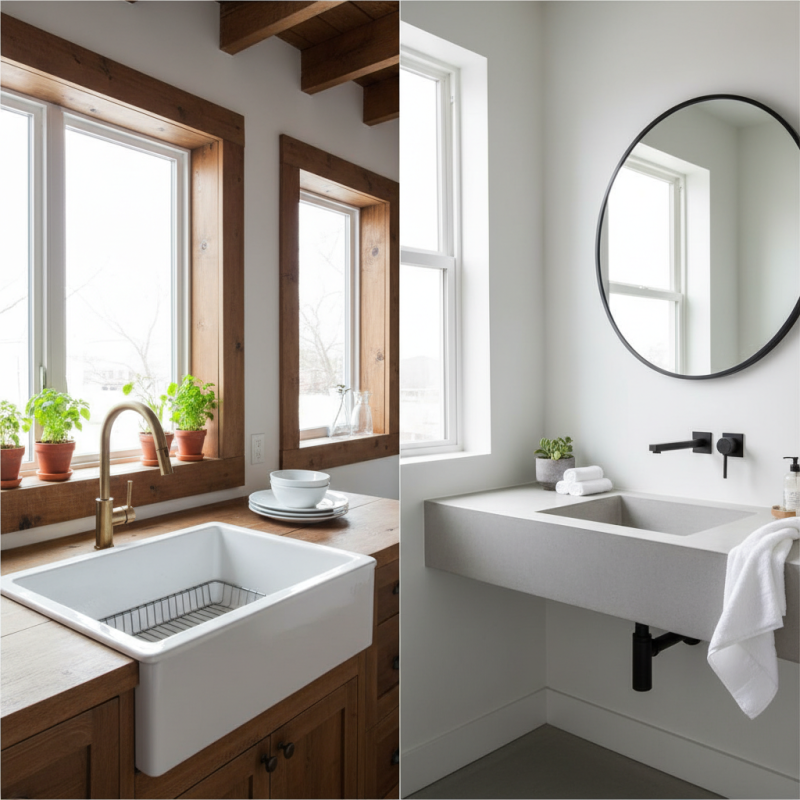
Exploring Sink Materials That Marry Aesthetics and Durability
When considering sink materials, aesthetics and durability should go hand in hand. Stainless steel is a popular choice. It offers a sleek, modern look while being resistant to rust and corrosion. However, it can scratch easily. Frequent use may reveal these imperfections, prompting some homeowners to reconsider their long-term choices.
Ceramic sinks bring charm and character to any kitchen or bathroom. They come in various colors and designs, enhancing overall decor. Yet, they are prone to chipping. A small impact can mar the surface, leading to repairs or replacements down the line. This consideration might make some rethink the balance between beauty and practicality.
Composite materials are on the rise. They mimic natural stone but resist scratches and stains. This combination makes them appealing to many. Still, they might lack the unique appeal of genuine materials. Some users find themselves longing for real granite or marble finishes, questioning if they chose functionality over authentic beauty.
Innovative Design Features for Enhanced Sink Functionality
When it comes to sinks, innovative design features play a crucial role in enhancing functionality while maintaining aesthetics. Many sinks today incorporate smart technology, allowing users to control water temperature and flow with a simple touch. These features not only enhance convenience but also add a modern look to any kitchen or bathroom. Durable materials are often used, blending practicality with stunning aesthetics.
Consider the layout of your sink. Some designs offer deep basins that can handle large pots and pans. This is ideal for busy kitchens. Splashes and stains may still occur, however, especially with lighter finishes. It's worth thinking about maintenance before opting for such styles. Additionally, adjustable spray heads provide versatility for rinsing and cleaning. But, potential leaks can be a source of frustration.
Another popular trend involves built-in storage solutions. Integrated drying racks or compartments elevate the sink's utility. They create a cleaner workspace but can also limit available sink space. Each feature has its pros and cons. Balancing beauty with practicality is key. Choose wisely based on your needs and lifestyle preferences. It is important to reflect on these choices for a seamless integration of sinks into your home.
Top 10 Innovative Design Features for Enhanced Sink Functionality
Color and Finish Choices that Elevate Sink Visual Appeal
When selecting a sink, color and finish choices play a vital role in blending aesthetics with functionality. According to a recent study by the National Kitchen and Bath Association, over 60% of homeowners prioritize visual appeal when choosing kitchen fixtures. This statistic underlines the importance of colors and finishes that not only serve a purpose but also enhance the overall design.
Neutral tones like white or gray remain popular, as they offer versatility. However, bold colors such as navy blue or matte black can create a striking focal point. A matte finish can hide fingerprints and scratches, which is a practical concern. In contrast, glossy finishes catch the light beautifully but require more maintenance. Statistics show that homeowners are increasingly opting for finishes that require less upkeep, which reflects a trend toward practicality over luxury.
Sustainability is becoming increasingly relevant in sink design. Eco-friendly materials like recycled composites are gaining traction. A report from the American Society of Interior Designers indicates that sustainability influences design choices for 45% of professionals. This connection between color, finish, and environmental consciousness reveals an evolving understanding of aesthetics as more than just visual appeal. It invites reflection on how style influences both our environment and daily routines.
Incorporating Smart Technology into Sink Designs
Smart technology is transforming sink designs. Sensors activate water with a simple hand movement. This hands-free feature is hygienic and convenient. It reduces water waste, too. Imagine washing your hands without touching any surfaces.
Another innovation is integrated water filtration systems. These systems provide clean drinking water directly from your sink. You can fill your glass with purified water, enhancing your kitchen's functionality. However, installing such systems requires careful planning. Not all sinks are compatible with these features.
Smart sinks also include touchscreens. Users can set water temperatures with a swipe. But touchscreen functionality can lead to concerns. They may malfunction when wet or dirty. Regular maintenance is essential to keep everything running smoothly. As with any technology, striving for a balance between aesthetics and function is crucial.
Top 10 Ways to Combine Aesthetics and Functionality in Sinks - Incorporating Smart Technology into Sink Designs
| Method |
Description |
Benefits |
Examples of Features |
| Integrated Smart Controls |
Touchless controls for water flow and temperature. |
Enhanced hygiene and convenience. |
Motion sensors, temperature setting. |
| Built-in Water Purification |
Filters contaminants from the water supply directly at the sink. |
Healthier drinking water; eliminates need for bottled water. |
UV filtration systems, carbon filters. |
| Adjustable Sink Depth |
Customizable depth for various tasks. |
Greater versatility for washing dishes or preparing food. |
Height-adjustable features. |
| LED Lighting |
Integrated lighting for better visibility. |
Enhanced ambiance and safety during use. |
Color-changing, task lighting. |
| Self-Cleaning Features |
Automated cleaning functions using UV light or steam. |
Reduced maintenance effort and improved hygiene. |
UV sanitation cycles. |
| Smart Water Monitoring |
Tracks water usage and suggests improvements. |
Promotes water conservation. |
Usage analytics, notifications. |
| Modular Sink Insert |
Interchangeable inserts for different tasks. |
Enhanced functionality and personalization. |
Dish racks, cutting boards, compost bins. |
| Smart Faucet Pairing |
Connects with smart home systems for remote control. |
Increased convenience and control. |
Voice activation, app control. |
| Recyclable Materials |
Use of sustainable materials in sink construction. |
Environmentally friendly options. |
Bamboo, recycled metals, glass. |
Maximizing Space and Organization in Sink Areas for Beauty and Utility
Creating a beautiful and functional sink area requires a thoughtful balance of aesthetics and practicality. Effective space utilization is essential. Choose a sink design that fits the available space while serving your needs. For instance, under-mount sinks often maximize counter space, creating a sleek look and easy cleaning. Consider using shallow sinks to increase counter space, enhancing organization without sacrificing usability.
Incorporate storage solutions under the sink. Use pull-out drawers and organizers to keep cleaning supplies accessible yet hidden away. Open shelving above the sink can add charm while providing a home for decorative items or necessary utensils. Use color and texture to unify the space and create visual interest. A consistent palette, combined with textures like wood or stone, can enhance both beauty and functionality.
Sometimes, a purely aesthetic choice may clash with practical use. Large, ornate sinks may look stunning but could be impractical for daily cleaning. Reflecting on your daily routine can help you find a balance. Prioritize elements that serve a dual purpose, combining style and utility. Thoughtfulness in design choices ensures that your sink area remains both beautiful and functionally efficient.
FAQS
: Popular materials include stainless steel, ceramic, and composite materials. Each has unique aesthetic and practical qualities.
Stainless steel offers a modern look and is resistant to rust. However, it can scratch easily with frequent use.
Ceramic sinks add charm but are prone to chipping. A small impact can lead to repairs or replacements.
Composite sinks mimic natural stone, resisting scratches and stains. Yet, some desire the unique appeal of real stone materials.
Color choices, like neutrals or bold shades, enhance aesthetics. Homeowners often prioritize visual appeal in their selections.
Matte finishes hide fingerprints and scratches. Glossy finishes look beautiful but require more maintenance.
Eco-friendly materials are increasingly popular. Sustainability influences design choices for many professionals today.
Homeowners must weigh beauty against practical concerns. This balance can prompt reflection on long-term choices.
Yes, many homeowners seek finishes that require less upkeep. This trend shows practicality is prioritized over luxury.
Aesthetics and functionality in sink design affect our daily tasks. The choices we make can impact our environment significantly.
Conclusion
This article explores how to combine aesthetics and functionality in a sink through various innovative approaches. It highlights the importance of selecting materials that not only enhance visual appeal but also offer durability, ensuring longevity without compromising style. The discussion includes innovative design features that boost functionality, such as adjustable heights and integrated storage solutions that cater to both beauty and utility.
Additionally, the article emphasizes the role of color and finish choices in elevating the overall visual impact of sinks, allowing for seamless integration into diverse interior styles. It also addresses the incorporation of smart technology, making sinks more user-friendly and efficient. Ultimately, maximizing space and organization in sink areas becomes essential for achieving a harmonious balance between aesthetic allure and practical use, demonstrating that functionality and beauty can indeed coexist.

 Nura Kitchen