In the culinary world, "why colanders and strainers are important for prep sinks" is a question chefs ponder every day. Culinary expert Jane Doe emphasizes, “Strainers are not just tools; they elevate food preparation.” This insight reflects the essential nature of colanders and strainers in the kitchen.
When preparing ingredients, efficient draining and rinsing are crucial. Colanders allow water to flow freely while retaining pasta or vegetables. Strainers help remove fine particles from sauces, ensuring a smooth texture. Every detail matters. Without these tools, kitchens would face chaos during even the simplest tasks.
Imagine a busy kitchen at peak hours. A chef struggles to drain pasta without a colander, creating a mess. This scenario highlights the necessity of having reliable prep tools. Colanders and strainers ensure efficiency and cleanliness, making them indispensable in any kitchen. Thus, understanding "why colanders and strainers are important for prep sinks" serves as a reminder of their value in daily culinary operations.
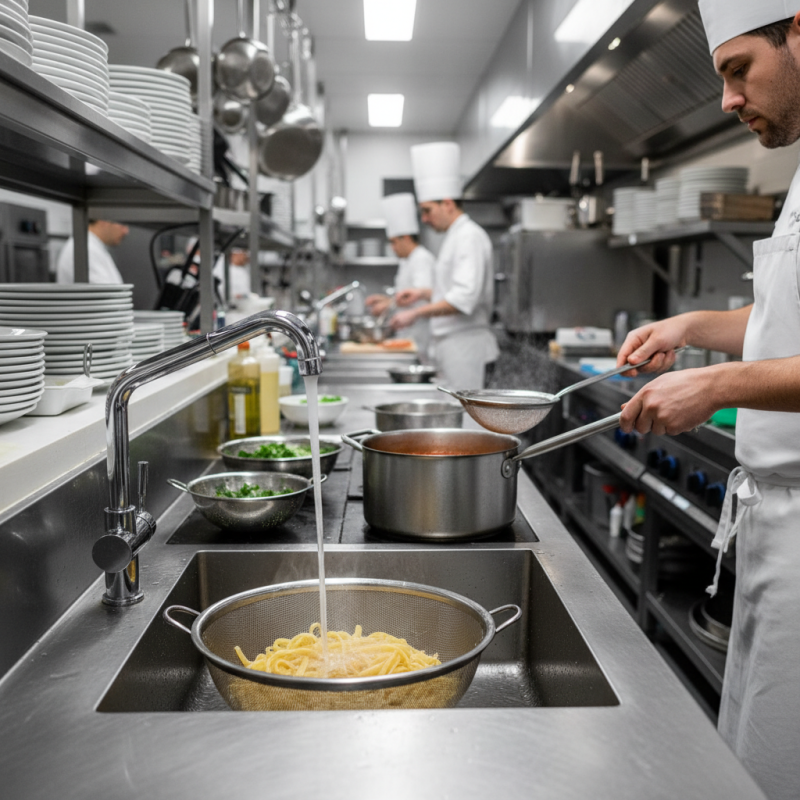
The Role of Colanders and Strainers in Food Preparation
Colanders and strainers play a vital role in food preparation. They streamline the washing and draining process for various ingredients. Whether rinsing vegetables or draining pasta, these tools make the task easier. Their design allows water to pass through while retaining food. This helps in keeping your ingredients clean and ready for cooking.
Tips: Always choose the right size colander. A small one can lead to spills. Make sure it has a non-slip base. This prevents accidents when draining hot items.
Using strainers can improve dish quality. For sauces, a fine mesh strainer works wonders. It removes unwanted solids, giving a smooth texture. However, using the wrong kind might result in clogs. It’s essential to inspect your strainers frequently. A worn-out strainer may not do its job effectively.
Do not forget to clean your colanders properly. Leftover food can ruin future dishes. Pay attention to any stubborn bits stuck in the mesh. Taking a little time to clean can save you trouble later. Well-maintained tools can significantly impact your cooking experience.
Benefits of Using Prep Sinks for Efficiency and Convenience
In today's fast-paced kitchens, prep sinks play a pivotal role in enhancing efficiency. They provide a dedicated space for washing and prepping ingredients. This separation can significantly reduce the mess created during meal preparation. With a prep sink, you can rinse vegetables while simultaneously multitasking on other dishes. It creates a flow in the kitchen that simply cannot be achieved otherwise.
Colanders and strainers are often overlooked, yet they are vital tools for any prep sink. These utensils allow for quick draining of water from pasta or rinsing fruits and vegetables. Using them with a prep sink means less water splashing around. It also saves time, allowing you to focus on cooking instead of cleaning. However, not every kitchen is designed with an efficient prep sink. You might find yourself wishing for better space organization while you're waist-deep in dishwater.
While the benefits are clear, there can be a downside. If a prep sink is not properly maintained, it can become a breeding ground for bacteria. The convenience of having a prep sink might lead to neglecting cleanliness. Users should regularly check and clean their colanders too. An unkempt sink can turn efficiency into frustration. Balancing convenience with cleanliness is an ongoing challenge in any kitchen.
Types of Colanders and Strainers for Different Culinary Needs
Colanders and strainers are crucial tools in any kitchen, especially around prep sinks. They come in various types, each serving specific culinary needs. For instance, a classic colander is perfect for draining pasta. Its bowl shape helps separate water easily, but it may lack fine mesh for capturing smaller ingredients.
Different strainers serve unique functions too. A fine mesh strainer, for example, is ideal for sifting flour or straining sauces. However, the small holes can make cleaning a bit tedious. It's essential to consider the material as well. Stainless steel is durable but can be heavy, while plastic is lightweight but might warp over time.
Tip: Always choose a colander or strainer with a sturdy base. This prevents tipping when pouring out contents. Also, remember to wash them immediately after use to avoid any stubborn food residue.
Another consideration is sizing. A large colander works well for family meals, but it might be cumbersome for small tasks. There’s a fine balance between convenience and practicality here.
Tip: When space is limited, opt for nestable colanders. They take up less room and can still handle various tasks well. It’s all about how you manage your kitchen tools effectively.
Maintenance and Cleaning of Colanders and Strainers in Kitchens
Colanders and strainers are vital for any kitchen, especially near prep sinks. They serve essential functions, aiding in washing vegetables and draining pasta. However, their maintenance often gets overlooked. Regular cleaning is key to keeping them in top shape. Bits of food can easily accumulate in tiny holes. This can lead to unwanted bacteria growth if not addressed.
Cleaning these tools is straightforward but easy to forget. A quick rinse after use is beneficial, but deep cleaning is crucial too. Soaking them in warm, soapy water helps dislodge stubborn debris. A soft brush can reach those pesky spots. However, many people neglect this step, leading to unsightly stains and lingering odors.
It’s also important to check for damage regularly. Cracks may develop over time, compromising their effectiveness. Using damaged colanders can be a bit risky. They may not serve their purpose well, hindering your food prep. Reflecting on these maintenance steps can elevate your kitchen hygiene. It’s a small task that yields great benefits, ensuring these tools remain functional and safe for your food preparation needs.
Innovative Designs and Features of Modern Colanders and Strainers
In modern kitchens, colanders and strainers have evolved significantly. Their innovative designs enhance utility and efficiency. Many come with ergonomic handles, making pouring a breeze. Some models feature integrated spouts for easy drainage. This ensures that every drop counts.
Material choices also play a role. Stainless steel offers durability, while silicone provides flexibility. These materials resist stains and odors. Furthermore, some designs include collapsible features, saving valuable storage space. Yet, with all these advancements, one must consider cleaning. The intricate designs may trap food particles. Regular maintenance can be a hassle.
Color options are also expanding. Bright hues can add personality to your prep sink area. However, not all colors are practical. Some may fade or show stains quickly. It's crucial to weigh aesthetics against functionality. Overall, the balance between form and function remains essential in the kitchen.
Modern Colanders and Strainers: Essential Tools in Prep Sinks 2026
FAQS
: They help wash and drain ingredients efficiently, keeping your food clean before cooking.
A small colander may cause spills. Pick one that easily holds your ingredients.
Make sure your colander has a non-slip base to prevent accidents during draining.
Fine mesh strainers remove unwanted solids, creating a smoother sauce texture.
Leftover food can ruin future dishes and lead to bacteria growth.
Soak them in warm, soapy water, and use a soft brush for stubborn spots.
Frequent clogs during use suggest it may not be working effectively anymore.
Cracks or damage can compromise their effectiveness and hinder food preparation.
Neglecting cleanliness can lead to bacteria growth, turning convenience into frustration.
Regular cleaning and checking for damage ensure colanders and strainers remain functional.
Conclusion
Colanders and strainers play a crucial role in food preparation, particularly in the context of prep sinks. Understanding why colanders and strainers are important for prep sinks hinges on their ability to enhance efficiency and convenience during cooking. They help in effectively rinsing vegetables, draining pasta, and separating liquids from solids, thereby streamlining the cooking process and minimizing mess.
Moreover, various types of colanders and strainers cater to different culinary needs, ensuring versatility in the kitchen. Proper maintenance and cleaning are essential to keep these tools in optimal condition and prevent cross-contamination. With innovative designs and features, modern colanders and strainers offer added functionality, making them indispensable in any culinary setting. Overall, their integration into prep sinks enhances the overall cooking experience, highlighting their importance in today’s kitchens.

 Nura Kitchen