Maintaining a clean and disinfected kitchen sink is essential for food safety. Studies indicate that kitchen sinks host a variety of bacteria, including E. coli and Salmonella. These pathogens can thrive in moist environments, making it crucial to understand how to clean and disinfect kitchen sinks effectively.
Experts recommend using appropriate cleaning agents, but many people overlook the importance of regular maintenance. A survey found that only 30% of households clean their sinks daily. This lack of routine can lead to harmful bacteria build-up, which poses health risks.
Cleaning isn't just about aesthetics; it's about minimizing contamination. The American Cleaning Institute emphasizes the significance of disinfecting kitchen surfaces. Inadequate cleaning could lead to cross-contamination during food preparation. Thus, learning the best methods is vital for a safe kitchen environment.
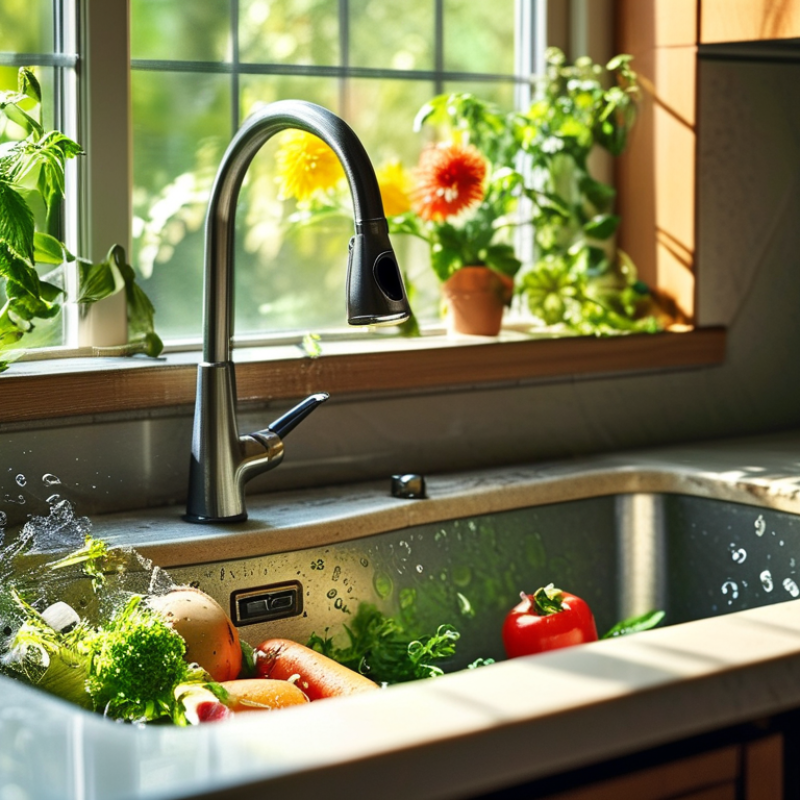
Choosing the right cleaning supplies for kitchen sinks is crucial for effective disinfection. Many homeowners overlook this aspect. While bleach and ammonia are common choices, they can produce harmful fumes. Instead, consider natural alternatives that are effective yet safe.
Baking soda and vinegar are excellent options. Baking soda acts as a gentle abrasive, while vinegar cuts through grease. Combine them for a powerful cleaning duo. Essential oils can also enhance your cleaning supplies. Options like tea tree oil and lemon oil offer antibacterial properties and pleasant scents.
Many people neglect the importance of proper application. Simply using the right supplies isn't enough. Rinse the sink thoroughly after cleaning to prevent residue buildup. Remember to let natural cleaners sit for a few minutes for maximum effectiveness. These small adjustments can make a significant impact on how clean and fresh your kitchen sink feels.
Preparing your kitchen sink for cleaning and disinfection is crucial for maintaining a healthy space. Start by removing all items from the sink area. This includes dishes, sponges, and any cleaning supplies. Make sure the sink is empty, as this allows for a thorough clean. Inspect the sink for any leftover food particles or debris. Wipe down the surface with a dry cloth to collect loose debris before proceeding.
Tips: Use a mixture of warm water and vinegar to help loosen grime. Vinegar is a natural disinfectant. After drying the sink, check for any stubborn stains. If you find them, consider a paste of baking soda and water. Apply it directly to the stain. Let it sit for a few minutes before scrubbing gently.
After preparation, it's important to test your cleaning supplies. Not every cleaner works well on all materials. Use a small amount of cleaner on an inconspicuous area to check for reactions. This precaution can prevent damage and discoloration. By preparing properly, you set the stage for a successful clean and disinfect. It’s a step often overlooked but essential for effective cleaning.
Cleaning your kitchen sink effectively is essential for maintaining hygiene in your home. According to a study by the Environmental Protection Agency, kitchen sinks can harbor harmful bacteria like E. coli. Follow these step-by-step techniques to ensure your sink remains a safe space for food preparation.
Start by removing all items from the sink. Rinse it with warm water to eliminate loose debris. Use a sponge and a mild detergent to scrub the surface. Pay special attention to the drain area, where grime often builds up. Rinsing thoroughly is crucial to prevent any soap residue. After drying the sink with a clean towel, apply a disinfectant that is approved by health organizations.
Tips: Consider using a mixture of vinegar and baking soda for a natural cleaning alternative. This method is not only effective but also eco-friendly. Let the solution sit for around fifteen minutes before rinsing.
Once disinfected, don't forget to clean the faucet and handles. These areas often get overlooked. Studies show that germs can transfer easily from hands to faucet handles. A quick wipe with an alcohol-based solution can significantly reduce this risk. Regularly repeating these steps can create a healthier kitchen environment, but remember that even the best cleaning routines might miss some hidden spots. Always reflect on your cleaning habits to improve them.
Maintaining a clean kitchen sink is crucial for overall hygiene. The sink often collects food particles and bacteria, making it a hotspot for germs. Effective disinfection goes beyond simple washing. Start by rinsing your sink with hot water. This initial step helps remove debris that might harbor harmful pathogens.
After rinsing, create a natural disinfectant using vinegar and baking soda. Apply vinegar generously, followed by baking soda. The fizzing reaction breaks down grime effectively. Allow it to sit for ten minutes. This method not only sanitizes but also eliminates odors. For stubborn stains, use a soft brush or cloth.
Regular disinfection also requires forming a routine. After each use, give your sink a quick wipe with a disinfectant cloth. A daily habit can significantly reduce bacterial growth. If you notice persistent smells or stains, consider reassessing your cleaning methods. Keeping your sink clean is an ongoing effort.
Remember, a neglected sink can lead to more serious hygiene issues. Stay proactive in your cleaning approach for a healthier kitchen.
Maintaining a clean kitchen sink is crucial for food safety. Sinks can harbor bacteria like E. coli and Salmonella. A study shows that kitchen sinks can contain 100,000 times more bacteria than a toilet seat. To mitigate this risk, daily care is important.
After each use, rinse your sink with hot water. This simple step removes food particles and reduces bacteria. Scrubbing the sink with a mixture of vinegar and baking soda helps eliminate odors and stains. Industry experts suggest a deep clean every week, especially if you frequently prepare raw meat.
Be mindful of the materials in your sink. Stainless steel can be scratched, harboring bacteria. Use non-abrasive cleaners to maintain its surface. Regularly check for leaks or clogs, as standing water can become a breeding ground. Inspecting your sink allows you to catch issues before they escalate. Daily upkeep requires attention but ensures a hygienic kitchen environment.
| Cleaning Method | Ingredients | Instructions | Frequency |
|---|---|---|---|
| Soap and Water | Dish soap, warm water | Mix soap with warm water, scrub the sink, then rinse with water. | Daily |
| Vinegar and Baking Soda | White vinegar, baking soda | Sprinkle baking soda, spray vinegar, let it fizz, then scrub and rinse. | Weekly |
| Lemon Juice | Lemon, salt | Rub lemon juice and salt on stains, let sit, then rinse. | Bi-weekly |
| Commercial Cleaner | Store-bought sink cleaner | Follow the instructions on the label for effective use. | Monthly |
| Hydrogen Peroxide | Hydrogen peroxide, water | Mix hydrogen peroxide with water, spray, let sit, then rinse. | Monthly |
: A clean kitchen sink reduces harmful bacteria. It directly affects food safety and overall hygiene.
Remove all items from the sink. Rinse it with warm water to eliminate loose debris effectively.
Mix vinegar and baking soda for a natural cleaner. This method is eco-friendly and efficient.
Allow the vinegar and baking soda mixture to sit for about ten to fifteen minutes before rinsing.
Don't forget the faucet and handles. These areas often harbor germs transferred from hands.
Rinse your sink with hot water after each use. This simple action helps eliminate food particles and bacteria.
Reassess your cleaning methods if odors or stains persist. Stubborn grime may need extra attention or different products.
A deep clean is recommended weekly, especially after preparing raw meat to prevent bacteria buildup.
Avoid abrasive cleaners that can scratch the surface. Scratches can harbor bacteria, creating hygiene issues.
Regular inspections can catch leaks or clogs early. Standing water can create unhygienic conditions or lead to bigger problems.
Cleaning and disinfecting kitchen sinks is essential for maintaining a healthy kitchen environment. To understand how to clean and disinfect kitchen sinks effectively, begin by choosing suitable cleaning supplies, such as non-toxic cleaners and disinfectants. Before diving into the cleaning process, properly prepare the sink by removing dishes and debris.
Follow a step-by-step approach to ensure thorough cleaning, including scrubbing all surfaces and rinsing adequately. For effective disinfection, utilize proven methods that target germs and bacteria, ensuring long-lasting sink hygiene. Finally, maintain a clean sink with daily care tips, such as rinsing and drying the sink after each use, to promote ongoing cleanliness and prevent buildup. By following these guidelines, you'll ensure your kitchen sink remains a safe and sanitary space.
Nura Kitchen