In the world of interior design, kitchens often serve as the heart of a home. One of the key components in kitchen design is the sink. It’s essential to consider what trends are shaping modern kitchen sink design. The choices available today reflect functionality, style, and user experience.
People seek to create spaces that blend aesthetics with practicality. Various materials and styles define the current landscape. From stainless steel to farmhouse designs, each option has unique attributes. But not every trend suits every kitchen. Buyers must consider their specific needs and preferences.
The right sink can elevate a kitchen’s style while serving its daily purposes. However, with so many choices, decision-making can feel overwhelming. It’s crucial to reflect on personal tastes and design themes. Understanding what trends are shaping modern kitchen sink design will guide you toward making an informed choice, ensuring you select a sink that enhances your culinary environment effectively.
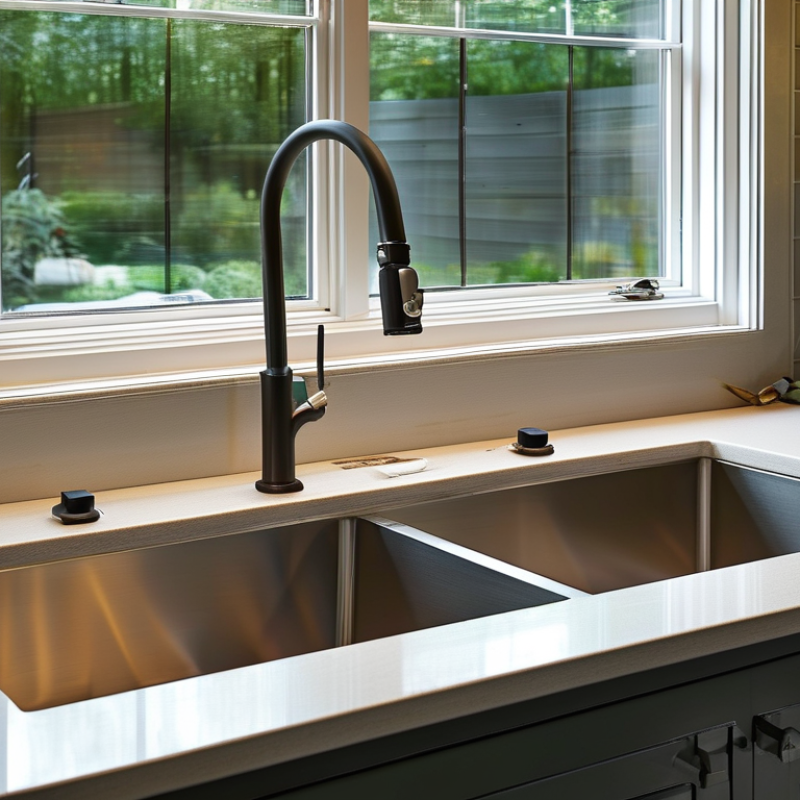
The evolution of kitchen sink designs reflects broader trends in design and functionality. In the last decade, data suggest a shift towards materials like quartz and stainless steel. These materials not only enhance aesthetics but also offer durability. A report from the National Kitchen & Bath Association noted that nearly 70% of homeowners prioritize functionality in their kitchens, pushing sink designs to accommodate multifunctionality.
Recent trends see double basin sinks gaining popularity, accommodating diverse cooking needs. Homeowners seek sinks that can handle tasks from food preparation to dishwashing. This trend aligns with the rise of open-concept kitchens, where the sink serves as a centerpiece. However, while many love the visual appeal of large farmhouse sinks, they may overwhelm smaller kitchen spaces. Balancing style and practicality remains a challenge.
Consumer preferences reveal a growing interest in eco-friendly designs. Research from the American Institute of Architects shows an increase in sustainable materials. However, many consumers find it hard to identify truly eco-conscious options. As modern designs continue to evolve, it’s crucial for homeowners to reflect on their specific needs. Each choice should harmonize with the overall kitchen layout and lifestyle.
When selecting materials for modern kitchen sinks, several options stand out. Stainless steel is popular for its durability and resistance to stains. However, it may scratch easily, which can detract from its look over time. Composite sinks combine materials for strength and aesthetic appeal. They offer a range of colors but may not withstand heavy impacts.
Ceramic sinks present a classic look, adding charm to any kitchen. Their glossy finish is easy to clean, but they can chip or crack with heavy use. Glass sinks, while stunning, require meticulous maintenance to prevent scratches and stains. It’s essential to weigh the beauty against the potential upkeep.
Finishes also play a crucial role in the overall aesthetic. Matte finishes provide a modern touch, giving sinks a softer feel. However, they can show water spots and require regular cleaning to maintain their look. Polished finishes are striking and reflect light beautifully, though they may reveal fingerprints quickly. Careful consideration of material and finish will ensure a functional and stylish kitchen sink.
When designing a modern kitchen sink, functionality is crucial. Recent industry data shows that 70% of homeowners prioritize practical features over aesthetics. For instance, deep basins allow for easy dishwashing and accommodate larger pots and pans. Ergonomic designs can significantly enhance user experience, reducing strain during kitchen tasks.
Integrated accessories have gained popularity, often including cutting boards and colanders. According to trends, 60% of buyers prefer sinks that offer multifunctionality. Adjustable faucet heights and pull-down sprayers provide flexibility. They facilitate seamless food prep and cleanup. However, the complexity of these systems can sometimes lead to issues with maintenance and usability.
The material of the sink also plays a vital role. Stainless steel continues to be favored due to its durability and resistance to stains. Yet, some homeowners face challenges with scratches and water spots. Composite sinks offer an alternative, combining aesthetics with resilience, but can be more expensive. Understanding these nuances is vital for making well-informed decisions about kitchen sink designs.
Kitchen sink design has evolved significantly. The shapes and styles of sinks play a vital role in modern kitchens. Today, homeowners have many options to choose from. Whether you prefer a classic look or a sleek, contemporary style, there is something for everyone.
The trend towards minimalist designs is notable. Many sinks now feature clean lines and simple shapes. These designs create a spacious feel in the kitchen. On the other hand, bold, statement sinks are also gaining popularity. Sinks with unique shapes, such as a round or asymmetrical ones, can serve as a focal point. However, not every bold design works in every kitchen. Consider your kitchen’s overall aesthetic before making a choice.
Materials are another aspect to examine. Stainless steel remains a popular choice due to its durability. Yet, other materials like composite or fireclay may offer a more unique look. Reflecting on personal needs is essential here. A stylish sink shouldn’t sacrifice functionality. Mixing aesthetic appeal with practical features is key. Your sink should not only look good but also serve your daily cooking tasks effectively.
When selecting a kitchen sink, sustainability is key. Choose materials that are environmentally friendly. Stainless steel or recycled composites often fit the bill. These materials reduce waste and are durable. A well-made sink can last for years, minimizing replacement needs. It's essential to think long-term.
Water efficiency is another crucial aspect. Look for designs that optimize water flow. Faucets with aerators save water without sacrificing performance. Combining these elements can lead to a significant reduction in water usage over time. Consider integration with your home’s water filtration system for added benefits.
Reflect on your sink’s impact. Its production, shipping, and disposal can affect the environment. Are you choosing local manufacturers? Supporting local reduces the carbon footprint. Sustainability is not just a trend; it's becoming a necessity. Thoughtful decisions can help create a greener future in kitchen design.
| Design Element | Material | Sustainability Aspect | Aesthetic Appeal | Maintenance |
|---|---|---|---|---|
| Farmhouse Sink | Reclaimed Wood | Eco-friendly sourcing | Rustic charm | Moderate |
| Undermount Sink | Stainless Steel | Recyclable | Sleek modernity | Easy |
| Basin Sink | Natural Stone | Sustainable quarrying | Timeless elegance | Requires care |
| Integrated Sink | Recycled Materials | Zero waste | Futuristic look | Very low |
| Drop-in Sink | Porcelain | Durability | Classic style | Moderate |
: Modern sinks feature minimalist designs with clean lines. Bold, unique shapes are also gaining attention.
Material selection influences both style and durability. Stainless steel is popular, but composites offer unique aesthetics.
Yes, a stylish sink should not compromise functionality. Balance looks with practical features for daily tasks.
Look for environmentally friendly materials. Options like recycled composites are both durable and eco-friendly.
Choose designs that optimize water flow. Faucets with aerators reduce water waste while maintaining performance.
Sourcing locally reduces carbon footprints. Supporting local manufacturers helps minimize environmental impact.
Not every bold design fits all kitchens. Consider the overall aesthetic of your space before deciding.
The sink’s production, shipping, and disposal affect the environment. Reflect on these aspects when selecting a sink.
Prioritizing only looks may lead to impractical choices. Reflect on daily usage to avoid future regrets.
No, sustainability is becoming a necessity. Thoughtful choices can lead to a greener future in kitchens.
The article "2026 How to Choose the Best Trends in Modern Kitchen Sink Design?" explores various aspects that are influencing contemporary kitchen sink designs. It begins by understanding the evolution of kitchen sinks over the years, highlighting how functionality and aesthetics have transformed over time. Key materials and finishes utilized in modern sinks, such as stainless steel and composite options, are identified, showcasing the balance between durability and style.
Additionally, the article delves into functional features that are becoming essential, such as integrated accessories and smart technology. Aesthetic trends are also discussed, with an emphasis on popular shapes and styles that complement current kitchen designs. Lastly, sustainability considerations are highlighted, guiding consumers on how to make eco-friendly choices in their sink selection. Ultimately, the article addresses what trends are shaping modern kitchen sink design, providing valuable insights for those looking to update their kitchens.

Nura Kitchen