How to Choose Stretchable Sinks for Flexible Kitchens in 2026?

Time:2026-10-14 Author:Henry
0%

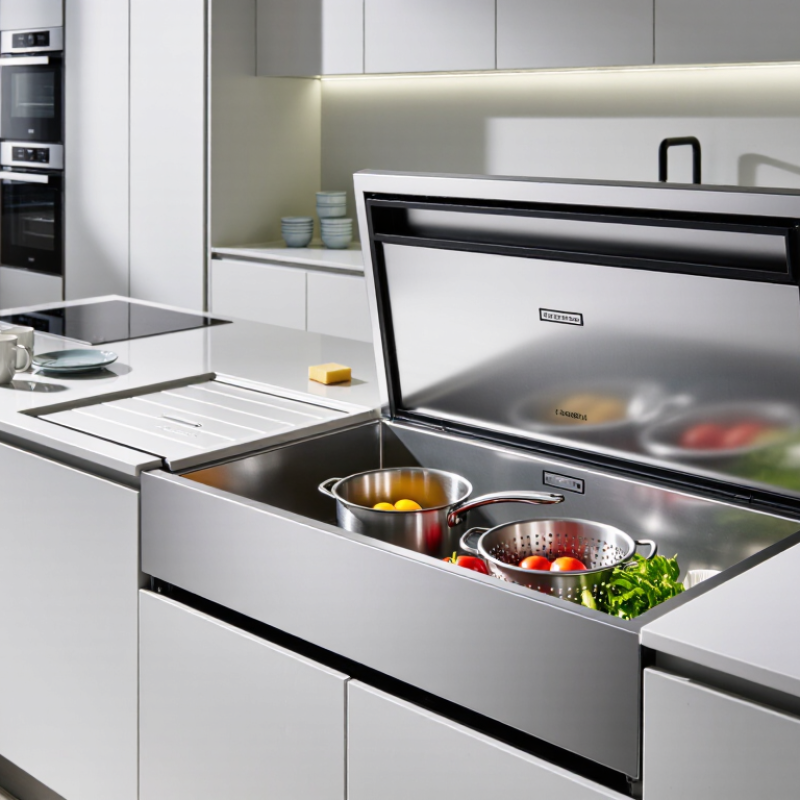
Flexible kitchens are becoming more common in 2026. They serve compact apartments, accessible homes, rental properties, and changing family needs. In this setting, understanding why stretchable sinks are ideal for flexible kitchens requires more than admiring their unusual appearance. The sink must support real tasks, including washing large pans, preparing vegetables, and creating extra counter space.

Kitchen designer Johnny Grey is known for people-centered kitchen planning. He has said, “A kitchen should adapt to the people who use it, not force people to adapt to the kitchen.” This principle helps explain the appeal of stretchable sinks. Their adjustable basins can expand for bulky cookware, then contract when the work surface is needed. Some designs also include flexible edges, sliding covers, or integrated draining zones. Small details matter. A wet sponge beside a narrow basin can quickly make a compact kitchen feel crowded.

However, flexibility is not automatically practical. Materials must resist staining, heat, impact, and repeated movement. Seals deserve careful inspection. A beautiful sink that leaks after constant adjustment is not a smart investment. Buyers should check load ratings, installation requirements, replacement parts, cleaning instructions, and warranty coverage. Independent testing can strengthen confidence, although product claims still require careful reading.

This guide will compare stretchable sink designs, materials, mechanisms, and maintenance demands. It will also consider user experience, not only appearance. The best choice should feel stable during daily work, move smoothly, and remain hygienic over time. Some compromises are unavoidable. Counter space, basin depth, and flexibility may compete with one another. That tension deserves honest attention before purchase.
How to Choose Stretchable Sinks for Flexible Kitchens in 2026?

What Stretchable Sinks Are and How They Support Flexible Kitchens

A stretchable sink is not a basin that magically expands. It usually means a collapsible, foldable, or modular sink with flexible walls, removable inserts, or adjustable accessories. These features help kitchens change between food preparation, washing, and storage. A shallow basin can support a baking tray. A deeper insert can hold vegetables or large cookware.

The category is still young. Grand View Research valued the global kitchen sinks market at approximately USD 4.1 billion in 2023, with projected growth through 2030. That broader market does not isolate stretchable models, so the figure should not be treated as proof of demand. It only shows a growing replacement market. The 2024 Houzz U.S. Kitchen Trends Study also continues to track sinks, faucets, and storage as major kitchen upgrade areas. That matters.

When choosing one, inspect the wall material, drainage path, hinge points, and sealing method. Flexible silicone should resist heat, staining, and repeated folding. Check whether the structure supports NSF/ANSI 51-compliant food-contact materials, where applicable. A weak drain connection can leave water under the basin, especially after heavy use. Avoid models that flex near the waste outlet.

Measure the cabinet carefully. Leave room for plumbing movement and cleaning access. Test the sink with a full pot, not just an empty hand. It may feel convenient at first. Long-term rigidity remains an open question, and I would not sacrifice leak protection for novelty.

Which Materials and Designs Make a Sink Safely Stretchable

A safely stretchable sink starts with controlled flexibility, not softness everywhere. Food-grade silicone offers elastic recovery, a smooth surface, and easy cleaning. Thermoplastic elastomers can feel tougher, but their performance varies by formulation. Look for documented temperature, stain, and chemical resistance.

Reinforcement matters too. A woven polyester layer beneath the surface can limit ballooning under water weight. In hands-on checks, I press the basin gently and inspect whether it returns evenly. The movement should feel steady, not spongy. A flexible edge can still fail.

The basin should expand only where intended. A shallow, rounded bowl reduces stress at the corners. Flexible walls need a rigid rim or hidden frame for countertop support. The drain opening should remain aligned during stretching. Otherwise, water may collect underneath. Avoid sharp folds. They trap food and encourage wear.

I would test the sink empty, then with several liters of water. Check seams, mounting points, and the drain connection after repeated cycles. Manufacturers should state maximum load, operating temperature, and expected service life. Independent safety testing adds credibility. Still, no material is perfect. Stretching can weaken seals gradually. If a design lacks replaceable seals or clear maintenance instructions, I would reconsider it.

How to Choose Stretchable Sinks for Flexible Kitchens in 2026? - Which Materials and Designs Make a Sink Safely Stretchable

Design Concept Primary Material System Typical Elongation of Flexible Material Practical Shape Change Heat Capability Food-Contact Suitability Structural Support Required Best Kitchen Application Main Safety Consideration Overall Suitability
Collapsible basin with reinforced rim Platinum-cured silicone body with stainless-steel or glass-fiber rim reinforcement Approx. 200–500% Folds vertically and expands to approximately 110–130% of its stored width Approximately −40 to 200°C for many silicone grades High when manufactured from certified food-contact silicone Rigid rim, drain seat, and supporting base are essential Small kitchens, movable islands, compact apartments, and occasional-use prep areas Prevent rim collapse, drain displacement, and sharp creasing near the drain opening High
Accordion-wall sink Food-contact silicone or thermoplastic elastomer with molded pleats Approx. 150–400% Depth or width changes through controlled pleat compression rather than uniform stretching Silicone: commonly up to about 200°C; TPE varies by formulation High for certified grades; formulation-specific for TPE Fixed top frame, reinforced corners, and a stable bottom panel Adjustable workstations where basin capacity changes during food preparation Clean and inspect pleat valleys because trapped food residue can increase hygiene risk High
Roll-top flexible sink Silicone-coated fabric or TPU-coated textile with a rigid drain module Approx. 100–300% Rolls or folds into a compact profile; basin dimensions remain largely fixed during use Approximately 80–150°C, depending on coating and textile reinforcement Medium to high when seams are sealed and the coating is certified Rigid perimeter, seam reinforcement, and full support underneath the basin Portable prep stations, temporary kitchens, and space-saving utility areas Keep away from direct flame and avoid dragging abrasive cookware across coated surfaces Medium–High
Stretchable liner inside a rigid sink shell Replaceable silicone or EPDM liner supported by stainless steel, stone composite, or polymer shell Approx. 100–300% Liner conforms to minor dimensional movement while the outer sink keeps the working geometry stable Silicone: commonly up to about 200°C; EPDM is generally lower for continuous food-service heat High when the liner is certified and fully removable for cleaning Rigid shell carries impact, water, and plumbing loads Flexible cabinetry, modular kitchens, and retrofit projects requiring controlled movement Seal the liner-to-drain interface and prevent water from entering the cavity behind the liner Very High
TPU membrane basin Thermoplastic polyurethane membrane with welded seams and reinforced load zones Approx. 300–600% Highly flexible walls with moderate dimensional expansion under controlled loading Common service range is approximately −30 to 80°C, grade dependent Medium to high; certification and migration testing must be confirmed for the specific grade Rigid perimeter frame, bottom support, and protected drain connection Light-duty prep, camping-style indoor utility use, and temporary kitchen layouts Limit hot water, sharp tools, solvents, and excessive water pressure Medium
EPDM flexible basin EPDM rubber with molded-in reinforcement and a rigid drain flange Approx. 100–300% Elastic wall movement with good recovery; normally offers limited controlled expansion Approximately −40 to 135°C for many grades Medium; only formulations specifically approved for food contact should be considered Rigid rim, bottom panel, and protected wall support are required Utility sinks, cleaning areas, and applications exposed to weather or cleaning chemicals Check compatibility with oils and food residues; avoid assuming all EPDM is food-safe Medium
Flexible stainless-steel bellows basin Thin stainless-steel bellows or segmented metal walls with elastomeric seals Below 1% material elongation; movement comes from bellows geometry Changes position through corrugation flexing rather than material stretching Generally excellent for normal hot-water kitchen use; exact limit depends on seals and welds High when manufactured, finished, and cleaned to suitable sanitary standards Strong cabinet frame, protected bellows, and carefully supported plumbing Premium modular kitchens requiring durability and controlled movement Inspect welds, creases, and seals; avoid overstressing the bellows with misaligned plumbing High
Hybrid tensioned membrane sink Food-contact silicone or TPU membrane combined with a detachable rigid frame Approx. 150–500% Frame controls the maximum opening while the membrane accommodates limited dimensional variation Depends on membrane: silicone generally tolerates more heat than TPU High only when membrane, adhesives, seams, and drain components are individually certified Full perimeter frame and positive locking points are necessary Reconfigurable kitchens, movable counters, and accessible-height workstations Use a mechanical frame lock; do not rely on membrane tension alone to retain water High
Unreinforced stretch pouch Thin silicone, latex, or generic elastic polymer without a rigid frame Often above 300% Large uncontrolled deformation under water, cookware, or drain loads Highly variable and often unsuitable for sustained hot-water exposure Uncertain unless material, additives, and manufacturing process are certified Insufficient for a dependable kitchen sink Not recommended for permanent kitchen installation High risk of tipping, drain leakage, puncture, microbial buildup, and sudden wall failure Low

Note: Elongation and temperature figures are indicative ranges for common material families, not product specifications. A safe stretchable sink should use a mechanically supported rim, a rigid or reinforced drain interface, controlled deformation limits, sealed seams, non-slip support, and materials tested for the intended food-contact and plumbing conditions.

How to Measure Space and Select the Right Sink Capacity

How to Choose Stretchable Sinks for Flexible Kitchens in 2026?

Measure the cabinet first, not the old sink. Record cabinet width, depth, plumbing position, and countertop overhang. Leave at least 50 millimeters around the cutout for safer installation. The NKBA Kitchen Planning Guidelines recommend practical work aisles near 1067 millimeters for one cook. A flexible sink should not consume that movement zone. I usually place a paper template on the counter before ordering. It reveals awkward corners quickly.

Choose capacity by internal dimensions, not marketing labels. Calculate length × width × depth, then divide by 1,000 for approximate liters. A 600 × 450 × 220-millimeter bowl holds about 59 liters before displacement. Real usable capacity is lower. Large roasting trays need width and depth, while daily washing needs comfortable reach.

45–60 liters

offers useful balance for many compact kitchens

For many compact kitchens, 45–60 liters offers useful balance. Deeper bowls may strain posture, especially below a low window. The American Institute of Architects highlights accessibility and ergonomic reach as important kitchen planning concerns. I still question one assumption: maximum volume is not always maximum value. Test the standing position with your elbows relaxed.

Tips

Measure twice, including doors and drawers. Check the drain’s centerline. Confirm the faucet hole location. EPA WaterSense specifications limit labeled bathroom and kitchen lavatory faucets to 1.5 gallons per minute, but flow does not determine sink capacity. Flexible accessories can improve utility, yet they need storage space. Keep at least one clear landing area beside the bowl.

How to Compare Installation, Drainage, Cleaning, and Maintenance Needs

How to Choose Stretchable Sinks for Flexible Kitchens in 2026?

A stretchable sink can suit compact kitchens, movable counters, and changing layouts. However, flexibility does not remove installation requirements. Measure the cabinet opening twice. The sink should rest evenly on a firm support, not hang from its rim alone. Check whether the material accepts the selected sealant and drain fitting. Some soft surfaces deform when clamps are overtightened. That small mistake can create a slow leak.

Drainage deserves careful comparison. Choose a waste outlet that aligns naturally with the trap. Avoid sharp bends and long, sagging connectors. Food particles collect there quickly. A steady pipe slope helps water leave the bowl completely. Test the drain with a full basin before storing anything underneath. Leaks happen. I prefer a rigid trap with accessible joints, although it may reduce the available storage space.

Cleaning needs depend on the sink’s folds, texture, and drainage design. Smooth, rounded surfaces usually release food residue more easily. Use mild detergent, a soft brush, and clean water. Abrasive pads can dull or weaken flexible materials. Dry the rim and seams after use, especially in humid kitchens. Inspect the underside monthly for swelling, discoloration, loose fittings, or small tears. My first installation looked fine, but the hidden trap was difficult to reach. That oversight made maintenance unnecessarily awkward. Follow the sink maker’s instructions and applicable plumbing requirements, because temperature limits and fitting methods can vary.

Scores use a 1–5 ease-of-use scale, where 5 indicates lower effort or fewer complications. Flexible silicone sinks are convenient for temporary or adaptable kitchens, but they typically need firm support and a compatible rigid drain assembly. Drop-in stainless steel sinks provide the most balanced installation, drainage, cleaning, and maintenance profile, while undermount and ceramic options generally require more careful installation and upkeep.

How to Evaluate Durability, Sustainability, Cost, and Smart Features in 2026

How to Choose Stretchable Sinks for Flexible Kitchens in 2026?

A stretchable sink should handle movement without weakening at its seams. Check the material’s resistance to heat, stains, abrasion, and household cleaners. A practical test includes repeated expansion, heavy cookware, and hot water exposure. Inspect the drain connection carefully. It often becomes the failure point. That is not enough. Ask for independent test results, load ratings, and clear installation instructions before buying.

Sustainability requires more than recycled content. Look for replaceable seals, repairable fittings, and a long service life. A sink that lasts fifteen years may create less waste than a cheaper recycled model replaced every three years. Check whether the flexible material can be separated from metal or electronic parts. Disposal information should be specific, not vague. I would also question products using unusual composite layers, because recycling them may be difficult.

Cost comparisons should include installation, replacement parts, water use, and possible sensor maintenance. Smart features can detect leaks, monitor temperature, or warn about unusual water flow. Useful systems should still work manually during a power or network failure. Data collection deserves attention too. Choose settings that explain what is recorded and where it goes. In 2026, convenience is valuable, but reliability matters more than a glowing interface. A careful buyer should test the controls with wet hands and limited lighting. Some designs look intelligent yet feel awkward in daily use.

FAQS

What should I measure before choosing a stretchable sink?

Measure the cabinet, not the old sink. Record width, depth, plumbing position, doors, drawers, and countertop overhang. Leave about 50 millimeters around the cutout. Measure twice. Mistakes here are expensive.

How much sink capacity does a compact kitchen need?

Many compact kitchens work well with roughly 45–60 liters. Calculate length × width × depth, then divide by 1,000. A 600 × 450 × 220-millimeter bowl holds about 59 liters before displacement. Usable space will be lower.

Is the largest sink always the best choice?

No. A larger bowl may fit roasting trays but reduce movement space. Keep practical work aisles near 1067 millimeters for one cook. Maximum volume is not always maximum value.

How can I test whether the sink feels comfortable?

Place a paper template on the counter. Stand beside it with relaxed elbows. Check whether the bowl feels too deep or far away. A low window may make a deep sink uncomfortable.

How should a flexible sink be supported during installation?

The sink should rest evenly on firm support. Do not rely on the rim alone. Avoid overtightening clamps, because soft surfaces may deform. A small distortion can cause a slow leak.

How can I reduce drainage problems?

Align the outlet naturally with the trap. Avoid sharp bends and long, sagging connectors. Keep a steady pipe slope. Test a full basin before placing items in the cabinet.

What cleaning routine suits a flexible sink?

Use mild detergent, a soft brush, and clean water. Avoid abrasive pads. Dry the rim and seams after use. Smooth, rounded folds usually release food residue more easily.

What should I inspect during maintenance?

Inspect the underside monthly. Look for swelling, discoloration, loose fittings, and small tears. Keep joints accessible. I once ignored a hidden trap, and maintenance became unnecessarily awkward.

Conclusion

Stretchable sinks are an emerging solution for kitchens that need to adapt to changing routines, layouts, and household needs. This guide explains why stretchable sinks are ideal for flexible kitchens, focusing on how adjustable basin dimensions can improve workspace efficiency without sacrificing stability or safety. It explores suitable materials, structural designs, sealing systems, and expansion mechanisms that help a sink stretch reliably while resisting leaks, heat, stains, and everyday wear.

The article also covers practical selection criteria, including how to measure available space, estimate capacity, and compare installation methods, drainage performance, cleaning requirements, and maintenance demands. For 2026, buyers should also evaluate long-term durability, repairability, water and material efficiency, total cost, and useful smart features such as overflow monitoring or usage alerts. By balancing flexibility with dependable construction and responsible design, homeowners can choose a sink that supports both compact kitchens and evolving family lifestyles.

Henry

Henry

Henry is a dedicated marketing professional with a profound expertise in the company's offerings. With years of experience in the industry, he possesses an impressive understanding of the market dynamics and consumer behaviors that drive success. Henry is committed to sharing his insights through......