How to Choose Sinks with Cutting Boards for Maximum Benefits?

Time:2026-07-31 Author:Charlotte
0%

Choosing the right sink with a cutting board can transform your kitchen experience. Expert chef and kitchen designer Sarah Johnson states, "A sink with a cutting board adds functionality and enhances workflow." This integration can save you time during meal prep.

What are the benefits of sinks with cutting boards? They reduce clutter by providing a dedicated space for food preparation. This feature allows you to chop veggies while washing your hands or rinsing produce simultaneously. The seamless transition can elevate your cooking game. However, if not chosen wisely, these sinks can take up valuable counter space.

Durability and material choice are crucial. Opting for high-quality materials ensures longevity. You want a sink that withstands daily use and complements your kitchen style. Reflect on your kitchen habits. Are you ready to commit to a design that maximizes efficiency?
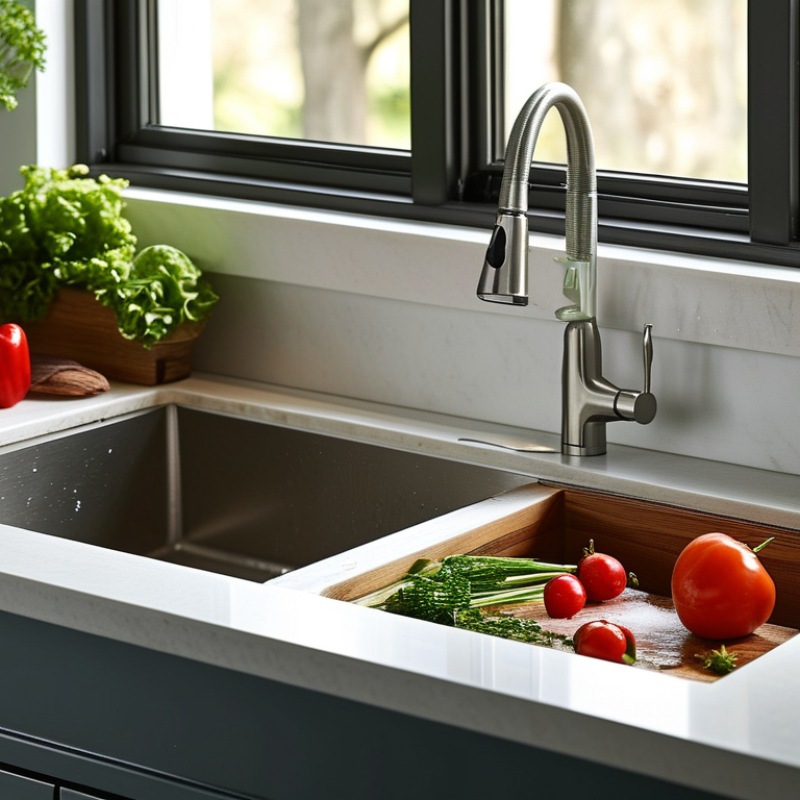
How to Choose Sinks with Cutting Boards for Maximum Benefits?

Understanding the Benefits of Sinks with Cutting Boards

Sinks with cutting boards blend functionality with innovation. They save counter space and streamline food preparation. A report by the National Kitchen and Bath Association (NKBA) shows that 75% of homeowners consider efficient kitchen layouts essential. This highlights the increasing need for multifunctional sink designs.

Incorporating cutting boards into sinks eliminates the hassle of transferring ingredients. It brings convenience directly to the workstation, especially for smaller kitchens. Research suggests that well-designed workspaces can reduce cooking times by up to 20%. This efficiency allows for smoother meal prep and less clutter. However, some users find that cleaning around the cutting board area can be challenging, leading to potential hygiene concerns. Designing products with these practicalities in mind can enhance user experience.

Moreover, many sinks designed with integrated cutting boards use durable materials. Stainless steel and composite surfaces resist wear and tear. Nevertheless, not all materials offer equal ease of maintenance. Report findings indicate that sink cleanliness significantly impacts user satisfaction. Selecting the right sink involves understanding the balance between aesthetics and practicality. Careful consideration of these factors can lead to a more enjoyable culinary experience.

Materials to Consider for Durability and Functionality

When selecting sinks with cutting boards, material choice significantly impacts durability and functionality. Stainless steel is a popular option. It is resistant to stains, rust, and corrosion. According to the American Institute of Steel Construction, stainless steel is 85% less likely to corrode than other metals. This makes it a practical choice for high-use kitchens.

Another viable material is composite granite. It is durable and provides a uniform look. A report from the National Kitchen and Bath Association highlights that composite materials absorb less water compared to traditional surfaces. This leads to increased longevity. However, some users report scratches and chipping if not maintained properly. These issues warrant reflection during the selection process.

Wooden cutting surfaces, while aesthetically pleasing, need careful evaluation. They are prone to wear and may harbor bacteria if not treated correctly. The CDC suggests using proper sealing techniques to minimize these risks. A balance between aesthetics and hygiene is essential when choosing wood. Making informed decisions about materials can enhance your kitchen experience.

How to Choose Sinks with Cutting Boards for Maximum Benefits? - Materials to Consider for Durability and Functionality

Material Durability Maintenance Functionality Cost
Stainless Steel Highly durable, resistant to rust and stains Easy to clean; requires regular polishing to maintain shine Good for hot pots, versatile and functional Moderate
Composite Granite Very durable, scratch- and chip-resistant Low maintenance; just soap and water Stylish; ideal for heavy use High
Fireclay Highly durable, resistant to heat and scratches Requires occasional sealing; sensitive to heavy impacts Elegant look; great for traditional kitchens High
Porcelain Durable if maintained, but can chip Easy to clean; prone to staining Stylish; often used with custom designs Moderate
Wood Durable but requires care to prevent warping Needs regular oiling and sealing Warm aesthetic; good for cutting when treated Low to Moderate

Evaluating Size and Space Requirements for Your Kitchen

When choosing sinks with cutting boards, size and space are vital. A proper fit enhances functionality. Consider your kitchen layout. Are you working with limited counter space? A compact sink with an integrated cutting board can provide more room to prepare meals. This arrangement reduces clutter and makes cleaning easier.

Evaluate the depth of your sink. A deeper sink can accommodate larger pots and pans. However, if space is tight, a shallower sink might be more practical. Take measurements of your cabinets and countertops. Ensure that the docked cutting board doesn't interfere with cabinet doors. Having realistic dimensions will help avoid unexpected surprises during installation.

Lightly textured surfaces can aid in cutting while minimizing slips. Think about surface material and durability. Wood boards may need regular maintenance. Plastic ones are easy to clean but may not be as aesthetically pleasing. Mixing different materials can present practical challenges. Assess your needs and ensure the sink complements your kitchen style while meeting your functionality requirements.

Design Features that Enhance Usability and Aesthetics

When selecting sinks paired with cutting boards, usability and aesthetics are key. A careful blend of design features can significantly enhance the kitchen experience. Look for sinks with spacious basins. This allows for easy washing of larger pots and pans. A built-in cutting board that fits seamlessly over the sink can save counter space. Using materials that resist stains and scratches is also vital for longevity.

Visual appeal plays a critical role as well. Choosing a sink with clean lines and a neutral finish can complement various kitchen styles. Consider the height and depth of the sink. A more ergonomic design makes prep work comfortable. Lighting near the sink area can improve visibility while working. Adding accessories like rinsing baskets can enhance efficiency.

Reflecting on personal needs is important. Not all designs work for every home. Think about your cooking habits. Also, consider your kitchen's overall layout. A beautiful sink is not solely about looks. It should also enhance daily tasks. Finding the right balance between form and function can elevate your kitchen environment.

Tips for Maintaining and Cleaning Your Sink and Cutting Board Combo

Maintaining a sink with a cutting board combo requires routine care. Clean the sink daily to remove food particles and prevent stains. Use mild dish soap and warm water. Avoid abrasive cleaners, as these can scratch surfaces. Rinse thoroughly after washing. A quick wipe down will keep your sink looking fresh and inviting.

For the cutting board, it’s essential to know what materials you’re dealing with. Wood boards often need oil treatment to keep them hydrated. This reduces cracking. Plastic boards can be sanitized easily but may retain odors over time. A good practice is to alternate between boards for different food types to prevent cross-contamination.

Storage also matters. Ensure the cutting board has adequate ventilation if stored on the sink. This can prevent mold growth. However, be mindful of the balance. Too much moisture can lead to damage. Periodically check for any signs of wear on both the sink and cutting board. Discovering these issues early can save you headaches down the line. Embrace imperfections; they remind you to care more deeply about your kitchen.

Benefits of Choosing Sinks with Cutting Boards

This bar chart illustrates the benefits of choosing sinks with cutting boards, evaluated out of 10. The highest ratings are for Convenience and Durability, highlighting the practicality of these sink combinations.

FAQS

: What are the benefits of sinks with cutting boards?

: They save counter space and streamline food prep, increasing efficiency in the kitchen.

How do integrated cutting boards improve cooking efficiency?

They reduce the hassle of transferring ingredients, potentially cutting prep time by 20%.

What materials are commonly used for sinks with cutting boards?

Popular materials include stainless steel and composite granite, both known for durability.

Why is stainless steel a preferred material for sinks?

It resists stains, rust, and corrosion, making it suitable for high-use kitchens.

What care is needed for wooden cutting boards?

They require oil treatment to prevent cracking and may harbor bacteria if not properly sealed.

How can I maintain cleanliness in my sink and cutting board area?

Clean daily with mild soap, avoiding abrasive cleaners, and rinse thoroughly to prevent stains.

What storage tips help maintain cutting boards?

Ensure good ventilation and monitor moisture levels to prevent mold and damage.

What should I consider when choosing sink materials?

Balance aesthetics with practicality, understanding each material's maintenance needs and potential issues.

What challenges come with using composite granite?

It may scratch or chip if not maintained well, highlighting the need for proper care.

How can imperfections in the kitchen be viewed positively?

They serve as reminders to care more about maintenance and usage, enhancing your cooking experience.

Conclusion

Sinks with cutting boards offer a range of benefits that enhance kitchen efficiency and functionality. One of the primary advantages is the ability to save space and create a seamless cooking experience. They facilitate easy food prep right at the sink, allowing for quick washing and chopping without needing to transfer ingredients back and forth, which can also help reduce mess. Additionally, these combinations come in various materials that ensure durability and ease of maintenance, catering to different aesthetic preferences and kitchen designs.

When selecting a sink with a cutting board, it is essential to evaluate the size and space requirements of your kitchen, ensuring it fits harmoniously into your existing layout. Design features such as integrated drains and ergonomic height can further enhance usability. Regular maintenance and proper cleaning techniques will prolong the life of both the sink and the cutting board, ensuring they remain functional and visually appealing. Ultimately, understanding what are the benefits of sinks with cutting boards can help homeowners make informed choices that elevate their cooking and cleaning experience.

Charlotte

Charlotte

Charlotte is a seasoned marketing professional with a deep understanding of the company's portfolio and a passion for elevating its presence in the market. With a keen eye for detail and a commitment to excellence, she ensures that our professional blog is regularly updated with insightful articles......