In 2026, choosing the right sink size for your kitchen is crucial for both functionality and aesthetics. A survey from the National Kitchen and Bath Association reveals that 70% of homeowners prioritize sink size when renovating their kitchens. Expert designer Emily Weller emphasizes, "The sink is the heart of the kitchen; its size impacts workflow and design."
When considering how to choose the right sink size for your kitchen, factors like kitchen layout, counter space, and personal cooking habits play key roles. For instance, larger households may benefit from deeper sinks, while smaller kitchens could require compact options to prevent clutter. Homeowners often overlook these details, leading to frustrating choices.
Understanding your needs is vital; don't rush this important decision. Reflecting on how you use your kitchen can help guide you. It's not just about trends; it's about finding balance in your home.
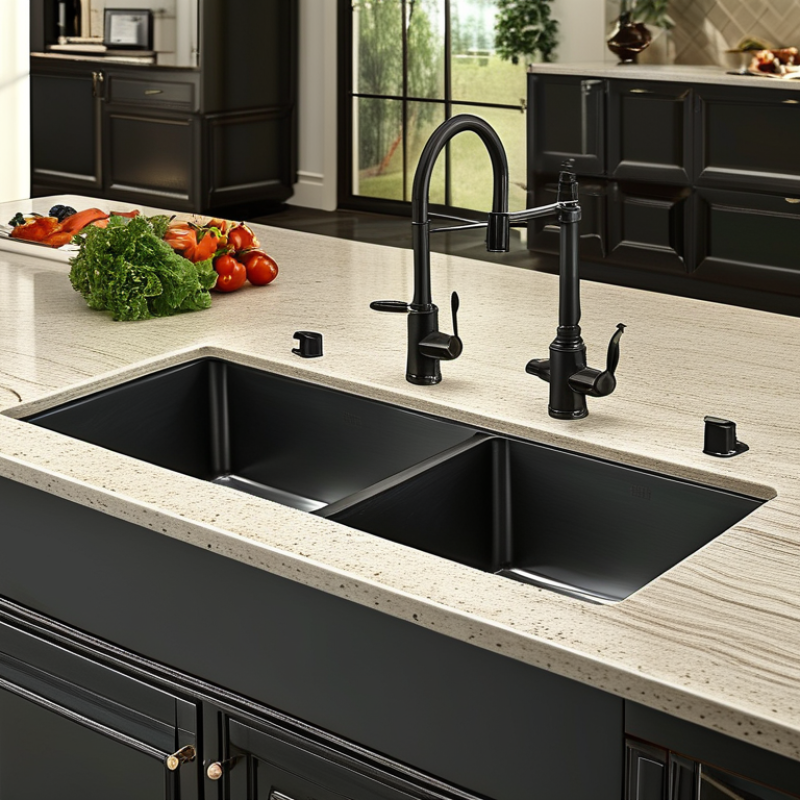
Choosing the right sink size is crucial for any kitchen renovation. A report from the National Kitchen & Bath Association reveals that 62% of homeowners prioritize sink functionality in design. Understanding standard sink dimensions is key to making the best choice.
Kitchen sinks typically come in several sizes: 24 inches, 30 inches, and 36 inches wide. Each size impacts kitchen workflow significantly. For example, larger sinks, such as those over 30 inches, allow for easier dish handling. However, they may occupy valuable counter space. A common pitfall is underestimating the space needed for installation. Without proper measurements, fitting a larger sink can lead to costly modifications.
According to a study by Houzz, 47% of homeowners regret not considering sink depth. Standard depths range from 7 to 10 inches. A deeper sink may accommodate larger pots and pans but can also backfire. Users may find it harder to reach the bottom if the sink is too deep. Thus, understanding personal cooking habits is essential. This reflective approach can prevent costly mistakes.
| Sink Type | Size Range (Width x Depth) | Recommended Base Cabinet Size | Best Use Case |
|---|---|---|---|
| Single Bowl | 24" x 18" | 30" | Small Kitchens |
| Double Bowl | 32" x 22" | 36" | Family Cooking |
| Farmhouse | 33" x 20" | 36" | Traditional Style |
| Undermount | 30" x 18" | 33" | Modern Design |
| Prep Sink | 15" x 15" | 18" | Food Preparation |
When selecting the right sink size for your kitchen in 2026, several factors come into play. The trend toward open-concept kitchens influences the dimensions of sinks. A recent study indicates that 47% of homeowners now prioritize larger sinks to accommodate more kitchen activities. This trend highlights the desire for functionality alongside aesthetics.
The layout of your kitchen is critical. For instance, L-shaped kitchens may require deeper, wider sinks to allow for optimal workflow. Various reports suggest that most homeowners prefer sinks that are at least 30 inches wide, which offers enough space for bulky pots and pans. However, it’s essential to measure your counters and cabinets. Failure to consider these dimensions may lead to a mismatch, resulting in an inefficient kitchen layout.
Your lifestyle significantly impacts the ideal sink size as well. Busy families often benefit from larger units to manage meal prep and cleanup seamlessly. However, minimalists may find smaller, more compact sinks sufficient. The choice is personal. Reflecting on your cooking habits and frequency of use will allow you to select a sink that supports your daily routine.
When selecting a sink size for your kitchen in 2026, it’s essential to consider your kitchen layout. A standard kitchen sink size typically ranges from 22 to 30 inches in length. This range suits most kitchen configurations, including U-shaped and L-shaped layouts. Many homeowners find that a 30-inch sink is ideal for spacious designs. According to industry reports, 60% of modern kitchen renovations feature sinks on the larger side.
In smaller kitchens, a 24-inch sink often strikes the right balance. Despite its size, it can still accommodate daily tasks like washing dishes and preparing food. However, fitting such a sink might require some adjustments. Choosing a smaller configuration can sometimes limit functionality. With an increasing trend for open-concept spaces, 33-inch sinks are gaining popularity. These sinks provide a centerpiece that can enhance a kitchen's visual appeal.
When considering these sizes, think about how you use your kitchen. Research shows that many families prioritize efficiency and style. Yet, larger sinks can come with daunting cleaning needs. A bigger model may offer space but often demands more maintenance. Reflecting on personal habits can help clarify which sink size suits you best. Balancing aesthetics with practicality leads to better choices in your kitchen design.
Choosing the right sink size for your kitchen in 2026 involves careful consideration of materials and styles. Sinks come in various materials like stainless steel, porcelain, and composite. Each material can influence the sink's dimensions and shape. Stainless steel offers a sleek look but can limit size options due to mounting requirements. Porcelain, though aesthetic, often requires deeper countertops, leading to fewer choices in size.
Popular styles impact functionality as well. A farmhouse sink demands more cabinet space, making size choices restrictive. Conversely, an undermount sink might allow for a larger basin. It's essential to think about usage. A busy kitchen needs a sink that can handle heavy dishes without compromising space. A large single basin may seem appealing but could overwhelm smaller kitchens. Is it worth sacrificing counter space for a larger sink?
Ultimately, the decision should align with your kitchen's design and your cooking habits. Consider both aesthetics and practicality. This balancing act is crucial in selecting a sink that not only fits but enhances your kitchen. Reflecting on personal needs and space limitations will aid in making a more informed choice.
This chart represents the average sink sizes preferred by homeowners in 2026, based on different materials and styles. The data illustrates how the trend in sink size preferences has evolved over the years, highlighting the popularity of different types of sinks.
Choosing the right sink size for your kitchen is crucial. It can impact both functionality and aesthetics. Measuring your space accurately ensures you select an ideal sink. Here are some tips to help guide your decision.
Start by assessing your cabinetry. Measure the width of the base cabinet where the sink will sit. Typically, a sink should fit comfortably within these dimensions. Consider the depth as well. A deeper sink can be more functional for washing large pots. However, it can become uncomfortable if it requires bending over too much.
Measure your counter space. Allow for sufficient clearance around the sink for prep activities. Also, think about the drain location and plumbing. If these are positioned inconveniently, it may affect your choices. Don't forget to visualize how the sink will interact with nearby appliances. This helps to create a harmonious kitchen layout. Always measure twice to avoid mistakes. Think about the style, too; the sink should complement your overall kitchen aesthetic.
: Common sizes include 24 inches, 30 inches, and 36 inches wide.
Sink depth affects usability. Deeper sinks hold larger pots but can make reaching the bottom difficult.
Different materials can limit dimensions. Stainless steel may restrict size due to mounting needs.
Many underestimate installation space, leading to costly modifications later.
Yes, styles like farmhouse require more cabinet space, limiting size options.
Think about personal cooking habits and the kitchen's design. Balance aesthetics with practicality.
Yes, large single basins may not fit well in small kitchens due to counter space impact.
Larger sinks help with dish handling but occupy valuable counter space.
It's essential to weigh the benefits against available counter space.
Reflect on your needs, measure accurately, and consider all factors before deciding.
Choosing the right sink size for your kitchen in 2026 involves several critical steps to ensure functionality and aesthetic appeal. Understanding kitchen sink sizes starts with a comprehensive overview of the standard dimensions available, while factors influencing your choice include kitchen layout, family size, and cooking habits. Popular sink sizes cater to various kitchen layouts, from compact spaces to expansive designs, ensuring that you find a fit that complements your overall style.
Additionally, materials and styles can significantly impact your sink size options, affecting both the practical use and the look of your kitchen. To ensure you select the ideal sink, it's essential to measure your space accurately—this involves considering countertop height and cabinet dimensions. By following these guidelines on how to choose the right sink size for your kitchen, you'll create a space that is both functional and visually pleasing.
Nura Kitchen