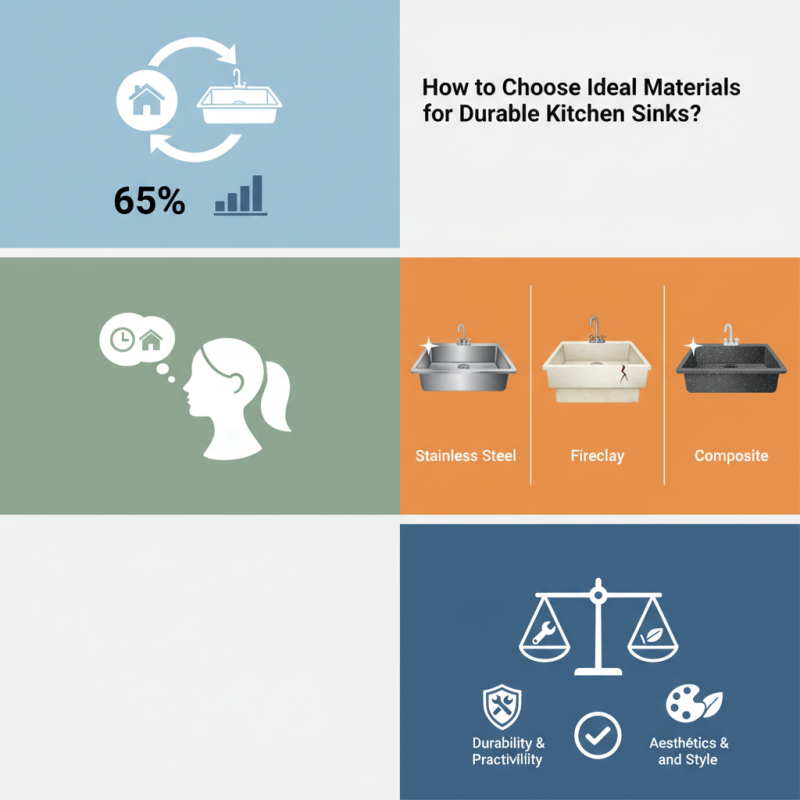
Choosing the right materials for kitchen sinks is crucial for durability and longevity. Homeowners often overlook this aspect. A well-crafted sink can withstand daily wear and tear, enhancing kitchen functionality. According to the National Kitchen and Bath Association (NKBA), 65% of homeowners prefer sinks made from durable materials for their resilience.
Experts emphasize the significance of selecting proper materials. According to renowned kitchen designer Sarah O’Neil, “The right sink can transform your kitchen and last for decades.” Her insights reflect the industry's focus on durability and aesthetic appeal. So, what materials are ideal for durable kitchen sinks?
Common options include stainless steel, fireclay, and composite materials. Each has unique benefits. Stainless steel sinks are robust and easy to clean. Fireclay offers a classic look but can be prone to chipping. Composite sinks blend durability with modern aesthetics, but they may scratch over time. Selecting the right material involves trade-offs. Evaluating these choices ensures your kitchen sink meets both practical and style needs, allowing for informed decision-making.
Choosing the right material for a kitchen sink impacts its durability. Various factors influence how long a sink will last. The most crucial aspect is the material's resistance to corrosion.
Stainless steel is popular but can scratch and dent over time. A sink made from cast iron may resist scratches better but can chip easily if heavy objects fall on it.
Another vital consideration is maintenance. Some materials require more effort to keep clean. Porcelain sinks may look beautiful but can stain and require regular upkeep. In contrast, composite sinks offer more resilience to stains and scratches. They combine different materials for enhanced durability.
The thickness of the material matters too. Thicker sinks tend to resist wear and tear more effectively. However, even a thick sink can develop scratches if not cared for properly. Think about how you use your sink daily. If you're prone to dropping items, a tougher material will likely suit your needs better. Ultimately, weigh the pros and cons of each material choice carefully.
When choosing kitchen sink materials, assessing the pros and cons of each type is essential. Stainless steel sinks are a popular choice for their durability and easy maintenance. They resist stains and scratches, making them ideal for busy kitchens. However, they can be noisy and show water spots, requiring regular cleaning.
Composite sinks offer a blend of materials. They come in various colors and styles, which can enhance kitchen aesthetics. Yet, these sinks may be prone to chipping and can stain over time if not properly cared for. Users might find their durability lacking compared to stainless steel.
Porcelain sinks exude a classic charm and can complement traditional decor beautifully. They are easy to clean and maintain their appearance well. On the downside, they are more susceptible to chipping and cracking. It’s crucial to handle them with care during installation and daily use. Each material has unique qualities that can impact your kitchen’s functionality and design.
When selecting materials for kitchen sinks, durability is paramount. The longevity of a sink largely depends on the material's thickness and coating.
Thicker materials often resist dents and chipping. A sink made from 16-gauge stainless steel, for example, is typically more robust than those made from thinner alternatives.
Coatings also play a critical role in a sink's durability. Various coatings can protect against scratches and stains. Some materials may lack a protective layer, leading to premature wear.
Choosing a sink with a high-quality coating can save you from frequent replacements. However, not all coatings are created equal. Some may chip over time, exposing the raw material underneath.
It's essential to assess your lifestyle before making a choice. Do you cook daily? Consider a more durable sink. If your design tastes change often, you might ponder if a sink with a simple coating will suffice.
Examine those tough realities. Balancing durability and aesthetic appeal can be tricky. Reflect on your priorities when finalizing the perfect kitchen sink.
When selecting kitchen sink materials, maintenance plays a crucial role. Different materials require various levels of care.
Stainless steel sinks are popular due to their durability. They resist tarnish and rust. However, they can scratch and do require regular cleaning to maintain their shine.
Porcelain sinks, while elegant, are prone to chipping. They need gentle cleaners to avoid damaging the surface.
Homeowners often overlook the need to seal these sinks regularly. This maintenance step helps to prevent stains and cracks. A study published by the National Kitchen and Bath Association found that nearly 30% of homeowners experience issues with sink surfaces due to inadequate care.
Tip: Use a soft sponge and mild detergent for porcelain sinks. Avoid abrasive cleaners to maintain their finish.
Composite sinks blend materials like granite and acrylic. While they offer a sleek look, they can require special maintenance. Some may ask how often to clean these sinks. A routine cleaning schedule, at least once a week, is often recommended. This helps prevent buildup and extends their life.
Tip: Consider using a non-abrasive cleaner designed for composite materials to maintain texture and color.
Whether it’s stainless steel, porcelain, or composite, knowing how to maintain each type is vital. Proper care can prolong the life of your kitchen sink and enhance its appearance. Don't overlook these details when choosing your sink.
When considering materials for kitchen sinks, cost and durability are crucial factors. Stainless steel is a popular choice. It resists rust, is easy to clean, and is often available at reasonable prices. However, it can scratch easily, and dents may occur over time. It’s essential to weigh these aspects against your kitchen's aesthetic.
Cast iron is another material worth considering. It offers remarkable durability and is often coated with enamel. This coating can chip, which diminishes its appearance. While it can be more costly, its longevity may justify the price. Many homeowners appreciate the classic look of cast iron sinks despite the potential maintenance needs.
Composite materials are growing in popularity. They can mimic stone but provide greater resistance to staining and scratching. Still, some composites may discolor over time, raising questions about their long-term value. Choosing the ideal material often comes down to balancing cost with the potential need for repairs and replacements. It’s wise to evaluate how much wear and tear your sink will face in daily use.
: The durability of kitchen sinks mainly depends on material thickness and coating quality.
Thicker materials, like 16-gauge stainless steel, resist dents and chipping better than thinner alternatives.
Coatings protect against scratches and stains. A high-quality coating can prevent premature wear.
No, some coatings may chip over time, exposing the raw material beneath.
If you cook daily, opt for a more durable sink. Design preferences affect coating choice.
Stainless steel is favored for its rust resistance and easy cleaning, despite scratch vulnerability.
Cast iron offers excellent durability but can chip, impacting appearance and maintenance.
They can mimic stone while resisting stains and scratches but may discolor later.
Evaluate the balance between cost and potential repairs needed over time.
Reflect on your kitchen usage and maintenance preferences to find your ideal sink.
Choosing the ideal materials for durable kitchen sinks is crucial for ensuring longevity and maintaining aesthetic appeal. Several factors influence the durability of kitchen sink materials, such as resistance to scratches, dents, and stains. A comparison of popular materials—stainless steel, composite, and porcelain—reveals their unique benefits and drawbacks. Stainless steel offers resilience and ease of maintenance, while composite materials provide a blend of durability and design versatility. Porcelain sinks, though elegant, require more careful handling to prevent chipping.
Durability ratings can greatly depend on the thickness of the material and the quality of any protective coatings applied. Regular maintenance also plays a vital role in extending the lifespan of these sinks. Homeowners should weigh the initial cost against the long-term value of various sink materials to determine what materials are ideal for durable kitchen sinks, ultimately reflecting their practical needs and aesthetic preferences.

Nura Kitchen