When considering a new kitchen sink, homeowners often grapple with the question: "what is the difference between topmount and undermount sinks?" Industry expert, John Smith, a well-known kitchen designer, emphasizes, "Choosing the right sink can redefine your space." There are two popular styles: topmount and undermount, each with unique features and functions.
Topmount sinks are installed above the countertop, making them easy to replace and install. They have a lip that sits on the counter, which can catch spills. However, they may appear less polished. Undermount sinks are fitted beneath the countertop, providing a clean and seamless look. They allow for easy cleaning of the countertop, but installation can be more complex.
Ultimately, the choice between topmount and undermount sinks hinges on personal preference and practical needs. Consider factors like budget, installation, and aesthetics. Reflect on your kitchen style and workflow. Each option has advantages and drawbacks that deserve thorough thought.
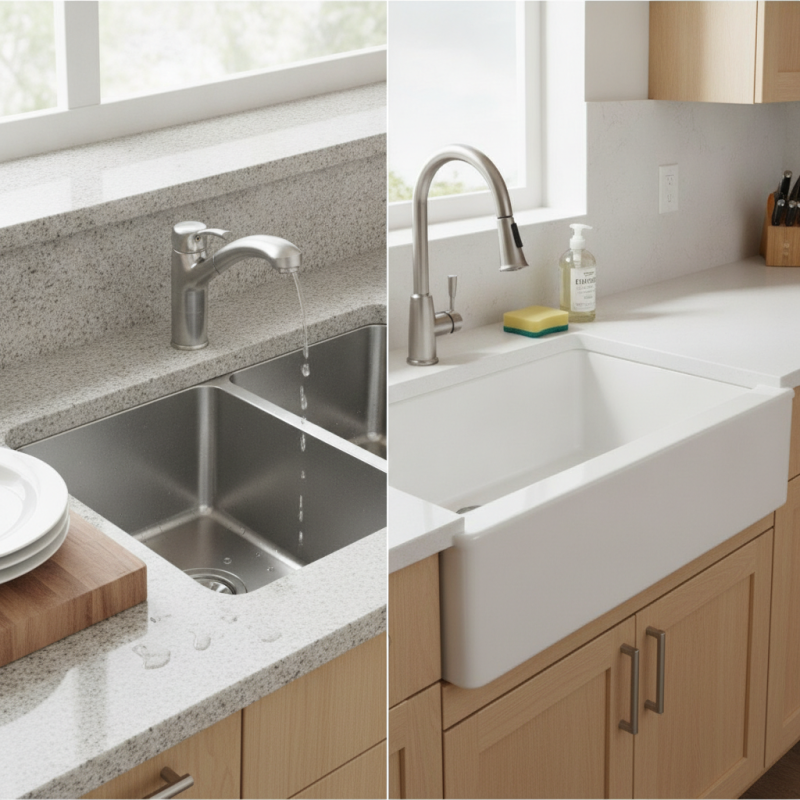
Overview of Topmount and Undermount Sinks
When choosing between topmount and undermount sinks, it's essential to understand their distinct characteristics. Topmount sinks are installed above the countertop, their edges resting on the surface. This design makes them easier to install and replace. They offer a wide range of styles and are often more budget-friendly. However, they can create additional seams where dirt and grime can accumulate. Many users find cleaning around these edges tedious.
On the other hand, undermount sinks sit below the countertop surface, providing a seamless look. This design allows for easy cleanup, as food and liquids can be swept directly into the sink. However, installation can be more complex and typically requires professional help. There’s also a concern about the durability of the mounting over time. Some users have expressed frustration with chipping or peeling near the edges.
Considering your lifestyle and kitchen needs is crucial. Think about your cleaning habits, aesthetic preferences, and budget. Both options have their pros and cons, so evaluating these will lead to a more informed decision.
Key Factors to Consider When Choosing a Sink Type
Choosing between topmount and undermount sinks involves several key factors. Your kitchen's style can significantly influence your decision. A
topmount sink often complements traditional designs. It is easy to install and provides a classic look. On the other hand,
undermount sinks create a sleek appearance. They offer a modern aesthetic and are easier to keep clean.
Durability is another essential consideration. Topmount sinks are usually made from robust materials like stainless steel. They can withstand heavy use without developing problems.
Undermount sinks also offer durability, especially with high-quality materials. However, they require careful installation to prevent leaks.
Consider how often you cook and how much wear your sink will endure.
Space and function are also crucial. A topmount sink may be more suitable for smaller kitchens where counter space is limited. An
undermount sink provides more surface area, making it easier to sweep food scraps directly into the basin.
Reflect on how you use your kitchen. Your lifestyle should guide your choice, ensuring you select a sink that meets your practical needs while also aligning with your aesthetic preferences.
Advantages of Topmount Sinks
Topmount sinks, also known as drop-in sinks, have a unique charm. They sit on top of the counter, which makes installation easier. This design is especially beneficial for DIY enthusiasts. The lip of the sink sits on the countertop, allowing for quick replacement if necessary. These sinks often come in a variety of materials and styles, making it easy to match any kitchen theme.
One major advantage of topmount sinks is their affordability. They typically cost less than undermount options. Maintenance is straightforward too. Spills and messes are easy to wipe into the sink, thanks to the proud lip. However, some users might find the edges less aesthetically pleasing compared to a sleek, under-mounted design.
Another point to consider is longevity. While topmount sinks are durable, the exposed rim could harbor dirt or grime over time. Regular cleaning is essential to maintain hygiene. Users may also feel that a topmount sink does not provide the same seamless look as an undermount version. Balancing the pros and cons can help in making an informed choice that suits individual needs.
Advantages of Undermount Sinks
Undermount sinks are increasingly popular among homeowners. They offer a sleek look that integrates seamlessly with countertops. This can create a clean appearance, eliminating the rim that topmount sinks often have. According to industry reports, undermount sinks can enhance the resale value of a home by about 5% to 10%. This makes them a wise investment for those looking to upgrade their kitchen or bathroom.
Beyond aesthetics, undermount sinks provide practical benefits. They make cleaning easier since debris and water can be wiped directly into the sink. This reduces the hassle of scrubbing around a rim. A survey conducted by kitchen design experts found that nearly 78% of homeowners prefer undermount sinks for their ease of maintenance. However, installation requires careful planning, as improper support can lead to problems down the line.
Some may find the installation process daunting. Undermounts typically require a professional to install, which can increase costs. Homeowners should weigh these factors carefully. Not everyone may need the sophisticated look or the ease of use that an undermount sink provides. Each choice comes with its own challenges and benefits, making the decision a personal one.
Installation and Maintenance Considerations for Each Sink Type
When choosing between topmount and undermount sinks, installation and maintenance are key factors. Topmount sinks, known for their ease of installation, require less precision in countertop cutting. They sit above the counter, which means they can be installed without relying heavily on caulking. This can make them a more forgiving option for DIY enthusiasts. However, they can collect debris around the edge, leading to potential build-up.
Undermount sinks offer a sleek, modern appearance. They allow for a clean, uninterrupted countertop surface. Installing them typically requires professional help, as precise cuts are essential. According to the National Kitchen and Bath Association, undermount sinks can increase home resale value by up to 15%. Yet, their installation process can be challenging and time-consuming, often resulting in higher labor costs.
Tips: Always consider the material of your countertop. Solid surfaces work well with undermount sinks, while laminate may be better suited for topmount. Regularly clean around the edges of a topmount sink to prevent grime buildup. For undermount sinks, utilize silicon sealants to reinforce the edges, ensuring a durable installation. Remember, choosing the right sink type goes beyond aesthetics; it’s about long-term functionality and maintenance.
FAQS
: Topmount sinks are traditional and easy to install. Undermount sinks offer a modern look and are easier to clean.
Topmount sinks are robust and can handle heavy use. Undermounts are durable but need careful installation to avoid leaks.
A traditional kitchen suits a topmount sink. A modern kitchen works well with an undermount sink for a sleek appearance.
Undermount sinks allow for easy wiping of debris into the sink, minimizing the hassle of cleaning around rims.
Yes, they can enhance resale value by 5% to 10%, making them a wise investment for kitchen upgrades.
Yes, proper installation requires a professional to ensure support, which can increase overall costs.
Reflect on kitchen space, usage frequency, and personal style. Each sink has its own challenges and benefits.
Installation can be complex and daunting. Not everyone may need the look or functionality they provide.
Consider how you cook and clean. A sink that matches your lifestyle will enhance your overall kitchen experience.
They may require more scrubbing around the rim compared to undermounts, which facilitate easier cleaning.
Conclusion
When choosing between topmount and undermount sinks, it is essential to understand what is the difference between topmount and undermount sinks. Topmount sinks sit on top of the countertop, making installation straightforward and typically more affordable. They are easier to replace but may require more cleaning around the edges due to their lip. On the other hand, undermount sinks are installed beneath the countertop, offering a seamless look and easier cleanup. However, they can be more expensive and complex to install.
Key factors to consider include aesthetics, ease of installation, maintenance, and your budget. Each sink type has its own advantages: topmount sinks are versatile and user-friendly, while undermount sinks provide a sleek design that can enhance the overall kitchen aesthetic. Ultimately, the choice will depend on your specific needs, preferences, and the design of your kitchen space.

 Nura Kitchen