Choosing the right kitchen sink is crucial for small kitchens. In these compact spaces, every detail matters. According to a report by the National Kitchen and Bath Association, an efficient kitchen design should not overlook functional elements like the sink. Expert Jane Doe, a leading kitchen design consultant, emphasizes, "The sink is often the centerpiece of the kitchen; it must blend style with function."
When considering how to choose the best kitchen sink for small kitchens, think about size, material, and style. A sink that takes up too much space can hinder movement. Materials like stainless steel are durable yet lightweight, fitting well within a compact design. Additionally, undermount sinks can maximize counter space, creating a seamless look.
However, there are challenges. Not every sink fits all styles or personal preferences. It's essential to reflect on how you use your kitchen. A large, deep bowl may seem appealing but can overwhelm smaller areas. Balancing aesthetics with practicality is key. Proper research is necessary to ensure you make the best choice.
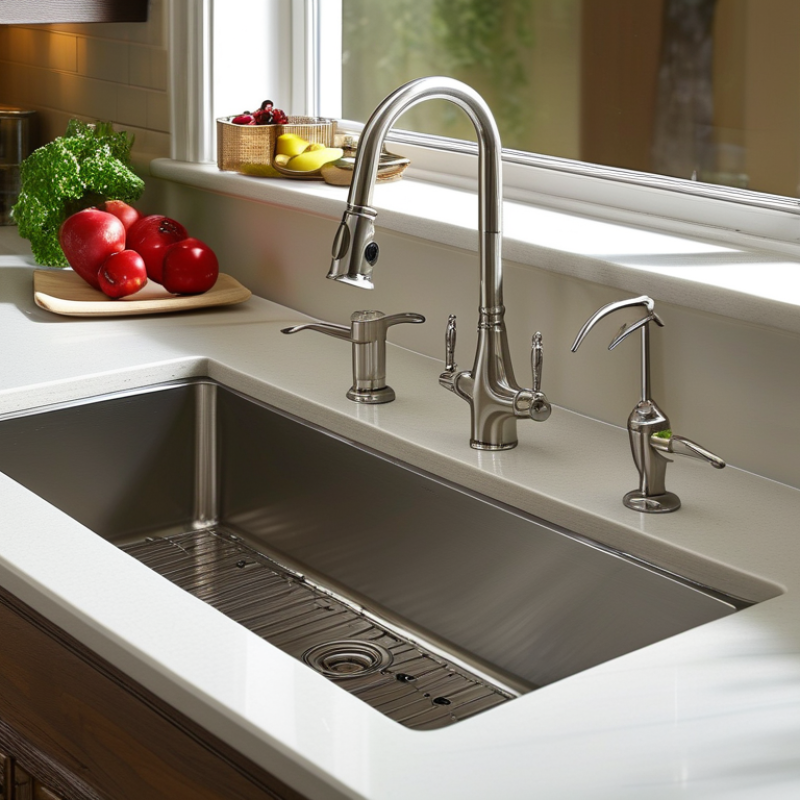
When considering small kitchen design, space limitations are a primary challenge. A recent study from the National Kitchen and Bath Association (NKBA) highlights that 70% of homeowners prioritize functionality over aesthetics in small kitchens. This shift in focus urges designers to rethink elements like sinks, which often consume significant countertop space.
Small kitchens typically require compact sink options. Farmhouse or large single-basin models can dominate the layout, making them impractical. Experts suggest opting for undermount or drop-in sinks that maximize workspace and ease of cleaning. According to the American Institute of Architects (AIA), effective space utilization in these kitchens can improve workflow by 30%.
Moreover, choosing a sink with built-in accessories can enhance functionality. For example, sinks that include cutting boards, colanders, or drying racks offer flexibility without occupying extra space. However, one must balance design preferences and practicality. Not all features suit every kitchen style or user need. Recognizing this could simplify the selection process, preventing difficulties later on.
When choosing a sink for a small kitchen, the type matters greatly. A single basin sink can maximize space. It offers ample room for washing larger pots and pans. Additionally, a deep sink can accommodate food prep needs without splashing.
Consider dual sink options if you have the counter space. A small, divided sink allows multitasking. You can wash dishes on one side while prepping food on the other. This design enhances efficiency, especially in tight quarters.
Tips: Focus on the material used in your sink. Stainless steel is durable and can complement various kitchen styles. Remember to measure your space carefully. A sink that is too large can overwhelm a compact kitchen. Choose a faucet that can reach all areas of the sink easily, making your tasks simpler.
| Sink Type | Dimensions (inches) | Material | Ideal For |
|---|---|---|---|
| Top Mount Sink | 22 x 18 | Stainless Steel | Budget-friendly options |
| Undermount Sink | 24 x 20 | Composite Granite | Modern kitchens with solid surface counters |
| Farmhouse Sink | 30 x 18 | Fireclay | Rustic and traditional decor |
| Corner Sink | 30 x 30 | Stainless Steel | Maximizing small kitchen corners |
| Single Bowl Sink | 22 x 16 | Stainless Steel | Efficient for washing large pots |
When selecting a small kitchen sink, consider its size and shape carefully. A deep sink can save space while enhancing functionality. It allows for efficient dishwashing and food prep. A single bowl design often works well in compact areas. This setup can provide ample room for larger pots and pans without overwhelming the countertop.
Next, think about material options. Stainless steel is popular for its durability and ease of cleaning. However, it may scratch over time. Porcelain sinks add a classic touch but can chip or stain. Composite sinks offer a modern look and are resistant to many kitchen mishaps. Weigh these features against your cooking habits and maintenance preferences.
Pay attention to the faucet choice as well. A high-arc faucet can provide more clearance for filling pots. It enhances the overall efficiency of a small kitchen. Don’t overlook accessories like cutting boards or colanders—all can maximize functionality. Reflections on personal needs will highlight what matters most in your small kitchen sink selection.
When choosing a kitchen sink for small spaces, consider materials that not only maximize function but also enhance visual appeal. Stainless steel is a popular option due to its durability and sleek look. It blends seamlessly with various kitchen styles. However, it can show water spots easily, requiring regular cleaning.
Porcelain sinks offer a classic charm. They come in different colors, which can brighten your space. Yet, they may chip or stain, demanding careful handling. Opt for a design that complements your cabinetry. A farmhouse sink can add character but might require specific counter adjustments.
**Tips:** Use a round or oval sink to create a softer look. This can make the kitchen feel more spacious. Additionally, choose a sink with a deep basin. It not only provides more functionality but also creates an illusion of depth. Remember, choosing the right style can make a significant difference in a small kitchen. Careful consideration of materials is essential for achieving both beauty and practicality.
When designing a small kitchen, the sink is often overlooked. However, the right selection can maximize space and functionality. According to recent industry data, almost 80% of small kitchens benefit from a well-planned sink area. Selecting the appropriate size and style can significantly enhance your workflow.
Tip: Consider a corner sink. These can free up counter space, allowing for additional preparation areas. A single bowl sink is also ideal for small kitchens, as it minimizes bulk. This layout facilitates easier access and keeps everything within reach. For installation, ensure that plumbing is accessible yet concealed to maintain a tidy look.
Another key point is to focus on the sink material. Stainless steel is durable and easy to clean, crucial for small kitchens. A surface that resists scratches and stains is a must, as small kitchen areas require constant upkeep. An undermount sink provides a seamless look, which visually expands the space. Remember, functional is just as important as aesthetic.
Tip: Install a pull-down faucet. This versatile feature can help make rinsing and cooking tasks easier. Many homeowners overlook how the faucet plays a critical role in kitchen efficiency. Evaluate the space around the sink to ensure all items are easily accessible.
This bar chart illustrates the popularity of different types of kitchen sinks suitable for small kitchens based on a survey of homeowners. The data highlights preferences for sink style, materials, and functionality.
: Focus on functionality over aesthetics. Efficient space utilization helps improve workflow significantly.
Compact undermount or drop-in sinks are ideal. They maximize workspace and are easier to clean.
Choose sinks with built-in accessories like cutting boards. They save space and increase versatility.
Stainless steel is durable and stylish, while porcelain adds charm but requires careful handling.
A round or oval sink can create a softer appearance, making the space feel larger and more inviting.
Consider corner sinks to free up counter space. They allow more room for food preparation.
It minimizes bulk and keeps essential items within easy reach, enhancing overall efficiency.
Choose an undermount sink for a seamless look. It visually expands the space and is easy to clean.
A pull-down faucet can simplify rinsing and cooking tasks, contributing to overall kitchen efficiency.
Balance design preferences with practicality. Not every feature suits every kitchen style or user need.
Choosing the best kitchen sink for small kitchens involves understanding the unique space limitations typical of compact areas. When selecting a sink, it's essential to consider various types that are specifically designed for smaller spaces, such as corner sinks or undermount models that maximize countertop space. Key features to prioritize include size, depth, and configuration, ensuring the sink meets both functional and aesthetic needs.
Additionally, material and style play a significant role in enhancing the overall look of a small kitchen. Stainless steel, composite materials, and ceramic are popular choices that blend durability with design. Finally, proper installation techniques can further optimize functionality, such as ensuring adequate plumbing access and balance between sink features and kitchen layout. By paying attention to these factors, you can effectively learn how to choose the best kitchen sink for small kitchens that complements your space while maintaining efficiency.

Nura Kitchen