A clean kitchen sink is essential for maintaining a healthy food preparation space. Knowing how to clean and disinfect kitchen sinks effectively is crucial for preventing bacteria buildup. Many overlook this task amidst the hustle and bustle of daily cooking. However, neglecting sink hygiene can lead to serious health risks.
First, let’s address the common materials often used in sinks. Stainless steel, porcelain, and composite materials all have specific cleaning needs. Using the right products for each type ensures better results. Many people make the mistake of using harsh chemicals that can damage the sink surface. This can create long-term problems instead of solving short-term issues.
Additionally, most people skip the proper disinfecting routine. Simply rinsing out the sink may not be enough. Disinfecting involves using the right solutions and methods to eliminate harmful germs. Discovering how to clean and disinfect kitchen sinks effectively means understanding the importance of both cleaning and sanitizing. A fresh, sanitized sink not only looks better but also contributes to overall kitchen safety. Regular reflection on cleaning habits can lead to better practices in maintaining a pristine kitchen environment.
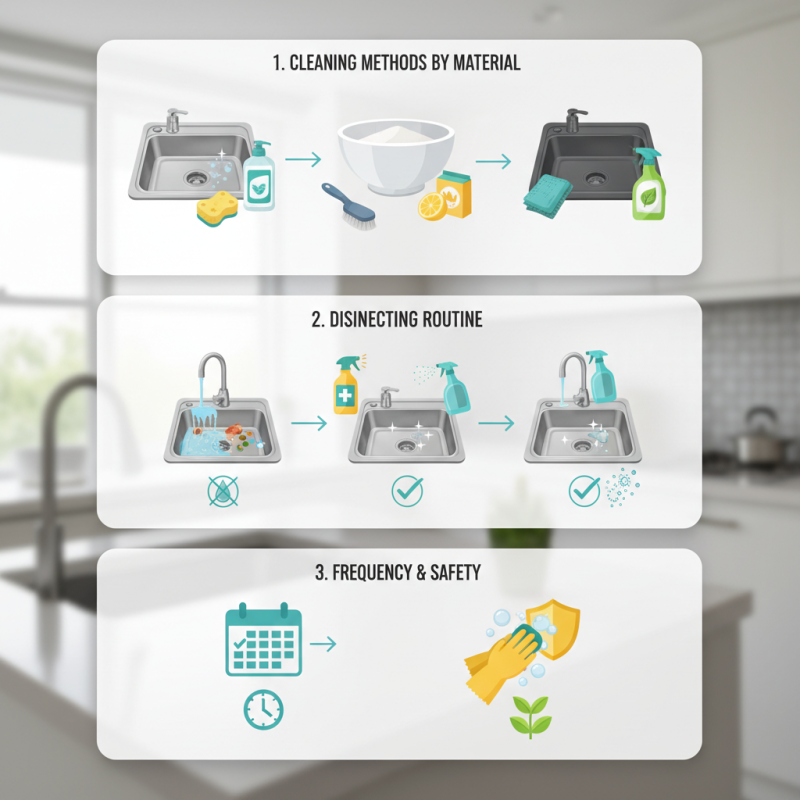
A clean kitchen sink is vital for health. Food residue and bacteria can thrive in this area. Many overlook the importance of deep cleaning. Regular cleaning prevents the buildup of grime and harmful germs. A dirty sink can lead to sickness, especially in a home where food is prepared. Therefore, understanding how to effectively clean and disinfect is crucial.
Disinfecting isn't just a routine task; it’s a necessity. Use vinegar or baking soda for an effective, natural solution. Scrubbing with these agents can cut through grease and eliminate germs. However, some spots might be hard to reach, hiding bacteria. Don't forget to clean the faucet and handles, as these areas often go unnoticed.
We all have those moments when cleaning is postponed. Life gets busy, and some chores slip through the cracks. These delays can lead to more significant issues down the line. Reflecting on our habits helps us improve. A clean sink should be a priority, not an afterthought. Making time for this essential task pays off in the long run.
When it comes to cleaning and disinfecting kitchen sinks, having the right supplies is crucial. Research indicates that kitchen sinks can harbor bacteria like E. coli and Salmonella, which thrive in damp environments. The Centers for Disease Control and Prevention (CDC) warns that improper cleaning can lead to cross-contamination in food preparation areas. An effective disinfection routine can significantly reduce these risks.
For optimal sink disinfection, you should gather essential cleaning supplies. A multi-surface cleaner is a good starting point. Microfiber cloths trap dirt and germs effectively. Additionally, bleach or a hydrogen peroxide solution can be powerful agents against bacteria. Always remember to wear gloves when using harsh chemicals. A study published by the Journal of Environmental Health suggests using these disinfectants can reduce bacterial presence by up to 99%.
Tips: Clean the sink daily, focusing on crevices where grime builds up. Allow disinfectants to sit for at least five minutes for maximum effectiveness. Don’t forget to routinely check the faucet handles and surrounding areas—they can be just as dirty. Make sure to reassess your cleaning supplies regularly. Some products may expire or lose efficacy over time.
| Method | Supplies Required | Effectiveness | Duration |
|---|---|---|---|
| Vinegar and Baking Soda | White vinegar, baking soda, sponge | High | 15 minutes |
| Bleach Solution | Bleach, water, gloves | Very High | 10 minutes |
| Dish Soap and Hot Water | Dish soap, hot water, cloth | Medium | 5 minutes |
| Hydrogen Peroxide | Hydrogen peroxide, spray bottle | High | 10 minutes |
| Commercial Cleaner | Commercial sink cleaner, sponge | Very High | 5-15 minutes |
Cleaning your kitchen sink is essential for maintaining a hygienic space. Start by clearing out any dishes or food residues. Use a sponge or soft cloth to wipe down the sink surface. This basic step helps remove visible grime and prepares the area for deeper cleaning.
Next, mix a solution of warm water and dish soap. Scrub the sink with the soapy water, paying attention to any spots that seem stubborn. Rinse the sink thoroughly with warm water. This part is crucial; leftover soap can create a film. After rinsing, to disinfect, a mix of vinegar and baking soda works wonders. Sprinkle baking soda evenly, then spray vinegar over it. Watch the fizz—let it sit for a couple of minutes before rinsing again.
Many overlook faucet handles, but germs can accumulate there too. Don’t forget to wipe them down with your cleaning solution. Regular cleaning can prevent tough stains and odors, but even with care, some stubborn stains might linger. It’s a process, and sometimes you may need to repeat steps or try new methods. That’s okay—cleaning is often about trial and error.
Keeping the kitchen sink clean is crucial for health. A study from the National Sanitation Foundation (NSF) found that kitchen sinks can harbor more bacteria than toilets. Using natural disinfectants is an effective way to maintain a sanitary environment in your kitchen.
Lemon juice is a popular choice. Its acidity helps kill bacteria. Mixing lemon juice with baking soda creates a powerful paste for scrubbing. This combination not only disinfects but also eliminates odors.
Vinegar is another effective option. Its acetic acid can disrupt bacterial cell membranes. For a more potent mix, combine vinegar with hydrogen peroxide. This duo can give a deeper clean.
It's important to regularly clean these areas to prevent bacterial buildup. A study revealed that regularly disinfecting kitchen surfaces could reduce the risk of foodborne illnesses by over 30%. Natural disinfectants are safe and effective. However, their effectiveness can be influenced by time and method of application. Always allow solutions to sit for a few minutes before rinsing. Regular maintenance and thoughtful practices are central to a healthier kitchen.
When cleaning kitchen sinks, many overlook common mistakes that can undermine their efforts. One significant mistake is using the wrong type of cleaner. Research shows that using abrasive cleaners can scratch sink surfaces, making them more susceptible to bacteria. Another frequent error is not rinsing thoroughly. Studies indicate that residue from cleaners can lead to harmful buildup. Neglecting this step can compromise hygiene.
Another misstep is the timing of the cleaning. Cleaners need time to sit for effective disinfection. The CDC recommends allowing disinfectants to remain on surfaces for at least five minutes to kill germs. Many do not wait long enough, reducing effectiveness. Additionally, using sponges or cleaning cloths that are not sanitized can introduce new bacteria. Data from the NSF indicates that kitchen sponges harbor more germs than toilet seats, emphasizing the need for regular replacement.
Many individuals underestimate the importance of daily maintenance. A quick rinse and wipe can prevent grime buildup. Yet, it’s essential to do this correctly. Frequent scrubbing without proper technique can cause wear and tear. Reflecting on these common pitfalls can enhance cleaning practices, ensuring kitchen sinks remain truly clean and safe.
This chart illustrates the effectiveness of various kitchen sink cleaning methods based on user feedback. The data showcases the percentage of users who found each method effective in removing stains and disinfecting the sink.
: Essential supplies include multi-surface cleaner, microfiber cloths, bleach, and hydrogen peroxide.
Kitchen sinks can harbor harmful bacteria, increasing the risk of food contamination.
It’s best to clean your sink daily to reduce grime and bacteria buildup.
Use a vinegar and baking soda mix for a strong disinfecting effect.
Always allow disinfectants to sit for at least five minutes before rinsing.
Yes, faucet handles can be dirty and should be cleaned regularly.
Don't worry; sometimes, you need to repeat cleaning steps or try new methods.
Regularly reassessing supplies is key; some may expire or lose their effectiveness.
Poor cleaning can lead to cross-contamination during food preparation, increasing health risks.
Reflect on your method; cleaning often requires trial and error to find what works best.
Cleaning and disinfecting kitchen sinks effectively is crucial for maintaining a healthy cooking environment. Understanding the importance of this task sets the foundation for a thorough cleaning routine. Essential cleaning supplies, such as sponges, brushes, and appropriate disinfectants, play a vital role in ensuring the sink is free from germs and bacteria. By following a step-by-step cleaning process, homeowners can achieve optimal results, while incorporating natural disinfectants can provide a safe and eco-friendly alternative.
Additionally, it is important to recognize common mistakes to avoid while cleaning kitchen sinks, as these can hinder the effectiveness of disinfection efforts. By adhering to best practices and utilizing the right methods, anyone can learn how to clean and disinfect kitchen sinks effectively, promoting a cleaner and safer kitchen space for preparing meals.

Nura Kitchen