2026 Best Tips to Prevent Stains and Scratches on Kitchen Sinks?

Time:2026-05-25 Author:Mason
0%

Keeping kitchen sinks looking pristine is a challenge for many homeowners. Stains and scratches can ruin the aesthetic appeal of even the most beautiful kitchen. Therefore, knowing how to prevent stains and scratches on kitchen sinks is essential for maintaining their durability and appearance.

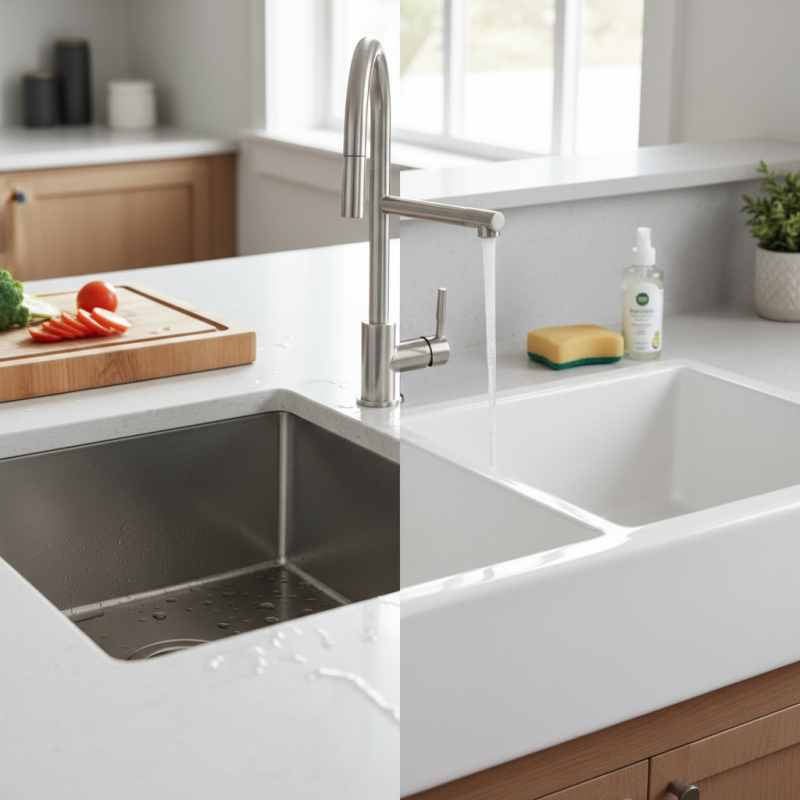
Different sink materials, like stainless steel and porcelain, require varied care techniques. Some kitchen habits can lead to unsightly scratches over time. For instance, using abrasive cleaners can wear down the sink's finish. Moreover, food particles left unattended can cause stubborn stains that are hard to remove.

To effectively protect your sink, regular maintenance is key. Simple practices, such as using cutting boards and avoiding harsh chemicals, can make a significant difference. However, even the best efforts may not guarantee a flawless surface. Implementing the right techniques can help minimize damage and extend the life of your sink. By being mindful of these tips, you can keep your kitchen sink looking new for years to come.
2026 Best Tips to Prevent Stains and Scratches on Kitchen Sinks?

Tips for Choosing the Right Sink Material to Prevent Stains and Scratches

Choosing the right sink material is crucial for preventing stains and scratches in your kitchen. Stainless steel is popular due to its durability and resistance to scratches. It's easy to clean and maintain, which helps in keeping it stain-free. However, it can show water spots if not dried promptly.

Composite materials, like quartz, provide a solid alternative. They resist scratching better than metal sinks, but can still stain if spills aren't cleaned quickly. Their design often blends well with modern kitchens. Yet, identifying the right color and finish is important because lighter shades may show stains more easily.

Consider also ceramic or porcelain sinks. They offer a classic look and are usually stain-resistant. However, these materials can chip or crack if heavy objects are dropped. Each material has its strengths and weaknesses. Reflect on your kitchen habits. Your choice should balance aesthetics with the practicality of daily use.

Understanding Common Stains: Prevention Techniques for Different Sink Materials

When it comes to kitchen sinks, different materials require distinct care tactics. Stainless steel, for instance, can highlight streaks and water spots. To prevent staining, always dry the sink after use. A simple microfiber cloth can work wonders. It helps reduce water marks and keeps your sink shiny.

For porcelain sinks, be mindful of sharp objects. They can easily scratch the surface. Use cutting boards for food preparation. A dedicated sponge for cleaning, rather than abrasive pads, can preserve the finish. Even minor scratches can trap dirt over time, so gentle care is essential.

Granite sinks offer durability but are not immune to stains. Acidic substances can corrode the surface. Wipe spills quickly to prevent damage. Regular sealing will add an extra layer of protection. Remember that even high-quality sinks need attention. Small adjustments can make a big difference in maintaining their appearance. Be mindful and proactive in your cleaning routine.

Daily Maintenance: Cleaning Routines that Protect Against Stains and Scratches

Maintaining a kitchen sink requires consistent care. Begin with a daily cleaning routine. A simple rinse after each use helps prevent stains from forming. Wipe the sink with a soft cloth to remove food particles. This step may seem trivial, but it’s crucial. It keeps your sink looking fresh and reduces the chance of scratches.

Every week, use a gentle cleaner to deep clean the sink. Avoid harsh abrasives that can damage the surface. Consider baking soda mixed with water for a gentle scrub. It’s effective and safe. Pay attention to the faucet area, too, as mineral deposits can build up. Regularly removing these deposits enhances the sink's appearance.

Sometimes, neglecting routine maintenance leads to problems. A busy kitchen often means shortcuts. These shortcuts may result in stains or scratches, which take time to fix. A small missed step can lead to a larger issue later. Reflecting on these habits can help improve your cleaning routine. Regular maintenance makes a significant difference in how your sink looks and lasts.

Utilizing Protective Accessories: Exploring Sink Mats and Pads Benefits

Kitchen sinks often endure daily wear and tear. They face scratches and stains from various utensils. Protective accessories, like sink mats and pads, offer a solution. According to the National Association of Home Builders (NAHB), protective mats can reduce surface abrasions by up to 70%. This statistic highlights their importance in preserving the appearance of your sink.

Using a sink mat can absorb impact from dropped dishes. It prevents scratches that may occur during routine washing. Additionally, many mats are designed with durable materials that resist water damage, ensuring longevity. A recent report by the American Kitchen Manufacturers Association (AKMA) suggested that adopting protective measures extends sink life by an average of 15%. This indicates that investing in these accessories has real benefits.

However, not all mats may fit perfectly. Some may shift or bunch up, leading to potential hazards. Regularly cleaning the mats is essential to avoid bacteria build-up, as noted by the Centers for Disease Control and Prevention (CDC). These aspects remind us that even protective measures aren’t foolproof. Close attention to their usage and maintenance can significantly enhance kitchen hygiene and aesthetics.

2026 Best Tips to Prevent Stains and Scratches on Kitchen Sinks

Avoiding Harsh Chemicals: Safe Cleaning Solutions to Maintain Sink Integrity

When it comes to maintaining the integrity of kitchen sinks, avoiding harsh chemicals is crucial. Many conventional cleaners contain abrasive agents that can dull the surface of your sink over time. According to a study by the Environmental Protection Agency, nearly 50% of household cleaners have ingredients that can cause corrosion. Choosing safe cleaning alternatives is not only better for your sink but also for your health.

To keep your sink shining, consider using a simple mixture of vinegar and baking soda. This combination can effectively break down stains without scratching the surface. Apply the mixture to areas with stubborn grime, let it sit for 15 minutes, then scrub gently. Rinse thoroughly afterward. This method is not only effective but also cost-efficient.

Regular maintenance is key. Always wipe down your sink after use. A quick rinse can prevent buildup. Additionally, be cautious with items you place in the sink. Heavy pots and pans can scratch, so it’s wise to use mats or place a soft cloth underneath as a buffer. Small changes in your cleaning routine can make a big difference.

2026 Best Tips to Prevent Stains and Scratches on Kitchen Sinks

Tip Number Cleaning Method Recommended Frequency Usage Notes
1 Baking Soda Paste Once a week Gentle scrubbing with a cloth
2 Vinegar and Water Solution Bi-weekly Use a spray bottle for application
3 Olive Oil for Shine Monthly Apply with a soft cloth
4 Dish Soap and Warm Water After every use Quick wipe-down to prevent buildup
5 Lemon Juice for Disinfecting Weekly Great for neutralizing odors

FAQS

: What sink material is best for preventing stains?

: Stainless steel is highly durable and resistant to scratches, making it a popular choice for stain prevention.

Can composite sinks scratch easily?

Composite materials, like quartz, resist scratches better than metal but can still stain if spills aren't cleaned quickly.

Are ceramic sinks prone to damage?

Yes, ceramic and porcelain can chip or crack from heavy impacts, despite being generally stain-resistant.

How can I effectively clean my sink?

A mix of vinegar and baking soda is effective. It breaks down stains without scratching the surface.

What should I avoid when cleaning my sink?

Avoid harsh chemicals and abrasive cleaners, as they may dull or corrode the sink’s surface over time.

How often should I maintain my sink?

Regular maintenance is key. Wipe down your sink after each use to prevent grime buildup.

Can heavy pots damage my sink?

Yes, heavy pots can scratch sinks. It’s wise to use mats or soft cloths underneath as a buffer.

What cleaning habits can help my sink's longevity?

Small changes, like quick rinses or gentle scrubbing, can significantly extend your sink's lifespan.

Does the color of a sink matter?

Yes, lighter shades may show stains more easily. Choose colors that align with your cleaning habits.

What’s a common mistake when choosing sink materials?

Ignoring your everyday kitchen habits can lead to choosing a sink that doesn’t suit your needs. Reflect carefully.

Conclusion

To effectively learn how to prevent stains and scratches on kitchen sinks, it's essential to start with choosing the right sink material. Different materials have varying resistance to stains and scratches, which can significantly influence the longevity and appearance of your sink. Understanding common stains and employing prevention techniques tailored to each material will also play a crucial role.

Daily maintenance through proper cleaning routines can help protect against unsightly marks. Utilizing protective accessories like sink mats and pads adds an extra layer of defense. Finally, opting for safe cleaning solutions and avoiding harsh chemicals is vital to maintaining the integrity of your sink, ensuring it remains in top condition for years to come. By following these tips, homeowners can maintain the beauty and functionality of their kitchen sinks.

Mason

Mason

Mason is a seasoned marketing professional with a deep expertise in the company's offerings and a passion for driving brand awareness. With a strong background in digital marketing strategies, he has an innate ability to connect with diverse audiences and effectively communicate product benefits.......