China Best Sink Maintenance Tips to Extend Sink Life?

Time:2026-11-07 Author:Henry
0%

A sink faces more than water each day. It handles soap, food scraps, hard-water deposits, hot pans, and the occasional dropped utensil. Over time, these small stresses can dull a finish, clog a drain, or loosen a seal. The right care depends on the material: stainless steel, ceramic, granite composite, and other surfaces do not respond equally to cleaners. So, what maintenance tips extend sink life? The answer is usually a set of simple, consistent habits—not harsh chemicals or complicated tools.

In this guide, we’ll look at practical ways to keep a sink clean and functional in a busy home. Wiping the basin dry after use can help limit water spots, while a soft cloth is less likely to scratch delicate finishes. A drain strainer can catch food before it builds up in the pipe. Small habits matter. We’ll also cover what to avoid, such as leaving acidic liquids sitting on some surfaces or using abrasive pads without checking the manufacturer’s guidance. A cleaner that works well on stainless steel may not suit every sink. That distinction is easy to overlook.

Maintenance cannot prevent every chip, stain, or plumbing issue. And advice online can be too broad. Check your sink’s care instructions, especially when its material or coating is unfamiliar. With regular attention and suitable products, you can reduce everyday wear and help your sink stay reliable for longer.
China Best Sink Maintenance Tips to Extend Sink Life?

Identify Your Sink Material and Its Maintenance Needs

A sink’s appearance can be misleading, so identify its material before choosing a cleaner. Check installation paperwork, a product label, or an inconspicuous underside area. Stainless steel often shows a brushed grain; porcelain enamel has a smooth, glasslike surface. Composite sinks may feel slightly textured. If you are unsure, ask the installer rather than testing a strong cleaner. A small guess can leave a lasting mark.

Stainless steel usually responds well to mild dish soap and a soft cloth. Wipe with the grain, then dry the basin to limit water spots. Avoid steel wool and prolonged contact with bleach. Porcelain enamel needs gentle, non-abrasive cleaning; a dropped pan can chip its coating. Composite materials vary, so follow the care instructions and avoid harsh acids unless the maker says they are safe. Copper may develop a changing patina, which is not always damage.

Use a sink mat carefully, and lift it now and then so water does not sit underneath. Rinse away coffee, food, and soap residue before they dry. Small habits matter. It is tempting to scrub every mark immediately, but aggressive cleaning can cause more trouble than the stain. Test an unfamiliar cleaner in a hidden spot, and stop if the finish looks dull or feels rough.

Clean the Sink Regularly With Suitable Products

A clean sink starts with the right product, not the strongest one. NSF International’s 2013 household germ study detected coliform bacteria in 45% of the kitchen sinks tested across 22 homes. That small sample is a warning, not a universal rate. Still, crumbs and moisture around the drain deserve attention.

After food preparation, rinse away debris and wash the basin with warm water, mild dish soap, and a soft cloth. Match cleaners to the sink material: abrasive powders can scratch some finishes, while acidic products may damage certain stone surfaces. Check the sink maker’s care instructions before using bleach or specialty cleaners. Rinse thoroughly, then dry the basin and faucet base to limit water spots. The drain seam is easy to miss, even with a careful routine.

Tips: Clean the drain, strainer, and faucet handles as well as the bowl. Use a separate soft brush for tight corners, and avoid steel wool on polished surfaces. For stubborn marks, test a suitable cleaner on a hidden spot first. A quick daily wipe helps, but it is not a substitute for a proper weekly clean.

China Best Sink Maintenance Tips to Extend Sink Life? - Clean the Sink Regularly With Suitable Products

Sink Material Routine Cleaning Suitable Products Avoid Helpful Maintenance Tip
Stainless steel Rinse after use, then wipe dry with a soft cloth. For routine cleaning, wipe in the direction of the grain. Warm water and mild dish soap; a non-abrasive sponge for everyday marks. Steel wool, chlorine bleach left on the surface, and abrasive scouring powders, which can scratch or discolor the finish. Drying the basin helps reduce water spots and mineral deposits. Use a sink grid or mat to limit scratches from cookware.
Fireclay or glazed ceramic Wash with a soft cloth or non-abrasive sponge, rinse thoroughly, and dry to help prevent residue buildup. Warm water and mild dish soap; use a cleaner labeled as safe for the sink’s glaze when needed. Metal scouring pads, harsh abrasive powders, and dropping heavy objects that may chip the glaze. Clean spills promptly and use a protective rack if the sink is frequently used for washing heavy dishes.
Porcelain enamel on metal Clean gently with a soft sponge and rinse well after each cleaning. Mild dish soap or a non-abrasive cleaner suitable for enamel. Hard scrubbing, abrasive pads, and impacts that can chip the enamel and expose the underlying metal. Address chips promptly with an appropriate repair product to help limit further damage and corrosion.
Granite composite Rinse away food and soap residue, clean with a soft sponge, and dry the surface. Warm water and mild dish soap; follow the sink maker’s care instructions for stubborn marks. Strong acids, harsh chemical cleaners, and abrasive pads unless the care instructions specifically allow them. Remove strongly colored food or liquid promptly, as prolonged contact may leave marks on some finishes.
Copper Wash gently with warm water and mild soap, then dry with a soft cloth. Mild dish soap and water; use only a cleaner specifically suitable for the sink’s finish. Acidic cleaners, bleach, abrasive pads, and polishing products that may remove or alter the natural patina. Natural color changes are normal for many copper finishes. Follow the care instructions before applying any protective treatment.
All sink materials Clean regularly, rinse away cleaning residue, and keep the drain area clear of food debris. A soft cloth or sponge and a mild, material-compatible cleaner. Mixing cleaning chemicals, leaving strong cleaners on the surface, and using a product without checking its label. Use a drain strainer, avoid prolonged standing water where possible, and follow the sink’s care instructions.

Prevent Scratches, Stains, and Heat Damage

Prevent scratches by treating the sink as a work surface, not a cutting board. Set down a silicone mat when washing heavy pans, and lift cookware instead of dragging it across the basin. For stainless steel, wipe in the direction of the grain with a soft cloth; abrasive pads can leave fine marks that collect grime. Nickel Institute technical guidance gives common 304 stainless steel as roughly 18% chromium and 8% nickel. Chromium helps form its corrosion-resistant surface film, but it does not make the finish scratch-proof. Small scratches happen. Avoid bleach-heavy cleaners and rinse away salt or acidic food promptly.

Stains often come from mineral deposits, not permanent damage. The USGS classifies water above 180 milligrams per liter, measured as calcium carbonate, as very hard. If white rings keep returning, dry the bowl after use and clean deposits with a mild, material-appropriate cleaner. Heat needs care, too. Let hot pans cool on a trivet before placing them in the sink, especially with enamel or composite surfaces, where sudden temperature changes may cause damage. Stainless steel can also discolor from intense heat. I sometimes skip the quick wipe when the kitchen is busy; that habit makes water spots harder to remove later. A soft cloth and a minute of attention are usually enough.

Maintain the Drain, Faucet, and Sink Seals

China Best Sink Maintenance Tips to Extend Sink Life?

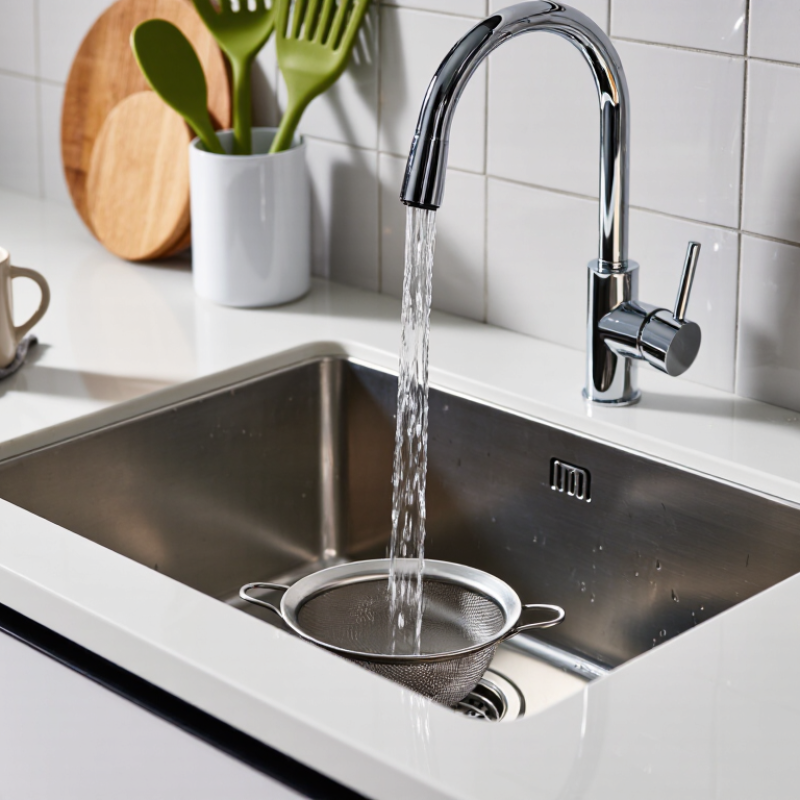
A sink lasts longer when its drain stays clear and its faucet remains free of mineral buildup. Remove food scraps from the strainer daily, then rinse it with warm water. Once a week, wash the drain opening with mild dish soap and a soft brush. Avoid routine use of harsh chemical cleaners; they may damage finishes or nearby pipe materials. If water drains slowly, check the stopper and trap for visible debris before trying stronger measures. Small habits matter.

Wipe the faucet dry after use, especially around the base and handles, where droplets can leave mineral spots. For stubborn deposits, hold a cloth dampened with diluted white vinegar against the area briefly, then rinse and dry. Skip vinegar on surfaces that may react to acids, and follow the sink or faucet care instructions. Check beneath the sink occasionally for damp cabinet walls, loose connections, or a musty smell. Check beneath, too. A small leak can go unnoticed for weeks.

Tips: Inspect sink seals every month. Look for gaps, peeling edges, or dark patches that return after cleaning. Keep the joint dry and use a gentle cleaner. If a seal has separated, repair it with a compatible product after removing loose material; do not simply cover the gap. Persistent dampness deserves a closer inspection, even when the surface looks fine.

China Sink Maintenance: Suggested Care Intervals

Clean the drain weekly, remove mineral buildup from the faucet aerator about every three months, and inspect sink seals every six months for cracks or gaps. Adjust the schedule for heavy use or hard water.

Inspect for Wear and Repair Problems Promptly

A sink often shows trouble before it fails: a loose faucet base, a spreading rust-colored mark, or a damp cabinet floor. Check the basin, drain, seals, and exposed plumbing every few weeks. Look closely around the drain after running water, and feel beneath the counter for moisture. Small changes matter. A hairline crack or worn seal can let water reach cabinetry and gradually weaken surrounding materials. Not every stain signals damage, though; confirm the source before replacing parts.

Tips: Dry the area, then run the tap and inspect joints with a flashlight. Tighten loose fittings gently. Replace cracked sealant or worn washers promptly, and call a qualified plumber if a leak continues. Keep a brief note of recurring dampness; memory is unreliable.

The U.S. Environmental Protection Agency’s WaterSense leak guidance estimates that household leaks waste nearly 1 trillion gallons of water annually nationwide, with an average home losing nearly 10,000 gallons per year. Those figures cover household leaks generally, not sinks alone, but they show why prompt checks are worthwhile. If water stains return after repair, inspect the underside again rather than assuming the problem is solved. Sometimes a repair only hides the symptom.

FAQS

How can I prevent scratches inside a stainless steel sink?

Use a silicone mat under heavy pans, and lift cookware instead of dragging it. Wipe with a soft cloth in the direction of the grain. Abrasive pads can leave fine marks. Small scratches happen.

What causes white rings or spots in the sink?

Mineral deposits from hard water often cause them. Dry the bowl after use and clean it with a mild, suitable cleaner. A quick wipe helps, though I sometimes forget when the kitchen gets busy.

Can hot cookware damage a sink?

Yes. Let hot pans cool on a trivet before setting them in the basin. Sudden temperature changes may harm enamel or composite surfaces, and intense heat can discolor stainless steel. Better to wait.

How should I keep the drain clear?

Remove food scraps from the strainer daily and rinse it with warm water. Once a week, clean the drain opening with mild dish soap and a soft brush. Small habits matter.

How can I reduce mineral buildup around the faucet?

Wipe the faucet dry, especially around its base and handles. For stubborn deposits, briefly hold a cloth dampened with diluted white vinegar against the area, then rinse and dry. Avoid vinegar on acid-sensitive surfaces.

How often should I inspect sink seals and plumbing?

Check seals monthly for gaps, peeling edges, or recurring dark patches. Inspect exposed plumbing and the cabinet beneath the sink every few weeks. Check beneath, too.

What should I do if I find a leak or worn seal?

Dry the area, run the tap, and inspect joints with a flashlight. Tighten loose fittings gently. Replace worn washers or separated sealant with compatible materials. Call a qualified plumber if leakage continues.

Do recurring stains always mean the sink is damaged?

No. Mineral deposits can resemble damage, so check the source before replacing parts. If water stains return after a repair, inspect underneath again. A repair can hide the symptom, not fix it.

Conclusion

To understand what maintenance tips extend sink life, start by identifying the sink material, since stainless steel, ceramic, stone, and other surfaces may require different cleaning methods. Clean the sink regularly with a suitable, non-abrasive product, then rinse and dry it to reduce buildup and water marks. Avoid dragging heavy cookware across the surface, leaving staining substances in the basin, or exposing the sink to sudden or excessive heat. Use a protective mat when appropriate, and wipe spills promptly.

Keep the drain clear of food debris and check that the faucet and sink seals remain clean and secure. Periodically inspect the basin, fittings, and surrounding edges for scratches, stains, loose seals, leaks, or other signs of wear. Address small problems promptly with repairs suited to the sink material. Consistent care and timely attention can help preserve the sink’s appearance and function for years.

Henry

Henry

Henry is a dedicated marketing professional with a profound expertise in the company's offerings. With years of experience in the industry, he possesses an impressive understanding of the market dynamics and consumer behaviors that drive success. Henry is committed to sharing his insights through......